
TOP RAID Data Recovery Software for FREE
RAID software tools help you to get back all the files and data you lost from RAID array disks. However, while there are many of such tools out there, not all of them are very efficient and recommendable. Hence, this article reviews the top 5 best RAID Recovery software apps to use on a PC. Interestingly, these software programs are pretty intuitive and can be run on any Windows OS computer.
Article content:
Ready? Let's read!
What Is RAID?
How RAID Works
At its core, RAID distributes or mirrors data across multiple disks, depending on the chosen configuration. To create a RAID array, you need at least two drives, though larger arrays can incorporate many more. By pooling disks together, RAID enables:
- 📊 Logical storage expansion — multiple drives appear as one large storage unit.
- 🔁 Data redundancy — depending on the RAID level, data is mirrored or parity is used to protect against drive failures.
- ⚡ Performance improvements — striping techniques can boost read/write speeds by spreading data across drives.
Benefits of RAID Storage
The advantages of RAID depend heavily on the RAID level selected, but common benefits include:
- 🛡️ Fault tolerance — the ability to continue operating even if one or more drives fail.
- 🔐 Data redundancy — mirrored or parity-based protection ensures files remain accessible.
- ⚡ Performance gains — certain RAID levels improve throughput for demanding workloads.
- 💾 Scalability — arrays can be expanded to meet growing storage needs.
It’s important to note that RAID is not a backup solution. While it protects against hardware failures, it does not safeguard against accidental deletions, malware, or catastrophic events affecting all drives. Regular backups remain essential for complete data protection.
Hardware RAID
Hardware RAID, as the name implies, requires the use of physical systems – controllers or RAID cards – to manage the RAID storage configuration independently from the operating system. RAID controllers process and run independently; they don’t take processing power away from the connected disks; hence, you’d get faster read and write data speeds from your RAID array.
You can easily remove and replace a failed disk from the array, but of course, purchasing additional hardware – the controller(s) or RAID cards – makes hardware RAID more expensive to set up. Furthermore, if the controller fails, you must find the same exact controller or a compatible one to replace the failed controller and get the RAID system working perfectly again.
Software RAID
Software RAID does not require any additional hardware to set up – you only need the disks you’d be using in the array. However, software RAIDs run in your operating system, meaning more processing power is being put on your OS, which can cause slightly lower read and write data speeds.
However, the cost of setting up a software RAID is cheaper, and you can easily reconfigure the arrays without getting a new RAID controller. The disadvantage of software RAIDs is that they tend to be slower compared with hardware RAIDs. Also, software RAID is OS-specific; you can’t use it on multi-OS partitions and replacing a failed disk is a bit more challenging.
What Are the Benefits of Using RAID?
RAID offers a bunch of benefits you may find difficult to overlook. The main benefits include redundancy and faster speeds. Other noteworthy benefits include higher fault tolerance, improved parity check, and higher data security.
1. Improved performance | Faster Speeds
One of the great benefits of RAID is providing faster speeds for data storage. For example, if you want to save a 2,000 MB (2 GB) file on a storage drive with a maximum read & write speed of 200 MB/s, it’d take 20 seconds for the transfer to complete. On the flip side, if you have a RAID array of 10 x 200 MB/s hard drives, transferring the 2 GB file only lasts for 2 seconds as the 2,000 MB would be split among the ten disks – each disk saving just 200 MB of the data.
2. Data Redundancy
Redundancy means you can still access your files even after one or more disks fail in your RAID array. If you’re setting up a RAID array for redundancy, it means every data saved on the array will be mirrored to another disk in the array; this may take up much space, but it’s the preferred RAID setup for some people because it acts as a perfect way of backing up their important data.
What Is RAID Recovery?
RAID recovery refers to the process of retrieving the files and data lost from a storage disk used in a RAID array. Yes, as secure and reliable as the RAID storage technology may appear, it is not formidable against data loss. Your RAID array disks may fail or get corrupted; thus, you’d need to get back your important files using a RAID recovery software app.
Different types of RAID arrays have different tolerance levels; RAID 0 arrays do not offer data redundancy, so if you lose your files from such arrays, you won’t have any other way to access the files asides from launching a RAID recovery practice. Regardless of the RAID array type you’ve got, you can always retrieve your lost files using a professional RAID Recovery software.
Need to Verify Your RAID Setup?
Use our RAID Calculator to quickly understand your array configuration and find the best recovery approach. It’s simple, accurate, and can save you valuable time before starting data recovery.
When Is RAID Data Recovery Needed?
There are pretty many scenarios that can lead to data loss on RAID array disk; the most common scenarios are discussed below.
User Mistakes
You can call this “accidental deletion,” in the sense that this data loss scenario occurs when the RAID storage user mistakenly or accidentally deletes one or more important files or folders and need to recover them back.
Data Corruption or Malware Attack
RAID technology does not actually offer protection against data corruption, which may occur due to third-party software bugs, disk errors, or malware attacks. When a saved file is corrupted, you need to retrieve a previously uncorrupted version of the file to regain access to the content.
Physical damage
For pretty many reasons, one or more of the disks in a RAID array may get physically damaged, which may affect the accessibility of the drive by the user or system’s OS. Some RAID recovery solutions can access inaccessible drives and get back your important data.
Overwriting Existing Data
Maybe you saved some new files, and it appears like the new file had overwritten some important files on your RAID disks; this happens rarely, but many have been faced with such data loss situations.
Formatting Gone Wrong
When you attempt to format a disk – maybe to another file system format – and along the line, the formatting process gets interrupted, you may end up losing some important files saved on the disk.
Steps to Recover Data from RAID Hard Drives
Need to recover data from RAID drive? Hereunder are steps to how you can recover files from your RAID drives using professional 100% Free RAID Recovery software.
1. Connect One of The RAID Drives To Your Computer
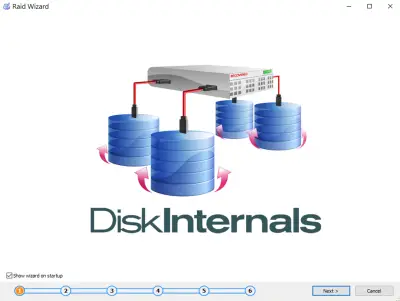
To start with, you need to remove the RAID drive(s) where the file(s) you want to recover is saved, then connect the drive(s) to your computer where the RAID recovery software – DiskInternals RAID Recovery – is installed.
2. Scan The Drive
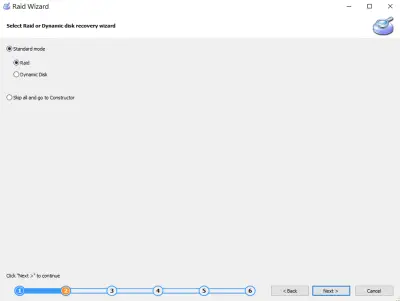
Launch the recovery app and select the RAID array for your inserted drive, then proceed with choosing a Scan Mode.
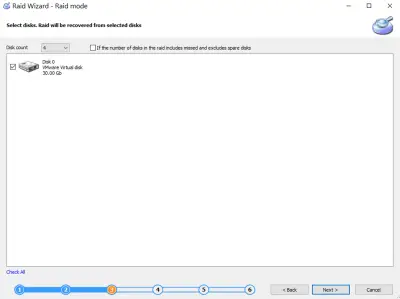
There are two modes available: Fast Scan and Full Recovery mode. Whichever you choose, DiskInternals RAID Recovery will check the status of your RAID array, controller, file system, and disks, then retrieve the deleted files.
3. Recover Lost Files From The RAID Drives
The retrieved files will be available as “Read-Only.” You can preview them to confirm that they are the files you want to recover. When you have confirmed, then you will need to upgrade to DiskInternals RAID Recovery Pro to complete the recovery.
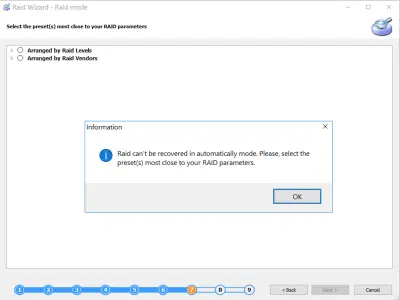
Repeats the steps to recover files from all of your connected RAID array disks. If you can’t recover your files using the DiskInternals app, you can request for Guided Repair Service to have a DiskInternals expert attempt the recovery in a more professional and manual way.
Comparison table for RAID Data Recovery Software 2026
| Product | Pros | Cons |
| 1. DiskInternals RAID Recovery | All types of recovery, lets you mount and access virtual drives via File Explorer as though they are local disks | It only runs on Windows OS systems |
| 2. ReclaiMe RAID Recovery | Compatible with multiple RAID types | You may need to use another compatible data recovery software to complete the RAID data recovery process |
| 3. Stellar Data Recovery Technician | Rebuilds probable RAIDs even when the parameters are not known | Cannot recover data from RAID 1 to RAID 10 drives |
| 4. Get Data Back RAID Reconstructor | Offers an intuitive interface that simplifies the recovery process | The software can be expensive compared to some other data recovery options |
| 5. EaseUS RAID Data Recovery | Available for Windows OS and macOS platforms | Some recovered files may be broken – not usable |
| 6. R-Studio Technician | Available for Windows, Mac, and Linux | Aimed more at IT professionals, it may not provide the kind of direct support or guidance that a non-technical user might require |
| 7. Zero Assumption Recovery | Integrates multiple RAID data recovery features | No longer active – discontinued by the developer |
Review RAID Recovery Software [Free Trial Version]
These are the best-recommended software apps to use when trying to retrieve lost files from any type of RAID disk:
1. DiskInternals RAID Recovery
The DiskInternals Free RAID Recovery software app is designed for all PC users, thanks to the super-easy-to-understand interface and many handy features to help recover all your lost data. This free RAID recovery software solution can run on any Windows OS PC and supports all DiskInternals Partition Recovery software features. There’s a built-in Recovery Wizard to guide users on how to use this app to recover their lost data.
DiskInternals RAID Recovery will recover your lost data from any RAID array type, from RAID 0 to 6, as well as from damaged RAID controllers. It effectively reconstructs RAID arrays and recognizes your RAID configuration with ease. Regardless of whether the RAID disks are connected to a controller or a motherboard with RAID support, you may retrieve your files from RAID arrays with DiskInternals RAID Recovery.
Pros:
- Easy RAID data recovery from software and hardware-based RAIDs
- Supports Microsoft’s Dynamic Disks, JBOD, RAID 0, 1, and all other RAID arrays
- Lets you mount and access virtual drives via File Explorer as though they are local disks
- Automatically detects disk arrays
- Integrates all DiskInternals Partition Recovery features
- Restores data from Apple, Linux, NAS, and UNIX RAIDs.
Cons:
- It only runs on Windows OS systems
- Does not support bootable and disk image recovery.
Note: learn more about Buffalo NAS recovery!
2. ReclaiMe RAID Recovery
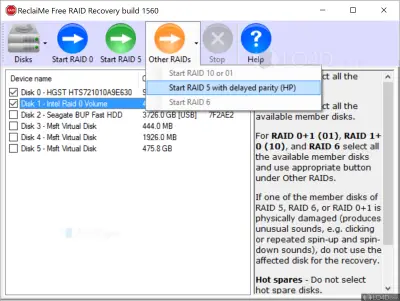
One of the reasons to go with this RAID recovery solution is that it is completely free to use and does not contain any adware or spyware. The interface is quite easy to use – even for a novice computer operator – and there are a number of handy features to flex. ReclaiMe RAID Recovery stands out in recovering data from RAID 0, RAID 5, RAID 10, RAID 6, and RAID 5E.
With the ReclaiMe, you can recover RAID configuration parameters like disk order, block size, and start offset. Furthermore, this software solution works for hardware, software, and NAS (QNAP, NETGEAR, Synology, and Buffalo) RAID disk sets. However, you can’t use this software for file-by-file recovery.
Pros:
- Intuitive and simple interface
- Compatible with multiple RAID types
- Supports NAS devices such as QNAP, Buffalo, NETGEAR, and Synology.
Cons:
- You may need to use another compatible data recovery software to complete the RAID data recovery process
- No support for Linux and macOS systems.
3. Stellar Data Recovery Technician
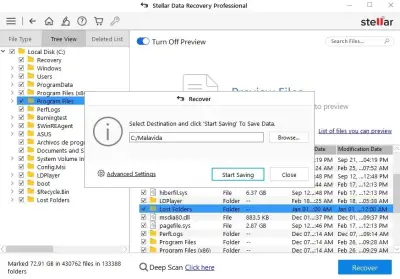
The Stellar Data Recovery Technician software is a comprehensive tool that helps users to recover various file formats from their RAID drives. It can access and retrieve files from formatted RAID logical volumes and create bootable USB media for data recovery from a crashed system. This software program is designed for Windows OS users, and it runs Windows 7, 8, 8.1, 10, & 11.
Stellar Data Recovery Technician supports NTFS, FAT, and exFAT file systems and can recover data from any RAID array type. Furthermore, this recovery program works to recover lost files from hardware and software RAIDs. It is simply an advanced RAID recovery solution with a ton of decent features and built-in tools.
Pros:
- Recovers files from NAS-formatted RAID drives
- Fast and easy to use
- Rebuilds probable RAIDs even when the parameters are not known
- Supports RAID partition recovery.
Cons:
- Cannot recover data from RAID 1 to RAID 10 drives
- Only available on Windows OS.
4. Get Data Back RAID Reconstructor
Get Data Back RAID Reconstructor is a specialized data recovery tool designed for reconstructing and recovering data from RAID arrays, with its main pros being its effectiveness in handling various RAID configurations and ease of use, while its cons include a potentially steep learning curve for novices and a lack of support for some newer RAID technologies.
Pros:
- Effective RAID Recovery: It excels in reconstructing and recovering data from various RAID levels.
- User-Friendly Interface: The software offers an intuitive interface that simplifies the recovery process.
- Advanced Recovery Options: Provides detailed options for more technical users to maximize recovery potential.
Cons:
- Steep Learning Curve: Can be challenging for users unfamiliar with RAID systems and data recovery processes.
- Limited Support for Newer RAID Technologies: May not support some of the latest RAID configurations and technologies.
- Cost: The software can be expensive compared to some other data recovery options.
- No Mac or Linux Version: Primarily designed for Windows, limiting its use for Mac or Linux users.
- No Hardware RAID Support: It might not support recovery from hardware RAID setups, focusing more on software RAID.
5. EaseUS RAID Data Recovery
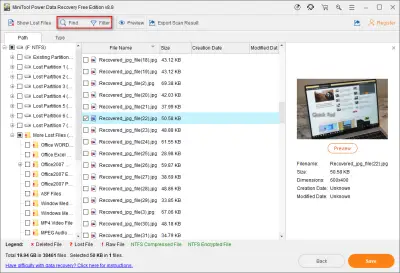
Here is a RAID data recovery solution you can run on Windows and macOS computers. The EaseUS RAID Data Recovery software is a “one of a kind” tool for recovering all you’ve lost from your RAID drives. It features a built-in Wizard interface that guides the users through the recovery steps seamlessly.
With the EaseUS RAID Data Recovery app, you can retrieve your lost files from multiple RAID levels and failed RAID drives. This software can recover files from RAID 0, RAID 1, RAID 5, or RAID 10 arrays. Furthermore, this software supports all known file system formats.
Pros:
- Available for Windows OS and macOS platforms
- Intuitive and easy to use with a built-in Wizard
- Recovers data from a variety of RAID array types
- Recovery is done at a decent speed.
Cons:
- Some recovered files may be broken – not usable
6. R-Studio Technician
R-Studio Technician is a comprehensive data recovery tool aimed at professionals, offering advanced features for recovering data from various types of storage media and file systems, including RAID arrays.
Pros:
- Versatile RAID Reconstruction: Capable of reconstructing complex RAID setups, which is beneficial for recovering data from damaged or corrupted RAID arrays.
- Network Recovery Support: Allows for data recovery over a network, which is useful for working with remote systems or servers.
Cons:
- Complex Interface: Its feature-rich interface can be overwhelming for inexperienced users.
- Cost: As a professional-grade tool, it is relatively expensive.
- Limited Guidance for Novices: The software assumes a level of expertise in data recovery, which might not be suitable for beginners.
- Resource Intensive: May require a significant amount of system resources to operate efficiently, particularly for large-scale recoveries.
- No Direct Customer Support for Non-Technical Users: Aimed more at IT professionals, it may not provide the kind of direct support or guidance that a non-technical user might require.
7. Zero Assumption Recovery
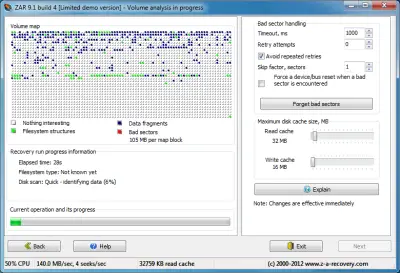
The Zero Assumption Recovery tool is a piece of utility that allows users to get back the files and data they lost from RAID drives, regardless of the RAID array configuration. However, this software has been discontinued by the developer after being active for about twenty years. The ZAR software is replaced by Klennet Recovery, another impressive tool for all kinds of data recovery needs.
Pros:
- Free to download and use
- Integrates multiple RAID data recovery features
- Simple to understand interface
- Supports NAS data recovery.
Cons:
- No longer active – discontinued by the developer.
How we tested the best data recovery software
- 1. Performance. A common issue with many of these recovery programs' rescue functions is that they only support a few different file formats. When a recovery application supports the restoration of a wide range of file formats, you may safely recover deleted pictures, videos, audio files, and other file types. Another unhappy discovery is that the bulk of your products do not support file recovery from external storage devices like external HDDs or USB flash drives. This is really unpleasant because the bulk of data loss today happens on external or portable storage devices.
- 2. Speed. Nobody has enough time in this day and age. The scanning and recovery processes cannot be expected to take an entire day to complete before users can access something important. Most efficient data recovery software packages include options for fast scanning. Some even provide customized scanning while concentrating on the recovery of a specific file.
- 3. Preview. The ability to preview already-identified files is a crucial feature. The recovered files must also be in the same quality as they were originally.
- 4. User-Friendly. Having the finest data recovery program in the world is useless if only the creator can use it. Any software must have a straightforward user interface and be simple to use. Many recovery solutions have bright icons and ostensibly advanced functions that are actually fairly pointless. Most of the time, all the end user really needs is a clearly defined interface that works.
Common Causes of RAID Failure
Quite a lot of actions can cause RAID disk failure, but the most common causes are listed below:
- Multiple disk failures due to bad sectors or malware
- Power surges
- Incorrect configurations
- Partitions losses
- Wrong replacement drives
- RAID controller problems
- Power surges.
Summary
This article clearly reviews the best free and professional software solutions to use for RAID data recovery, as well as highlights much important information you need to know about RAID storage technology and application.
FAQ
-
There are pretty many scenarios that can lead to data loss on RAID array disk; the most common scenarios are discussed below.
- User Mistakes,
- Physical damage,
- Formatting Gone Wrong,
- Overwriting Existing Data.
-
These are the best-recommended software apps to use when trying to retrieve lost files from any type of RAID disk:
- 1. DiskInternals RAID Recovery
- 2. ReclaiMe RAID Recovery
- 3. Stellar Data Recovery Technician
- 4. EaseUS RAID Data Recovery
- 5. Zero Assumption Recovery
-
When selecting your RAID levels, you should take into account five key factors. These include cost-effectiveness, data redundancy, performance, rebuild factor, and storage efficiency.
-
On the Internet, there are a lot of free software programs for data recovery. Some items are offered as freeware, while others provide tool assessment through free trial downloads. The top 5 data recovery tools of 2023 have been compiled in a list that is available for free download and testing:
- 1. DiskInternals RAID Recovery
- 2. ReclaiMe RAID Recovery
- 3. Stellar Data Recovery Technician
- 4. EaseUS RAID Data Recovery
- 5. Zero Assumption Recovery
-
Using RAID Recovery you can restore your data from RAID 5, regardless of loss reason. If you have encountered problems with RAID-5 recovery, you can restore data with RAID Recovery by DiskInternals. This software will be able to save the information and transfer it to a new location.
-
Hereunder are steps to how you can recover files from your RAID drives using a professional RAID Recovery software.
1. Connect One of The RAID Drives To Your Computer
2. Scan The Drive
3. Recover Lost Files From The RAID Drives
-
Free file recovery software isn't working. The greatest program guarantees data recovery. DiskInternals Partition Recovery has many optional complex features, it is also simple to use. It can recover files from hard drives, external drives (USB drives, etc.), BD/DVD/CD discs, and memory cards for free. Use totally free preview option to recover your data. Purchase license in case if you are satisfied with the result.
-
Bootable RAID recovery software is a specialized tool designed to recover data from a RAID array without the need for the host operating system to be running. It is particularly useful in situations where the operating system is unbootable, or when you need to recover data from a failed RAID array without risking further data loss by operating within the potentially compromised system environment.
Step-by-Step Functionality:
Creating a Bootable Environment:
- The software is typically provided as an ISO file that you can burn to a CD, DVD, or USB flash drive.
- When you boot from this media, the software initializes its own operating environment independently of your OS, often based on a lightweight version of Linux or another minimal OS.
Accessing the RAID Array:
- Once booted, the software can directly access the RAID controllers and the disks in the array, bypassing any damaged or problematic OS-related issues.
- The software usually has built-in drivers and tools to interact with various RAID controllers and configurations, making it versatile across different hardware setups.
Scanning and Analysis:
- The software scans the RAID array to identify its configuration and to locate existing, deleted, or damaged data structures.
- It can often reconstruct the RAID parameters if the RAID metadata is corrupted or lost.
Data Recovery:
- After identifying the files and structures, the software allows you to recover and copy them to another storage location, such as an external hard drive.
- The recovery process aims to extract data without altering the original RAID setup, preserving as much data integrity as possible.
Usability and Precautions:
- Bootable RAID recovery software typically features a user-friendly interface that guides you through the recovery process.
- It's crucial to recover data to a different storage device to avoid overwriting data on the original array.
Related articles
- Configure RAID on Ubuntu – Step-by-Step Guide for RAID 0, 1, 5, and 10
- RAID 10 with 8 Disks — Configuration, Performance, Rebuilds & Best Practices
- Encrypting RAID Arrays — RAID with Full Disk Encryption & Secure Setup
- Effective Btrfs File Recovery: Complete Guide to Btrfs Data Recovery
- Best RAID Data Recovery Software for Linux
- Recover Data from RAID 5 on mdadm (Linux)
- ZFS RAID Setup Guide: Configuration, Management & Expansion
- A Comprehensive Review of RAID Recovery Software: Choosing the Right Tool
- DiskInternals RAID Recovery vs ReclaiMe: Comprehensive RAID Recovery Solutions Compared
- DiskInternals RAID Recovery vs EaseUS Data Recovery Wizard | Comprehensive Comparison
- How to Rebuild RAID 5 Without Losing Your Data
- RAID 1 Recovery: all you can do yourself
- RAID 10 Recovery
- RAID 5 Data Recovery Step by Step
- RAID 6 Data Recovery
- RAID 0, 1, 3, 5, 10 data recovery software for Windows 10
- RAID Recovery Services
- The Truth about Recovering RAID 5 with 2 Failed Disks
- RAID 4 Data Recovery: How to Perform It⠀
- RAID 0 vs RAID 1: Performance, Redundancy & Use Cases
- RAID 5 vs RAID 10 comparison: Which one is better for you?⠀
- SSD benefits for RAID array
- How to set up RAID in Windows 10 in 2025
- RAID 5 VS RAID 6 - advantages and disadvantages
- RAID 0 failure - How to Fix Failed Raid 0 Array
- The best NAS RAID: how to choose⠀
- HDD Raid Vs SSD Raid Storage Systems - How to move⠀
- Benefits of RAID arrays - what are the advantages of RAID?⠀
- NAS vs External Hard Drive: Comprehensive Guide to Choosing the Best Data Storage Solution
- RAID-1 vs RAID-5: Performance, Cost, and Data Protection Compared
- RAID 3 vs RAID 5: which one would you prefer?
- RAID 10 vs RAID 01: Is There Any Difference?
- RAID vs JBOD: performance and cost comparison⠀
- What are RAID 01, RAID 1+0 and RAID 0+1⠀
- Mdadm RAID 1 not activating a spare disk Linux⠀
- NAS vs SAN storage - Detailed Comparison⠀
- Perform RAID 50 Data Recovery Today!
- Basic Disks vs Dynamic: What is the Difference
- What to do if RAID array doesn't reassemble after reboot
- RAID levels 0, 1, 5, 6, and 10
- Minimum disks for RAID 10⠀
- RAID Consistency Check: Ensure Data Integrity & Recover Lost Data
- What Is a Hot Spare? Peculiarities of Usage
- Global Hot Spare vs Dedicated Hot Spare: Find the Difference
- Differences Between Software RAID and Hardware RAID
- What Are Some Common Symptoms of RAID Array Failures?⠀
- RAID status degraded - fix it⠀
- How to check RAID status? 4 different methods!
- RAID 50 vs RAID 10 - What is the difference
- RAID Array Growing: How to Perform It
- How to downsize hardware RAID partition and protect data
- How To Create RAID Arrays with mdadm on Ubuntu (22.04)
- How About RAID 1 Reliability?
- What is RAID-Z? Its Difference Between RAID-Z2 vs RAID-Z3
- Can RAID array have snapshots?
- RAID Array Metadata: What Is Inside?
- RAID 6: Replace Two Dead Drives
- Do You Need to Defragment RAID?
- How to Recover RAID partition - step by step guide⠀
- RAID 5: How Big Should an Array Be?
- Does chunk size influence the speed of RAID?
- RAID 0, 5, 6, 10 Performance
- How Does RAID 5 on Windows 10 Work?
- RAID Configuration Explained: Types, Setup, and Best Practices
- What is FakeRAID?
- Which RAID is Better to Use for 4 Drives
- What Is RAID Redundancy? | RAID Redundancy Explained for Data Protection
- RAID Array for Video Editing: How to Choose
- Perform Hyper-V Data Recovery Today
- How to Install Hyper-V in Your Environment in 2025
- Hyper-V Manager - what is it?⠀
- Hyper-V: Generation 1 vs Generation 2
- Hyper-V Live Migration - what is it?⠀
- Hyper-V Snapshot Merge
- Hyper-V Virtual Machine Replication⠀
- About Hyper-V clusters
- Difference Between Type 1 and Type 2 Hypervisor?⠀
- Hyper-V Server Core installation vs GUI - let's compare⠀
- How to Run Linux on a Hyper-V VM in 2025
- Back up Active Directory Guide - Step-by-step Instructions⠀
- What is nutanix ahv?⠀
- What is System Center Virtual Machine Manager⠀
- Make Sure Your Data is Safe While Using Microsoft Storage
- What is Microsoft SQL Server and How Can You Use it Safely?
- Set Up and Use Microsoft SQL Server Management Studio
- Microsoft SQL Server Express Guide
- Use Microsoft Windows Server Safely
- What to do if you get Microsoft SQL Server error 18456?
- Microsoft Storage Spaces
- Xserve RAID data safety
- Apple RAID Card Data Recovery
- Guide: Linux Raid and Disk Data Safety
- Here is Everything You Need to Know About RAID-Z Technology
- What is JBOD?
- Btrfs vs. EXT4: A Comprehensive Comparison of File Systems in Linux (2025)
- RAID Redundancy - best performance solutions⠀
- Is it worth using RAID 5E/5EE?
- Let's compare: Synology vs QNAP
- Here is How to Backup RAID in 2025
- No hard drive detected or disk controller not supported in RAID
- Issue with the RAID after the BIOS update
- Using SSD in RAID Array
- Synology RAID Set That Is Broken or Crashed? RAID data recovery
- Here is How to add drive to RAID 5 in 2025
- ZFS Recovery software - How to recover deleted ZFS files
- Raid Recovery Qnap⠀
- RAID recovery software for Mac⠀
- Best NAS hard drive recovery in 2026 | Top RAID network-attached storage Hard Drives
- SQL Server Database in Recovery Pending - How to fix it (2025)
- RAID Hard Disk Data Recovery Software (2025)
- How to Recover RAID Array Configuration
- How to Rebuild RAID Without Losing Data
- How to rebuild RAID 1 without losing data
- How to Rebuild RAID 0 Without Losing Data
- Difference and Comparison - RAID 1 and RAID 2
- Difference between RAID 2 and RAID 3
- Difference between RAID 3 and RAID 4
- Difference between RAID 4 and RAID 5
- Buffalo Data Recovery
- Rapid RAID Recovery Software
- What is Synology Hybrid RAID (SHR). How to Recover Data from Synology Hybrid RAID
- RAID Server Data Recovery
- Recover Data from RAID on Linux
- RAID Foreign Disk: Causes, Solutions, and Best Practices
- How to Recover RAID Crash Data
- Forensic RAID Recovery
- RAID Data Recovery evaluation. What is RAID data recovery?
- Raid Drive Array Recovery
- How to Setup Raid 0 Windows 10 (11)?
- How to set up RAID 1 on Windows 10 and Linux
- How Many Disks Can Fail in RAID 5?
- What is RAID 5? Overview and Key Functions
- What Is a RAID Controller and What Are the Benefits of It?
- Recover Data from Broken/Failed RAID Set
- How to Clone RAID 0, 1, 5 Disk
- How to Remove software RAID device using mdadm
- Raid Rebuild Vs. Raid Recovery
- RAID vs. backup - differences and benefits (RAID is not a Backup)
- How to Rebuild RAID array
- What is Synology Hybrid RAID? What is the difference between SHR and RAID Drives?
- AHCI vs. RAID: Pros, Cons & Differences
- Recover Data from RAID 1 on mdadm (Linux)
- Difference & Comparison: RAID vs. non-RAID System
- Ultimate Guide to RAID Data Recovery: Tips & Techniques
- RAID Rebuild Time: What is and How to Optimize It?
- RAID Disaster Data Recovery: Techniques and Strategies for Handling Catastrophic Events
- How to Repair a Failed RAID?
- How to Set Up RAID in Windows 11: A Step-by-Step Guide
- RAID 50 vs. RAID 60 – Key Differences
- Guide to Recovering a Failed RAID Array | Step-by-Step Recovery Process
- HDD RAID vs SSD RAID and Combining Both: Everything You Need to Know
- How to Set Up and Configure RAID 10: Step-by-Step Guide
- What Is RAID 6? Definition, function
- RAID 10 vs RAID 6: Which Better?
- RAID 0: How Many Drives Are Needed?
- RAID 10: How Many Disks Are Needed and How to Set It Up
- How to recover data from a corrupted RAID?
- What is RAID 1? RAID Mirroring
- Recovering RAID 5 After Controller Failure
- NTFS RAID Recovery: Comprehensive Guide to Data Retrieval
- What is Xserve RAID? Comprehensive Guide and Overview
- Comprehensive Guide to RAID in Cyber Security: Levels, Recovery, and Best Practices
- Complete Guide to RAID Controller Failure and Recovery: Expert Tips
- Understanding Hardware RAID: Comprehensive Guide to RAID Levels and Benefits
- What is software RAID? - Comprehensive Guide
- Understanding RAID 0: Benefits, Risks, and Applications
- RAID 3 Explained: Benefits, Limitations, and Data Recovery Guide
- How Many Drives Are Needed for RAID 5? Minimum & Maximum Explained
- Understanding RAID 60: Architecture, Advantages, and Data Recovery
- Understanding RAID Striping: A Comprehensive Guide to Disk Striping and Its Variants
- RAID 10: How Many Drives Can Fail? | Comprehensive Guide to Failure Tolerance
- ZFS vs Btrfs vs RAID: Comprehensive Storage Comparison for Performance, Reliability, and Scalability
- How to Resize RAID Partitions: Step-by-Step Guide for RAID 1, 5, 6 & 10
- Comprehensive Guide to ZFS RAID Levels, Types, and Configurations
- ZFS vs RAID: Comprehensive Comparison of Performance, Reliability, and Features
- RAID 1 Minimum Drive Requirement: How Many Drives Do You Need?
- Bootable RAID Recovery Software: Complete Guide for RAID 0, 1, 5, 10 Recovery
- RAID Hard Drives Explained: What Is RAID for HDDs and External Drives
- RAID 5 Rebuild Failure Probability: Risks, Factors, and Solutions in 2025
- Understanding RAID 6 Performance: A Comprehensive Guide
- RAID Drives Explained: Learn How RAID Storage Enhances Performance
- HP RAID Recovery Tool | How to Recover Data with DiskInternals RAID Recovery Software
- Recovering Data from RAID Drives: Step-by-Step Guide to RAID Recovery
- Recover Striped RAID: Professional RAID 0 Data Recovery with DiskInternals RAID Recovery™
- BTRFS Restore File: How to Undelete Files and Restore Deleted Data Easily
- Recover Data from a RAID Array: Effective Solutions for Fast and Secure Data Retrieval
- Windows 7 RAID Recovery: How to Recover Data from RAID 1, RAID 5, and RAID 10 Arrays
- Adaptec RAID Recovery: Restore Data from Failed Arrays with DiskInternals RAID Recovery™
- What is RAID Data Recovery? | Recover RAID Arrays with RAID Recovery Software
- SAN RAID Data Recovery: Recover RAID Arrays with Professional SAN Recovery Solutions
- What is a RAID Volume? Understanding RAID Volumes and Recovery Solutions
- What is a RAID? RAID Systems Explained & How to Recover RAID Arrays with Professional Tools
- Best RAID Software for Mac | Top Free & Paid RAID Tools for macOS 2026
- Top 10 RAID Recovery Services: Best Solutions for Data Recovery
- RAID Server Data Recovery: Recover and Restore RAID Arrays Fast with Professional Tools
- RAID System Recovery: Essential Steps & Best Software for Safe Data and File Restoration
- RAID Recovery Volume: Effective RAID Array Recovery Solutions for Data Loss Prevention
- What is RAID Connectivity? Essential Guide to RAID Array Setup
- Intel RAID 0 Recovery & RAID 1 Recovery: Solutions for Data Loss & Recovery Tools
- How Many Drives for RAID 6?
- Optimize RAID for Redundancy and Performance - Expert Guide
- How to Read RAID Drives & Recover RAID Arrays on Windows: A Guide
- RAID 0 vs RAID 5: Speed, Performance & Key Differences (2026)
- Synology RAID 5 Recovery: Recover Your RAID Array with Expert Tools and Tips
- Synology RAID 1 Recovery: Recover RAID Array with Trusted Tools and Expert Solutions
- X-RAID Recovery: Expert Guide to Netgear X-RAID and ReadyNAS Data Recovery
- Interim Recovery RAID 5: Expert Guide to Data Recovery and RAID Array Repair
- MDADM RAID 0 Recovery: Expert Guide to Fix and Recover Your RAID Array
- SCSI RAID Recovery Software: Effective Solutions for SCSI RAID Data Recovery
- RAID Data Recovery for Deleted Arrays: Recover RAID Array Safely & Effectively
- What is RAID in Linux? Learn About Software RAID & Recover RAID Arrays Easily
- Change log for RAID Recovery™
- Intel Matrix RAID Recovery: Restore RAID 0, 1, 5, 10 with Reliable Solutions
- RAID Level 4: What Is RAID 4, How It Works
- RAID Restorer – Recover Data from Failed RAID Arrays with Reliable Software
- ZFS RAID with Different Size Drives – Setup, Limitations, and Best Practices
- RAID 0, 1, 5, 10 Explained: Performance, Redundancy & Best RAID Configurations
- How to Recover Data from a Broken RAID 1 Set – Step-by-Step Guide
- ZFS RAID Expansion: How to Expand RAIDZ and ZFS Pools Safely
- RAID 6 Drive Failure Tolerance: How Many Drives Can Fail?
- RAID 50: Drive Failure Tolerance and Data Recovery Solutions
- Windows Storage Spaces vs RAID: Performance, Speed, and Data Protection Comparison
- RAID 2 Array Explained: What Is RAID Level 2, Setup, and Performance Comparison
- RAID 5 RAID 6 RAID 10 - Key Differences and Performance Comparison
- RAID 5 with 3 Disks: Configuration, Benefits, and Performance Insights
- How to Create RAID 5 with 6 Disks: Complete Setup Guide and Performance Tips
- RAID 6 Double Parity Calculation Explained – Data Protection Insights
- How to Add a Disk to mdadm RAID 5: Step-by-Step Guide
- RAID 0 vs RAID 10 and RAID 10 vs RAID 0 Performance Comparison
- How to Fix Degraded RAID 1: Step-by-Step Guide to Restore RAID 1 Degraded Arrays
- RAID 5 vs RAID 0+1: Key Differences Explained
- Why RAID 1 Is Not a Good Substitute for a Backup
- How to Check Which RAID Is Configured: A Complete Guide for Windows and Linux
- RAID 50 vs. RAID 5 – Performance, Speed, and Data Protection Comparison
- RAID 50 vs. RAID 6 – Key Differences
- Configuring RAID 5: Step-by-Step Guide on How to Configure RAID 5 for Performance
- Cannot Format Old RAID Drive? Effective RAID Data Recovery Solutions
- RAID 6 with 5 Drives: Configuration, Performance, and Data Protection
- Best RAID for 6 Disks: Compare RAID 0, 5, 6, 10, 50 & 60 for Performance & Redundancy
- RAID 6 with 8 Drives: Configuration, Failures, and Performance Explained
- RAID 6 with 6 Drives: Performance, Redundancy, and Best Use Cases
- RAID 0 vs. JBOD – Key Differences, Performance, and Speed Comparison
- RAID Array Rebuild: How to Rebuild a RAID Array Safely and Recover Lost Data
- Recover Data from Old RAID Drives | Best Methods & Software for RAID Recovery
- RAID 5 with 5 Drives: Configuration, Performance & Recovery | RAID 5 5 Drives Guide
- 15 Best External Hard Drives for RAID in 2026
- Dell RAID 1 Recovery: How to Recover Data from RAID 1 on Dell Servers Safely
- Dell RAID 5 Recovery - Safely and Fast
- RAID 1E vs RAID 10: Performance, Capacity, Cost & Failure Risk Guide
- What Is RAID 1E? Performance RAID 10 1E vs RAID-1E Guide for Power Users
- RAID 1E vs RAID 5: Performance, Capacity and Failure Risk Compared
- RAID 1 Speeds: Read, Write & Disk Performance | Speed Up RAID 1 Guide
- Ext3 RAID Recovery Guide - Data Recovery RAID Ext3
- XFS RAID Recovery Guide & Best XFS RAID Recovery Software
- ASUS RAID Recovery Guide - Fix Failed ASUS RAID
- RAID Data Recovery Cost: Affordable Solutions for RAID 0, RAID 1, RAID 5, and RAID 10 Failures
- NAS as a File Server: NAS vs. File Server Comparison for Storage and Sharing
- QNAP RAID 5 Recovery Failed? Safe Data Recovery Steps for NAS Users
- ReiserFS RAID Recovery: How to Restore Data from Failed RAID Arrays
- RAID 0 vs RAID 1 vs RAID 5 vs RAID 10 — Performance, Capacity & Recovery
- ZFS Recovery Tools — Data Recovery ZFS Guide & Best Software
- RAID 1 vs RAID 5 vs RAID 10 Performance Management, Speed & Capacity Guide
- RAIDZ1 vs RAID 5 — Performance, Integrity & Recovery Comparison
- ZFS Mirror vs RAIDZ — Performance, Capacity & Recovery Guide
- ZFS Minimum Drives — How Many Disks You Need for RAIDZ1, RAIDZ2, RAIDZ3
- RAID Degraded — What to Do | Warning Fixes & Rebuild Failed Steps
- RAID 7 — What It Is? Origins, Risks & Recovery Options
- ZFS vs mdadm RAID — Why choose ZFS instead of RAID
- RAID in Cloud Storage Systems — SDS, Virtual RAID & Erasure Coding Guide
- Best RAID for OLTP: RAID Configuration for OLTP Workloads & Transactional Databases
- Best RAID for MySQL: RAID Configuration & RAID Setup for MySQL Databases
- Best RAID for NVMeoF: NVMe RAID Configuration & NVMe over Fabrics RAID Setup
- Is RAID 0 Worth It in 2026? Risk, Performance, SSD & NVMe Guidance
- Fault Tolerance in NVMe-oF RAID — Rebuild Time, Data Protection & Redundancy
- Best Practices for RAID over NVMe-oF — Tuning, Monitoring & DR
- RAID 0 vs Single Drive — SSD, NVMe & HDD Comparison (Performance vs Risk)
- RAID 0 vs Single Drive Reliability — Failure Risk, SSD Comparison & Recovery
- RAID 0 for Gaming — Is RAID 0 Good for Gaming? Performance & Risk Guide
- RAID 0 for 4K Editing — Is RAID 0 Good for 4K Video Editing?
- RAID 0 for Large File Workloads: Scratch Disks, NVMe, When It Makes Sense
- Is RAID 0 Obsolete? RAID 0 with SSD and NVMe — Still Worth It?
- RAID 0 vs. SSD Performance: PCIe 4.0, PCIe 5.0 Speed Compared
- RAID 0 Redundancy vs No Redundancy — Does RAID 0 Have Redundancy?
- Does RAID 0 Increase FPS? — RAID 0 vs Single Drive FPS Guide
- RAID 5 Interrupted Rebuild Recovery: Fix Stopped or Aborted Rebuilds
- RAID 0 Failure Probability with N Disks Explained
- RAID 5 Two-Disk Failure Recovery: Parity Recovery Beyond Tolerance
- RAID 1 Corrupted Mirror Recovery: How to Recover a Damaged RAID 1 Mirror
- When RAID 0 Is Acceptable: Use Cases, Risks, and When You Should Use RAID 0
- RAID Best Practices for VMware: Best RAID Configuration for VMware ESXi
- RAID 0 Backed by Versioned Backup: Is RAID 0 Safe with Versioned Backups?
- RAID 10 Best for VMware: Why RAID 10 Is the Recommended RAID for ESXi
- Best RAID Controller Guide: Hardware RAID Cards Compared for Servers and SSDs
- Best PCIe RAID Controller: Top Hardware PCI Express RAID Cards Compared
- RAID Controller for ESXi: VMware ESXi RAID Controller Recommendations
- RAID Controller for Linux: Best Linux-Compatible Hardware RAID Controllers
- SATA RAID Controller for ESXi: VMware ESXi Compatible SATA RAID Options
- SAS RAID Controller for VMware ESXi: Best Hardware RAID Options
- NAS Data Recovery Software & Tools for RAID Recovery
- Features
- RAID 0 Data Recovery
- RAID Reconstructor on Broken RAID Arrays
- RAID Recovery Software
- Hyper-V network adapters⠀
- Open Source RAID Recovery Software Explained and Comparison
- RAID 1: How Many Drives Are Needed for Data Redundancy?
- RAID 1 with 3 Drives: Everything You Need to Know
- RAID Calculator For Geeks – Estimate Usable Space & Drive Size
- RAID Calculator Online – Usable Space & Disk Size Calculator for RAID