
RAID Recovery Volume: Comprehensive Guide to Restoring RAID Arrays
Losing data from a RAID array can be a nightmare scenario for businesses and individuals alike. Whether due to hardware failure, software corruption, or accidental deletion, recovering your valuable data is paramount. This article explores the essentials of RAID volume recovery, providing insights into effective solutions for preventing data loss and recovering your RAID array. We'll delve into the world of RAID recovery software, examining its capabilities and how it can help you retrieve your critical information. Understanding the intricacies of RAID recovery is the first step towards safeguarding your data and ensuring business continuity.
Understanding RAID Volume and Common Failure Scenarios
The purpose of this section is to explain RAID structures and the typical issues that lead to data loss.
What is a RAID Volume?
What is a RAID? A RAID (Redundant Array of Independent Disks) volume combines multiple physical hard drives into a single logical unit. This offers several advantages, primarily data redundancy and improved performance. Different RAID configurations, known as levels, offer varying balances between these benefits. Here's a brief overview:
- RAID 0 (Striping): Data is split across multiple drives, increasing read/write speeds but offering no redundancy. A single drive failure results in complete data loss.
- RAID 1 (Mirroring): Data is mirrored across two drives, providing excellent redundancy. If one drive fails, the other contains a complete copy of the data.
- RAID 5 (Striping with Parity): Data is striped across three or more drives with parity information distributed across all drives. This allows for redundancy and improved performance. A single drive failure can be tolerated.
- RAID 6 (Striping with Double Parity): Similar to RAID 5, but with double parity, allowing for two drive failures without data loss.
- RAID 10 (Mirrored Striping): Combines RAID 0 and RAID 1, offering both speed and redundancy. Data is striped across mirrored pairs of drives.
RAID is crucial for businesses and individuals who require high availability and data protection.
Note: what is RAID hard drive?Common Causes of RAID Volume Failures
Several factors can contribute to RAID volume failures, leading to potential data loss:
- Hardware Malfunction: Hard drive failures are a common occurrence. In RAID configurations without sufficient redundancy, a single drive failure can lead to data loss.
- Software Corruption: Operating system errors, file system corruption, or issues with RAID management software can compromise the integrity of the RAID volume.
- RAID Controller Issues: The RAID controller manages the array. A faulty controller can lead to data inaccessibility or complete failure.
- Human Error: Accidental deletion of data, improper configuration of the RAID array, or physical damage to drives due to mishandling can cause data loss.
- Natural Disasters: Events like floods, fires, or power surges can damage the hardware components of a RAID system, resulting in data loss.
Methods to Recover RAID Arrays
This section guides users on available RAID recovery methods and when to consider each.
Steps to Take Immediately After RAID Failure
When a RAID failure occurs, swift and correct action is crucial to maximizing the chances of successful data recovery. Here are some essential do's and don'ts:
- Do: Power down the system immediately to prevent further damage or data loss.
- Don't: Attempt to rebuild RAID array or reinitialize the drives. This can overwrite existing data and make recovery more difficult.
- Do: Document any error messages or unusual behavior observed before the failure. This information can be helpful for troubleshooting and recovery.
- Don't: Panic. While data loss is a serious issue, there are effective recovery methods available.
Powering down the system is paramount to prevent further data corruption. Any attempts to write new data to the affected drives can overwrite existing information, making recovery more challenging.
Using RAID Recovery Software for Initial Recovery Attempts
Software-based RAID recovery is often the first and best approach to retrieving lost data. It's non-invasive and can be significantly more cost-effective than professional physical recovery services. DiskInternals RAID Recovery™ is one such solution designed to handle various RAID levels and failure scenarios.
Benefits of using software like DiskInternals RAID Recovery™ include:
- Non-destructive recovery: The software reads data from the drives without writing any new information, preserving the original data.
- Support for various RAID levels: Software solutions often support a wide range of RAID configurations, increasing their versatility.
- Preview capabilities: Many tools allow you to preview recoverable files before purchasing the software, ensuring you can see what data can be retrieved.
It's highly recommended to test the free trial or preview functionality of RAID recovery software before committing to a purchase. This allows you to assess the software's compatibility with your RAID configuration and determine its effectiveness in recovering your specific data.
Physical RAID Recovery: When to Seek Professional Help
While software recovery is often successful, certain situations necessitate professional physical recovery services. These include:
- Severe hardware damage: Physical damage to the hard drives, such as head crashes or platter damage, requires specialized equipment and expertise.
- Complex RAID setups: Highly complex or customized RAID configurations may require professional intervention for successful data retrieval.
- Unsuccessful software recovery attempts: If software-based recovery fails to retrieve the necessary data, professional services may be the only remaining option.
Professional physical RAID recovery should be considered a last resort after exhausting software-based recovery attempts. While more expensive, it offers the best chance of recovering data in complex or severe failure scenarios.
Choosing the Right RAID Recovery Software
Selecting the appropriate RAID recovery software is crucial for a successful recovery process. This section compares available options and highlights key features to consider.
DiskInternals RAID Recovery™: Key Features and Benefits
DiskInternals RAID Recovery™ is a powerful software solution designed for recovering data from RAID drives. Its key features and benefits include:
- Wide RAID Level Support: DiskInternals RAID Recovery™ boasts compatibility with a broad spectrum of RAID levels, encompassing RAID 0, 1, 5, 6, 10, and various nested RAID configurations. This extensive support ensures that users with different RAID setups can effectively utilize the software for data recovery.
- Automatic RAID Parameter Detection: One of the standout features is the software's ability to automatically detect RAID parameters. This intelligent capability simplifies the recovery process significantly, especially for users who may not be familiar with the technical intricacies of their RAID configuration. It eliminates the need for manual input of complex parameters, reducing the risk of errors and streamlining the recovery workflow.
- Deep Scan Capabilities: DiskInternals RAID Recovery™ employs sophisticated deep scan algorithms that delve into the storage media to recover data even in challenging data loss scenarios. This is particularly beneficial in cases of severe corruption, accidental deletion, or formatting. The deep scan meticulously analyzes the drive sectors to locate and recover lost files and folders.
- Preview Functionality: Before committing to a purchase, users can leverage the preview functionality to assess the software's effectiveness. This feature allows users to preview recoverable files, providing a clear picture of the potential data that can be retrieved. This transparency empowers users to make informed decisions about purchasing the software.
- User-Friendly Interface: The software is designed with a user-friendly interface that prioritizes ease of use. Even users with limited technical expertise can navigate the software and initiate the recovery process with confidence. The intuitive layout and clear instructions guide users through each step, simplifying what can often be a complex task.
- Comprehensive File System Support: DiskInternals RAID Recovery™ supports a wide array of file systems, including common formats like NTFS, FAT (FAT16, FAT32), exFAT, EXT (EXT2, EXT3, EXT4), HFS+, and ReFS. This broad compatibility ensures that users with different operating systems and storage formats can effectively utilize the software for data recovery. It also enhances the software's versatility in handling diverse data recovery scenarios.
- Create Disk Image for Safe Recovery: This feature allows users to create a complete image of the RAID, which can then be used for recovery. This is particularly useful when dealing with failing drives, as it minimizes the risk of further data loss during the recovery process. Working with a disk image also allows for repeated recovery attempts without putting the original drives at further risk.
- Hex Viewer for Advanced Analysis: For advanced users, a built-in hex viewer provides a low-level view of the data, allowing for detailed analysis and troubleshooting. This feature can be invaluable in complex recovery scenarios where manual intervention or deeper inspection of the data is required.
Step-by-Step Guide to Recovering RAID Volumes Using DiskInternals RAID Recovery™
This section provides a practical guide on using DiskInternals RAID Recovery™ for RAID data recovery.
Installing and Setting Up DiskInternals RAID Recovery™
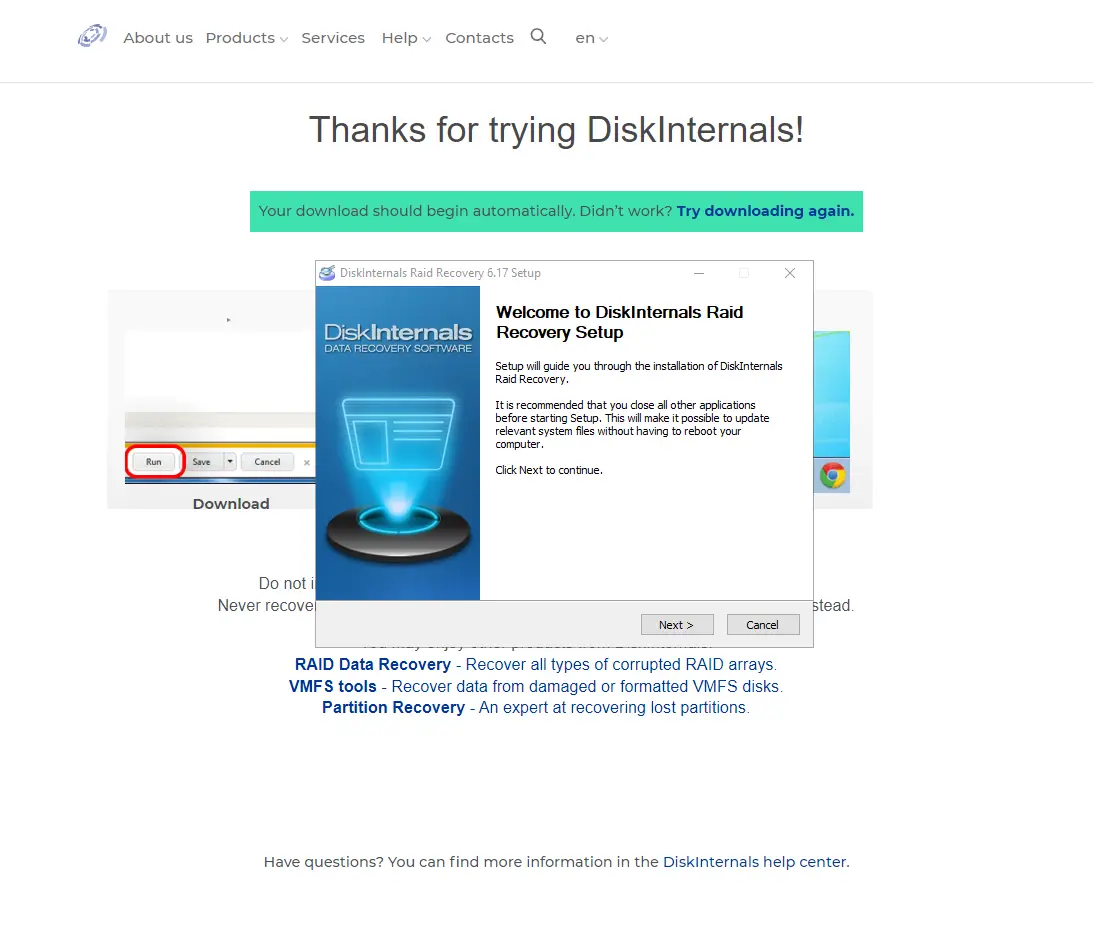
- 1. Download: Download the DiskInternals RAID Recovery™ installer.
- 2. Installation: Run the downloaded installer and follow the on-screen instructions to install the software on your system. Choose the installation location and any desired options.
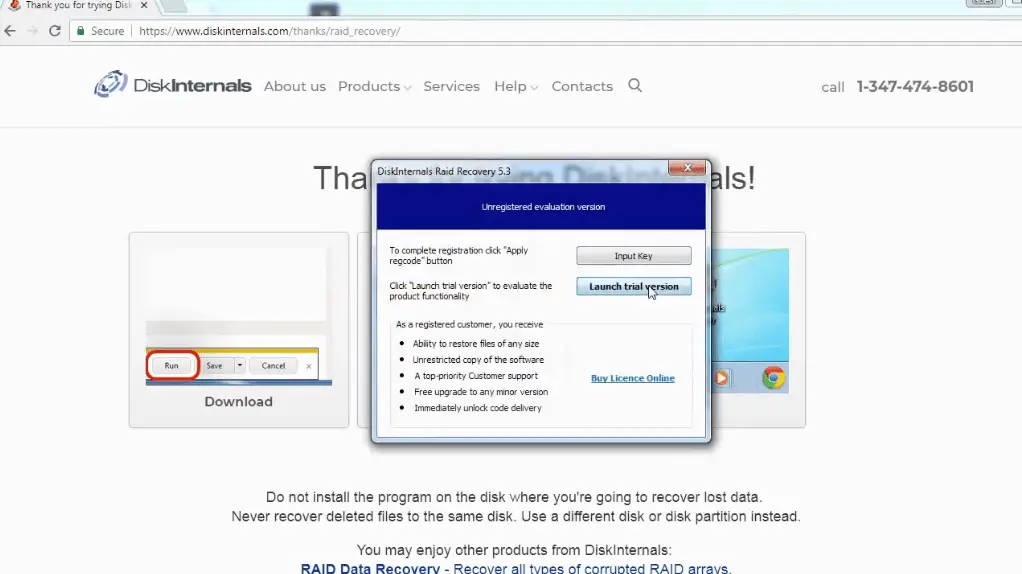
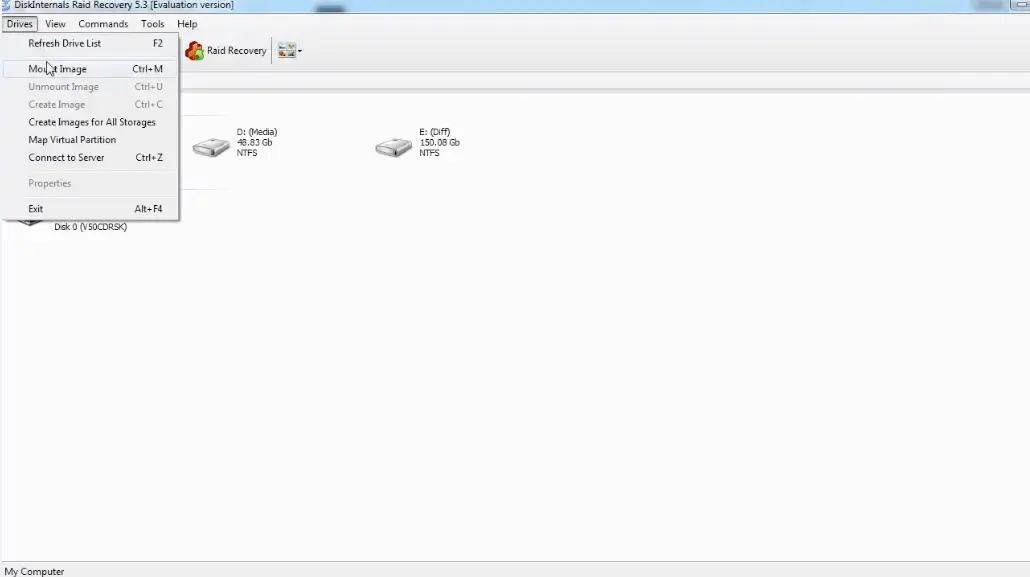
- 3. Launch: After installation, launch DiskInternals RAID Recovery™. You should be greeted with the main interface, ready to begin the recovery process.
Scanning and Recovering Files from a RAID Volume
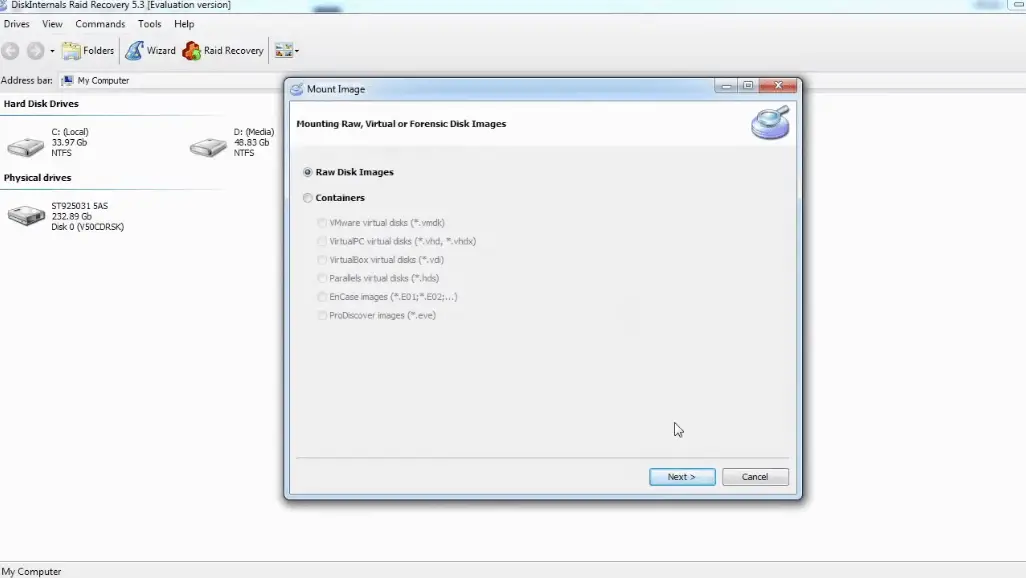
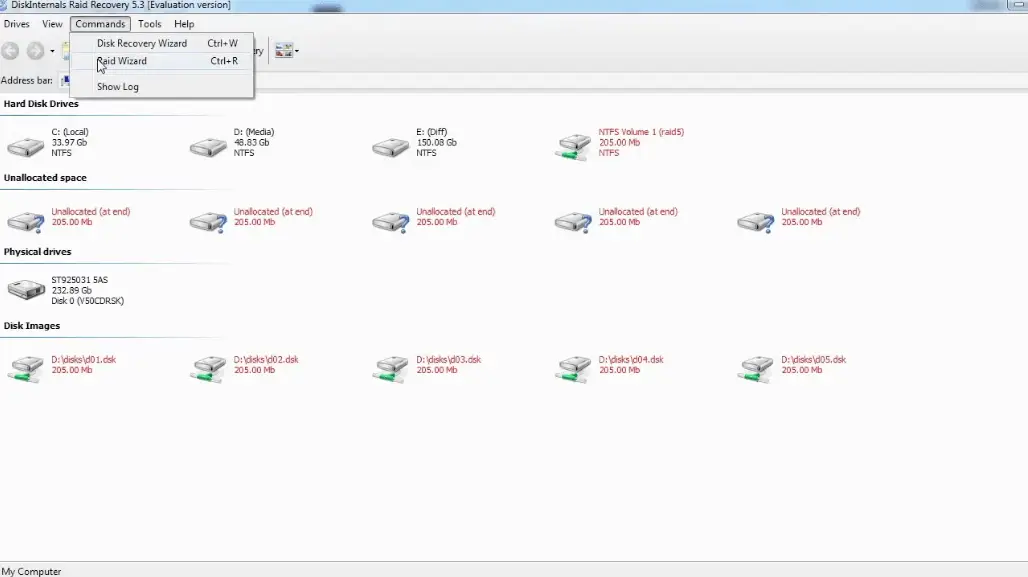
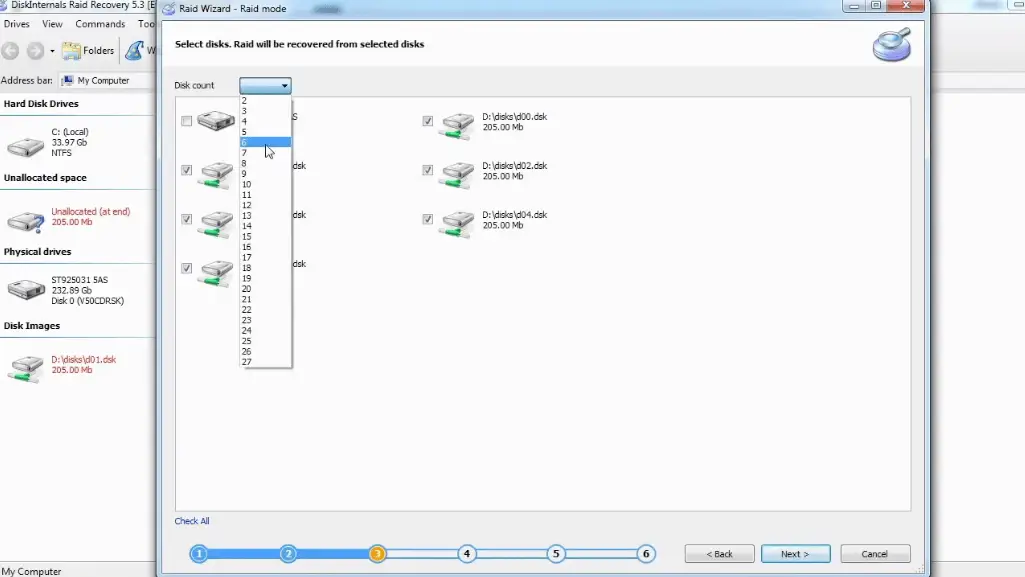
- 4. Select RAID Type: Choose the appropriate RAID level that matches your failed array (e.g., RAID 0, 1, 5, 6, 10). If you are unsure, the automatic RAID parameter detection feature can assist.
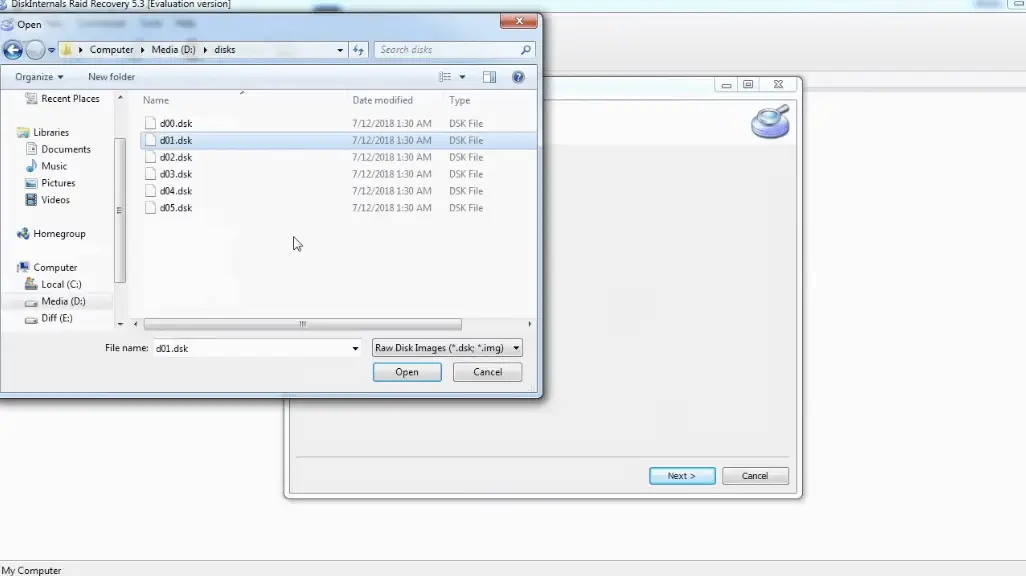
- 5. Select Drives: Identify and select the physical drives that comprised your RAID array. Ensure you select the correct drives to avoid potential complications.
- 6. Scan Options: Configure the scan settings, including file system type and any specific recovery options. A "deep scan" is recommended for thorough recovery, especially in cases of severe data loss.
- 7. Start Scan: Initiate the scanning process. The duration of the scan will depend on the size and complexity of the RAID array and the chosen scan settings.
- 8. Preview: Once the scan is complete, preview the recoverable files. This allows you to verify the presence and integrity of the data you wish to recover before proceeding with the full recovery.
- 9. Recover: Select the files and folders you want to recover and choose a destination drive or storage location for the recovered data. Important: Do not save the recovered data to the same drives that comprised the failed RAID array. This could overwrite existing data and hinder further recovery attempts.
Verifying Data Integrity Post-Recovery
- 10. Access Recovered Data: After the recovery process is complete, access the recovered files and folders at the designated destination location.
- 11. Verify File Integrity: Open files and check their contents to ensure they are complete and accessible. Pay particular attention to critical files to confirm their integrity.
- 12. Data Consistency Checks: For larger datasets, consider running data consistency checks or using checksum verification tools to ensure the recovered data matches the original data.
Conclusion
Recovering data from a failed RAID array can seem daunting, but with the right approach and tools, it's often achievable. Understanding the different RAID levels, common failure scenarios, and available recovery methods is crucial for successful data retrieval. While professional data recovery services are available for complex situations, software solutions like DiskInternals RAID Recovery™ offer a user-friendly and often effective first line of defense. By following the outlined steps and taking preventative measures, you can significantly improve your chances of recovering valuable data and minimizing the impact of RAID failures. Remember that acting quickly and avoiding further data corruption are paramount in any data loss situation. Regular backups and a comprehensive disaster recovery plan remain the best strategies for protecting your critical data and ensuring business continuity.
Related articles
- RAID Array for Video Editing: How to Choose
- How to set up RAID 1 on Windows 10 and Linux
- Configuring RAID 5: Step-by-Step Guide on How to Configure RAID 5 for Performance
- How to Rebuild RAID 5 Without Losing Your Data
- RAID 1 Recovery: all you can do yourself
- RAID 5 Data Recovery Step by Step
- RAID Recovery Services
- RAID Recovery Software
- RAID 4 Data Recovery: How to Perform It⠀
- RAID 0 vs RAID 1: Performance, Redundancy & Use Cases
- RAID 5 vs RAID 10 comparison: Which one is better for you?⠀
- How to set up RAID in Windows 10 in 2025
- RAID 5 VS RAID 6 - advantages and disadvantages
- The best NAS RAID: how to choose⠀
- HDD Raid Vs SSD Raid Storage Systems - How to move⠀
- NAS vs External Hard Drive: Comprehensive Guide to Choosing the Best Data Storage Solution
- RAID-1 vs RAID-5: Performance, Cost, and Data Protection Compared
- RAID 10 vs RAID 01: Is There Any Difference?
- RAID vs JBOD: performance and cost comparison⠀
- NAS vs SAN storage - Detailed Comparison⠀
- Perform RAID 50 Data Recovery Today!
- Basic Disks vs Dynamic: What is the Difference
- What Is a Hot Spare? Peculiarities of Usage
- Differences Between Software RAID and Hardware RAID
- How to check RAID status? 4 different methods!
- RAID Array Growing: How to Perform It
- How To Create RAID Arrays with mdadm on Ubuntu (22.04)
- How About RAID 1 Reliability?
- Can RAID array have snapshots?
- RAID Array Metadata: What Is Inside?
- RAID 5: How Big Should an Array Be?
- How Does RAID 5 on Windows 10 Work?
- What is FakeRAID?
- Which RAID is Better to Use for 4 Drives
- Hyper-V Manager - what is it?⠀
- Hyper-V: Generation 1 vs Generation 2
- Hyper-V Live Migration - what is it?⠀
- Hyper-V Snapshot Merge
- About Hyper-V clusters
- Hyper-V network adapters⠀
- Back up Active Directory Guide - Step-by-step Instructions⠀
- Effective Btrfs File Recovery: Complete Guide to Btrfs Data Recovery
- Make Sure Your Data is Safe While Using Microsoft Storage
- Set Up and Use Microsoft SQL Server Management Studio
- Guide: Linux Raid and Disk Data Safety
- Btrfs vs. EXT4: A Comprehensive Comparison of File Systems in Linux (2025)
- RAID Redundancy - best performance solutions⠀
- No hard drive detected or disk controller not supported in RAID
- Issue with the RAID after the BIOS update
- Using SSD in RAID Array
- ZFS Recovery software - How to recover deleted ZFS files
- Raid Recovery Qnap⠀
- RAID recovery software for Mac⠀
- How to Recover RAID Array Configuration
- How to Rebuild RAID Without Losing Data
- How to rebuild RAID 1 without losing data
- How to Rebuild RAID 0 Without Losing Data
- Difference and Comparison - RAID 1 and RAID 2
- Difference between RAID 2 and RAID 3
- Difference between RAID 4 and RAID 5
- What is Synology Hybrid RAID (SHR). How to Recover Data from Synology Hybrid RAID
- Recover Data from RAID on Linux
- RAID Foreign Disk: Causes, Solutions, and Best Practices
- Forensic RAID Recovery
- RAID Data Recovery evaluation. What is RAID data recovery?
- What Is a RAID Controller and What Are the Benefits of It?
- Recover Data from Broken/Failed RAID Set
- How to Clone RAID 0, 1, 5 Disk
- Raid Rebuild Vs. Raid Recovery
- RAID vs. backup - differences and benefits (RAID is not a Backup)
- How to Rebuild RAID array
- What is Synology Hybrid RAID? What is the difference between SHR and RAID Drives?
- Recover Data from RAID 5 on mdadm (Linux)
- RAID Rebuild Time: What is and How to Optimize It?
- RAID Disaster Data Recovery: Techniques and Strategies for Handling Catastrophic Events
- How to Repair a Failed RAID?
- How to Set Up RAID in Windows 11: A Step-by-Step Guide
- RAID 50 vs. RAID 60 – Key Differences
- How to Set Up and Configure RAID 10: Step-by-Step Guide
- What Is RAID 6? Definition, function
- RAID 10 vs RAID 6: Which Better?
- RAID 10: How Many Disks Are Needed and How to Set It Up
- How to recover data from a corrupted RAID?
- RAID 1 with 3 Drives: Everything You Need to Know
- NTFS RAID Recovery: Comprehensive Guide to Data Retrieval
- Comprehensive Guide to RAID in Cyber Security: Levels, Recovery, and Best Practices
- What is software RAID? - Comprehensive Guide
- Understanding RAID 0: Benefits, Risks, and Applications
- RAID 3 Explained: Benefits, Limitations, and Data Recovery Guide
- How Many Drives Are Needed for RAID 5? Minimum & Maximum Explained
- Understanding RAID Striping: A Comprehensive Guide to Disk Striping and Its Variants
- ZFS vs Btrfs vs RAID: Comprehensive Storage Comparison for Performance, Reliability, and Scalability
- How to Resize RAID Partitions: Step-by-Step Guide for RAID 1, 5, 6 & 10
- RAID 1 Minimum Drive Requirement: How Many Drives Do You Need?
- Bootable RAID Recovery Software: Complete Guide for RAID 0, 1, 5, 10 Recovery
- RAID Hard Drives Explained: What Is RAID for HDDs and External Drives
- RAID 5 Rebuild Failure Probability: Risks, Factors, and Solutions in 2025
- Understanding RAID 6 Performance: A Comprehensive Guide
- Recovering Data from RAID Drives: Step-by-Step Guide to RAID Recovery
- Adaptec RAID Recovery: Restore Data from Failed Arrays with DiskInternals RAID Recovery™
- SAN RAID Data Recovery: Recover RAID Arrays with Professional SAN Recovery Solutions
- What is a RAID? RAID Systems Explained & How to Recover RAID Arrays with Professional Tools
- Top 10 RAID Recovery Services: Best Solutions for Data Recovery
- RAID Server Data Recovery: Recover and Restore RAID Arrays Fast with Professional Tools
- RAID System Recovery: Essential Steps & Best Software for Safe Data and File Restoration
- What is RAID Connectivity? Essential Guide to RAID Array Setup
- How Many Drives for RAID 6?
- How to Read RAID Drives & Recover RAID Arrays on Windows: A Guide
- Synology RAID 5 Recovery: Recover Your RAID Array with Expert Tools and Tips
- X-RAID Recovery: Expert Guide to Netgear X-RAID and ReadyNAS Data Recovery
- SCSI RAID Recovery Software: Effective Solutions for SCSI RAID Data Recovery
- RAID Data Recovery for Deleted Arrays: Recover RAID Array Safely & Effectively
- What is RAID in Linux? Learn About Software RAID & Recover RAID Arrays Easily
- Change log for RAID Recovery™
- Intel Matrix RAID Recovery: Restore RAID 0, 1, 5, 10 with Reliable Solutions
- ZFS RAID Expansion: How to Expand RAIDZ and ZFS Pools Safely
- RAID 6 Drive Failure Tolerance: How Many Drives Can Fail?
- Windows Storage Spaces vs RAID: Performance, Speed, and Data Protection Comparison
- RAID 2 Array Explained: What Is RAID Level 2, Setup, and Performance Comparison
- RAID 5 RAID 6 RAID 10 - Key Differences and Performance Comparison
- How to Fix Degraded RAID 1: Step-by-Step Guide to Restore RAID 1 Degraded Arrays
- RAID 5 vs RAID 0+1: Key Differences Explained
- Why RAID 1 Is Not a Good Substitute for a Backup
- How to Check Which RAID Is Configured: A Complete Guide for Windows and Linux
- RAID 50 vs. RAID 6 – Key Differences
- Cannot Format Old RAID Drive? Effective RAID Data Recovery Solutions
- RAID 6 with 5 Drives: Configuration, Performance, and Data Protection
- Best RAID for 6 Disks: Compare RAID 0, 5, 6, 10, 50 & 60 for Performance & Redundancy
- RAID 6 with 8 Drives: Configuration, Failures, and Performance Explained
- RAID 6 with 6 Drives: Performance, Redundancy, and Best Use Cases
- RAID 5 with 5 Drives: Configuration, Performance & Recovery | RAID 5 5 Drives Guide
- 15 Best External Hard Drives for RAID in 2026
- Dell RAID 1 Recovery: How to Recover Data from RAID 1 on Dell Servers Safely
- What Is RAID 1E? Performance RAID 10 1E vs RAID-1E Guide for Power Users
- RAID 1E vs RAID 5: Performance, Capacity and Failure Risk Compared
- RAID 1 Speeds: Read, Write & Disk Performance | Speed Up RAID 1 Guide
- XFS RAID Recovery Guide & Best XFS RAID Recovery Software
- RAID Data Recovery Cost: Affordable Solutions for RAID 0, RAID 1, RAID 5, and RAID 10 Failures
- NAS as a File Server: NAS vs. File Server Comparison for Storage and Sharing
- QNAP RAID 5 Recovery Failed? Safe Data Recovery Steps for NAS Users
- ReiserFS RAID Recovery: How to Restore Data from Failed RAID Arrays
- RAID Calculator For Geeks – Estimate Usable Space & Drive Size
- RAID 0 vs RAID 1 vs RAID 5 vs RAID 10 — Performance, Capacity & Recovery
- RAID 1 vs RAID 5 vs RAID 10 Performance Management, Speed & Capacity Guide
- ZFS Minimum Drives — How Many Disks You Need for RAIDZ1, RAIDZ2, RAIDZ3
- ZFS vs mdadm RAID — Why choose ZFS instead of RAID
- Encrypting RAID Arrays — RAID with Full Disk Encryption & Secure Setup
- Best RAID for OLTP: RAID Configuration for OLTP Workloads & Transactional Databases
- Best RAID for MySQL: RAID Configuration & RAID Setup for MySQL Databases
- Best RAID for NVMeoF: NVMe RAID Configuration & NVMe over Fabrics RAID Setup
- Fault Tolerance in NVMe-oF RAID — Rebuild Time, Data Protection & Redundancy
- RAID 0 vs Single Drive — SSD, NVMe & HDD Comparison (Performance vs Risk)
- RAID 0 vs Single Drive Reliability — Failure Risk, SSD Comparison & Recovery
- RAID 0 vs. SSD Performance: PCIe 4.0, PCIe 5.0 Speed Compared
- Does RAID 0 Increase FPS? — RAID 0 vs Single Drive FPS Guide
- RAID 5 Two-Disk Failure Recovery: Parity Recovery Beyond Tolerance
- Best RAID Controller Guide: Hardware RAID Cards Compared for Servers and SSDs
- RAID Controller for ESXi: VMware ESXi RAID Controller Recommendations
- RAID Controller for Linux: Best Linux-Compatible Hardware RAID Controllers
- SATA RAID Controller for ESXi: VMware ESXi Compatible SATA RAID Options
- RAID Calculator Online – Usable Space & Disk Size Calculator for RAID
- NAS Data Recovery Software & Tools for RAID Recovery
- Features
- RAID 0 Data Recovery
- RAID 10 Recovery
- RAID 6 Data Recovery
- RAID 0, 1, 3, 5, 10 data recovery software for Windows 10
- RAID Reconstructor on Broken RAID Arrays
- The Truth about Recovering RAID 5 with 2 Failed Disks
- SSD benefits for RAID array
- RAID 0 failure - How to Fix Failed Raid 0 Array
- Benefits of RAID arrays - what are the advantages of RAID?⠀
- RAID 3 vs RAID 5: which one would you prefer?
- What are RAID 01, RAID 1+0 and RAID 0+1⠀
- Mdadm RAID 1 not activating a spare disk Linux⠀
- What to do if RAID array doesn't reassemble after reboot
- RAID levels 0, 1, 5, 6, and 10
- Minimum disks for RAID 10⠀
- RAID Consistency Check: Ensure Data Integrity & Recover Lost Data
- Global Hot Spare vs Dedicated Hot Spare: Find the Difference
- What Are Some Common Symptoms of RAID Array Failures?⠀
- RAID status degraded - fix it⠀
- RAID 50 vs RAID 10 - What is the difference
- How to downsize hardware RAID partition and protect data
- What is RAID-Z? Its Difference Between RAID-Z2 vs RAID-Z3
- RAID 6: Replace Two Dead Drives
- Do You Need to Defragment RAID?
- How to Recover RAID partition - step by step guide⠀
- Does chunk size influence the speed of RAID?
- RAID 0, 5, 6, 10 Performance
- RAID Configuration Explained: Types, Setup, and Best Practices
- What Is RAID Redundancy? | RAID Redundancy Explained for Data Protection
- Perform Hyper-V Data Recovery Today
- How to Install Hyper-V in Your Environment in 2025
- Hyper-V Virtual Machine Replication⠀
- Difference Between Type 1 and Type 2 Hypervisor?⠀
- Hyper-V Server Core installation vs GUI - let's compare⠀
- How to Run Linux on a Hyper-V VM in 2025
- What is nutanix ahv?⠀
- What is System Center Virtual Machine Manager⠀
- What is Microsoft SQL Server and How Can You Use it Safely?
- Microsoft SQL Server Express Guide
- Use Microsoft Windows Server Safely
- What to do if you get Microsoft SQL Server error 18456?
- Microsoft Storage Spaces
- Xserve RAID data safety
- Apple RAID Card Data Recovery
- Here is Everything You Need to Know About RAID-Z Technology
- What is JBOD?
- Is it worth using RAID 5E/5EE?
- Let's compare: Synology vs QNAP
- Here is How to Backup RAID in 2025
- Synology RAID Set That Is Broken or Crashed? RAID data recovery
- Here is How to add drive to RAID 5 in 2025
- Best NAS hard drive recovery in 2026 | Top RAID network-attached storage Hard Drives
- SQL Server Database in Recovery Pending - How to fix it (2025)
- RAID Hard Disk Data Recovery Software (2025)
- Best RAID Data Recovery Software for Linux
- Difference between RAID 3 and RAID 4
- Buffalo Data Recovery
- Rapid RAID Recovery Software
- RAID Server Data Recovery
- How to Recover RAID Crash Data
- Raid Drive Array Recovery
- How to Setup Raid 0 Windows 10 (11)?
- How Many Disks Can Fail in RAID 5?
- What is RAID 5? Overview and Key Functions
- How to Remove software RAID device using mdadm
- AHCI vs. RAID: Pros, Cons & Differences
- Recover Data from RAID 1 on mdadm (Linux)
- Difference & Comparison: RAID vs. non-RAID System
- Ultimate Guide to RAID Data Recovery: Tips & Techniques
- Guide to Recovering a Failed RAID Array | Step-by-Step Recovery Process
- Open Source RAID Recovery Software Explained and Comparison
- HDD RAID vs SSD RAID and Combining Both: Everything You Need to Know
- RAID 0: How Many Drives Are Needed?
- RAID 1: How Many Drives Are Needed for Data Redundancy?
- What is RAID 1? RAID Mirroring
- Recovering RAID 5 After Controller Failure
- What is Xserve RAID? Comprehensive Guide and Overview
- Complete Guide to RAID Controller Failure and Recovery: Expert Tips
- Understanding Hardware RAID: Comprehensive Guide to RAID Levels and Benefits
- Understanding RAID 60: Architecture, Advantages, and Data Recovery
- RAID 10: How Many Drives Can Fail? | Comprehensive Guide to Failure Tolerance
- ZFS RAID Setup Guide: Configuration, Management & Expansion
- A Comprehensive Review of RAID Recovery Software: Choosing the Right Tool
- DiskInternals RAID Recovery vs EaseUS Data Recovery Wizard | Comprehensive Comparison
- Comprehensive Guide to ZFS RAID Levels, Types, and Configurations
- ZFS vs RAID: Comprehensive Comparison of Performance, Reliability, and Features
- RAID Drives Explained: Learn How RAID Storage Enhances Performance
- HP RAID Recovery Tool | How to Recover Data with DiskInternals RAID Recovery Software
- Recover Striped RAID: Professional RAID 0 Data Recovery with DiskInternals RAID Recovery™
- BTRFS Restore File: How to Undelete Files and Restore Deleted Data Easily
- Recover Data from a RAID Array: Effective Solutions for Fast and Secure Data Retrieval
- Windows 7 RAID Recovery: How to Recover Data from RAID 1, RAID 5, and RAID 10 Arrays
- What is RAID Data Recovery? | Recover RAID Arrays with RAID Recovery Software
- What is a RAID Volume? Understanding RAID Volumes and Recovery Solutions
- Best RAID Software for Mac | Top Free & Paid RAID Tools for macOS 2026
- Intel RAID 0 Recovery & RAID 1 Recovery: Solutions for Data Loss & Recovery Tools
- Optimize RAID for Redundancy and Performance - Expert Guide
- RAID 0 vs RAID 5: Speed, Performance & Key Differences (2026)
- Synology RAID 1 Recovery: Recover RAID Array with Trusted Tools and Expert Solutions
- Interim Recovery RAID 5: Expert Guide to Data Recovery and RAID Array Repair
- MDADM RAID 0 Recovery: Expert Guide to Fix and Recover Your RAID Array
- RAID Level 4: What Is RAID 4, How It Works
- RAID Restorer – Recover Data from Failed RAID Arrays with Reliable Software
- ZFS RAID with Different Size Drives – Setup, Limitations, and Best Practices
- RAID 0, 1, 5, 10 Explained: Performance, Redundancy & Best RAID Configurations
- How to Recover Data from a Broken RAID 1 Set – Step-by-Step Guide
- RAID 50: Drive Failure Tolerance and Data Recovery Solutions
- RAID 5 with 3 Disks: Configuration, Benefits, and Performance Insights
- How to Create RAID 5 with 6 Disks: Complete Setup Guide and Performance Tips
- RAID 6 Double Parity Calculation Explained – Data Protection Insights
- How to Add a Disk to mdadm RAID 5: Step-by-Step Guide
- RAID 0 vs RAID 10 and RAID 10 vs RAID 0 Performance Comparison
- RAID 50 vs. RAID 5 – Performance, Speed, and Data Protection Comparison
- Configure RAID on Ubuntu – Step-by-Step Guide for RAID 0, 1, 5, and 10
- RAID 0 vs. JBOD – Key Differences, Performance, and Speed Comparison
- RAID Array Rebuild: How to Rebuild a RAID Array Safely and Recover Lost Data
- Recover Data from Old RAID Drives | Best Methods & Software for RAID Recovery
- Dell RAID 5 Recovery - Safely and Fast
- RAID 1E vs RAID 10: Performance, Capacity, Cost & Failure Risk Guide
- Ext3 RAID Recovery Guide - Data Recovery RAID Ext3
- ASUS RAID Recovery Guide - Fix Failed ASUS RAID
- ZFS Recovery Tools — Data Recovery ZFS Guide & Best Software
- RAIDZ1 vs RAID 5 — Performance, Integrity & Recovery Comparison
- ZFS Mirror vs RAIDZ — Performance, Capacity & Recovery Guide
- RAID Degraded: What to Do | Warning Fixes and Steps After a Failed Rebuild
- RAID 7 — What It Is? Origins, Risks & Recovery Options
- RAID in Cloud Storage Systems — SDS, Virtual RAID & Erasure Coding Guide
- RAID 10 with 8 Disks — Configuration, Performance, Rebuilds & Best Practices
- Is RAID 0 Worth It in 2026? Risk, Performance, SSD & NVMe Guidance
- Best Practices for RAID over NVMe-oF — Tuning, Monitoring & DR
- RAID 0 for Gaming — Is RAID 0 Good for Gaming? Performance & Risk Guide
- RAID 0 for 4K Editing — Is RAID 0 Good for 4K Video Editing?
- RAID 0 for Large File Workloads: Scratch Disks, NVMe, When It Makes Sense
- Is RAID 0 Obsolete? RAID 0 with SSD and NVMe — Still Worth It?
- RAID 0 Redundancy vs No Redundancy — Does RAID 0 Have Redundancy?
- RAID 5 Interrupted Rebuild Recovery: Fix Stopped or Aborted Rebuilds
- RAID 0 Failure Probability with N Disks Explained
- RAID 1 Corrupted Mirror Recovery: How to Recover a Damaged RAID 1 Mirror
- When RAID 0 Is Acceptable: Use Cases, Risks, and When You Should Use RAID 0
- RAID Best Practices for VMware: Best RAID Configuration for VMware ESXi
- RAID 0 Backed by Versioned Backup: Is RAID 0 Safe with Versioned Backups?
- RAID 10 Best for VMware: Why RAID 10 Is the Recommended RAID for ESXi
- Best PCIe RAID Controller: Top Hardware PCI Express RAID Cards Compared
- SAS RAID Controller for VMware ESXi: Best Hardware RAID Options
- Best FREE RAID Data Recovery Software (2026)
- DiskInternals RAID Recovery vs ReclaiMe: Comprehensive RAID Recovery Solutions Compared