
RAID Data Recovery Service: Experts in Server RAID Recovery & File Restoration
When it comes to RAID (Redundant Array of Independent Disks) systems, reliability and speed are paramount—until disaster strikes. Despite the fault tolerance RAID arrays offer, they’re not immune to failure due to hardware issues, human errors, or unexpected system crashes. When this happens, securing the expertise of a specialized RAID data recovery service is critical. In this article, we explore the world of professional RAID recovery services, spotlighting the best in the industry. From servers to complex RAID set ups, these experts provide tailored solutions to retrieve your data quickly and securely, ensuring minimal downtime and maximum peace of mind. Whether it’s RAID 0, RAID 5, or RAID 10, here’s what you need to know about choosing the right RAID data recovery specialist.
Why Choose a RAID Data Recovery Specialist?
What is a RAID recovery? Choosing a RAID data recovery specialist is essential when dealing with complex RAID failures that can compromise critical data and business continuity. Unlike standard data recovery, RAID systems have intricate configurations and advanced architecture designed for fault tolerance, yet they can suffer catastrophic failures from issues like multiple drive losses, controller malfunctions, or file corruption. In these cases, the expertise of RAID data recovery specialists is invaluable.
RAID recovery experts bring a deep understanding of various RAID levels—RAID 0, RAID 1, RAID 5, RAID 6, RAID 10, and beyond—each with its own unique data distribution and fault tolerance mechanisms. This knowledge is crucial, as RAID recovery requires precise handling to rebuild lost arrays, reconstruct data, and avoid further corruption. Specialists not only have experience with different RAID setups but also stay updated on the latest tools and techniques, allowing them to navigate even the most challenging failures with a high success rate. By choosing a RAID data recovery expert, you gain the assurance of skill, precision, and a focus on securely restoring your data, no matter the RAID level or complexity.
How RAID Server Recovery Services Work
RAID server recovery services are designed to handle complex RAID array failures, providing a structured, professional approach to restoring critical data. The RAID recovery process typically begins with an in-depth diagnosis, where specialists assess the RAID level, identify the failure type—whether it’s a hardware malfunction, RAID controller issue, or software corruption—and determine the appropriate recovery approach.
Once diagnosed, the next phase involves extracting data from each individual drive in the array, often using advanced forensic techniques and specialized tools to read even damaged drives. RAID server recovery experts then proceed to the reconstruction phase, where the array’s architecture is carefully reassembled according to its unique configuration. This step is essential for RAID systems, as data is typically distributed across multiple drives in blocks or mirrored segments. Specialists use their expertise to rebuild the array without compromising data integrity, whether it’s RAID 0, 5, 6, or a more complex setup like RAID 10 or RAID 50.
In enterprise environments, RAID server recovery services are indispensable. Business operations rely on the rapid access to large amounts of data, and downtime due to data loss can result in significant financial losses. RAID recovery services ensure that businesses can quickly resume operations with minimal disruption. With data restoration complete, specialists often provide insights and recommendations to enhance data resilience, preventing future failures and optimizing RAID array performance. Through every stage, RAID server recovery services prioritize security, efficiency, and precision, helping enterprises safeguard their most valuable asset: data.
Types of RAID Failures Handled by Experts
RAID recovery experts handle a range of RAID failures, each requiring specific tools and techniques. The most common types include:
- Mechanical Failures: These occur when the physical components within a hard drive, such as the motor or read/write heads, fail. Mechanical issues can lead to inaccessibility across the RAID array, as each drive’s health impacts the system’s overall functionality. Recovery experts use specialized hardware and cleanroom environments to carefully extract data from damaged drives, often disassembling them to access data stored in otherwise inaccessible sectors.
- Logical Failures: Logical issues arise from corrupted file systems, accidental deletions, or corrupted RAID configurations. These failures often require expert knowledge of RAID structures, as well as advanced recovery algorithms. Specialized software like DiskInternals RAID Recovery™ is invaluable in these scenarios, providing powerful tools for data extraction and array reconstruction even in the face of logical inconsistencies.
- Firmware-Related Failures: Firmware problems can prevent RAID controllers from recognizing drives correctly or may render entire arrays inaccessible. Recovery experts have the expertise to diagnose firmware failures and apply custom solutions to bypass or repair faulty firmware, restoring the RAID array’s accessibility.
Using specialized software like DiskInternals RAID Recovery™ is essential in handling these complex RAID failures. This software offers advanced algorithms designed for RAID configurations, making it possible to reconstruct arrays, retrieve data even from partially corrupted or missing volumes, and maximize the success rate of recovery efforts. With the right tools and expertise, RAID recovery specialists can address mechanical, logical, and firmware-related issues, ensuring secure and comprehensive data restoration.
Tip: what is a RAID hard drive?File Recovery as a Critical Component of RAID Data Recovery
File recovery is a crucial element in RAID data recovery, as it focuses on retrieving and restoring individual files from a compromised RAID array, which can be essential for businesses and individuals alike. When a RAID system fails, it often disrupts data at both the structural and file levels. Simply restoring the RAID array isn’t always enough; locating and recovering specific files, databases, or application data is essential to fully resume operations. This targeted approach ensures that no important files are left behind and that data integrity is maintained.
DiskInternals RAID Recovery™ software plays a pivotal role in file recovery within RAID data restoration. Its advanced algorithms allow for deep scans and file extraction across various RAID levels, such as RAID 0, 5, and 10, and can handle even the most fragmented or corrupted data. This software specializes in recovering files from inaccessible arrays, reconstructing RAID structures, and retrieving individual files without causing additional corruption. For RAID data recovery, having robust file recovery capabilities like those offered by DiskInternals RAID Recovery™ is critical, as it enables comprehensive data restoration down to the file level, ensuring that every essential piece of information is effectively recovered.
RAID Types We Recover
To improve elements of computer system storage, each RAID level employs numerous hard drives. The RAID levels each have their own set of advantages.
RAID 0 | RAID 1 | RAID 5 |
|---|---|---|
| In RAID 0, the primary goal of disk striping is speed. On each disk, data chunks that are dispersed throughout the disks are read and written concurrently. As there is no built-in data protection, you will lose your files if a drive fails despite the fact that this arrangement significantly increases disk speed. | Data security is RAID 1's (Mirroring) primary concern. By mirroring the data over at least two disks, a 1:1 clone of the data is produced. If only one disk fails, the data is totally safe, and the array may be rebuilt by adding the replacement disk. | Enterprise storage solutions like SAN and NAS devices frequently employ RAID 5. (striping with parity). For the optimal speed, data is striped over all drives, but a parity block is also written to each disk. The RAID may recreate the data using the parity blocks and restore data consistency in the case of a hardware failure. |
RAID 6 | RAID 10 | RAID 50 |
| Simply RAID-5 with one extra level is RAID 6. RAID 6 arrays add more parity data while still serving the same purpose as RAID 5 arrays. Due to its second layer of parity, RAID 6 can withstand up to two drive failures, but it requires one more hard drive than RAID 5 to hold the same amount of data. | RAID 10 (nested) gives high performance, fault tolerance, and data protection. The minimum configuration is 4 disks with data striped across them all, but, importantly, data is also mirrored between the disks. Therefore, in a four-disk configuration, two disks can fail and the files will still be protected. | Similar to how RAID-10 combines RAID-1 and RAID-0, RAID-50 (nested) combines RAID-5 and RAID-0. RAID-50 creates an array with typically exceptional fault tolerance by combining RAID-5's somewhat acceptable fault tolerance with RAID-0's complete absence of fault tolerance. |
RAID Data Recovery Services
DiskInternals RAID Recovery is a professional free RAID recovery software that allows you to recover lost files and partitions from all kinds of RAID/RAIDZ arrays. It is the favorite RAID backup & recovery tool of many IT experts; this software program has been regularly updated for more than 15 years.
More interestingly, DiskInternals RAID Recovery comes with a suite of useful features, as well as support various file systems. With the software, you would definitely get back your lost data from both software and hardware RAIDs; it works for macOS, Linux, and Windows OS. There are three (3) recovery modes supported by this program; there is also a built-in Recovery Wizard to guide users.
Note: more about repair software RAID!DiskInternals RAID Data recovery services are reliable and work only on Windows PCs. It supports all file types and works pretty very fast.
First Step:
Firstly, you need to turn off your computer/network server and disconnect the RAID drives in the array.
Second Step:
Remove the drives and connect them to a computer system via USB or any other supported means of connectivity.
Third Step:
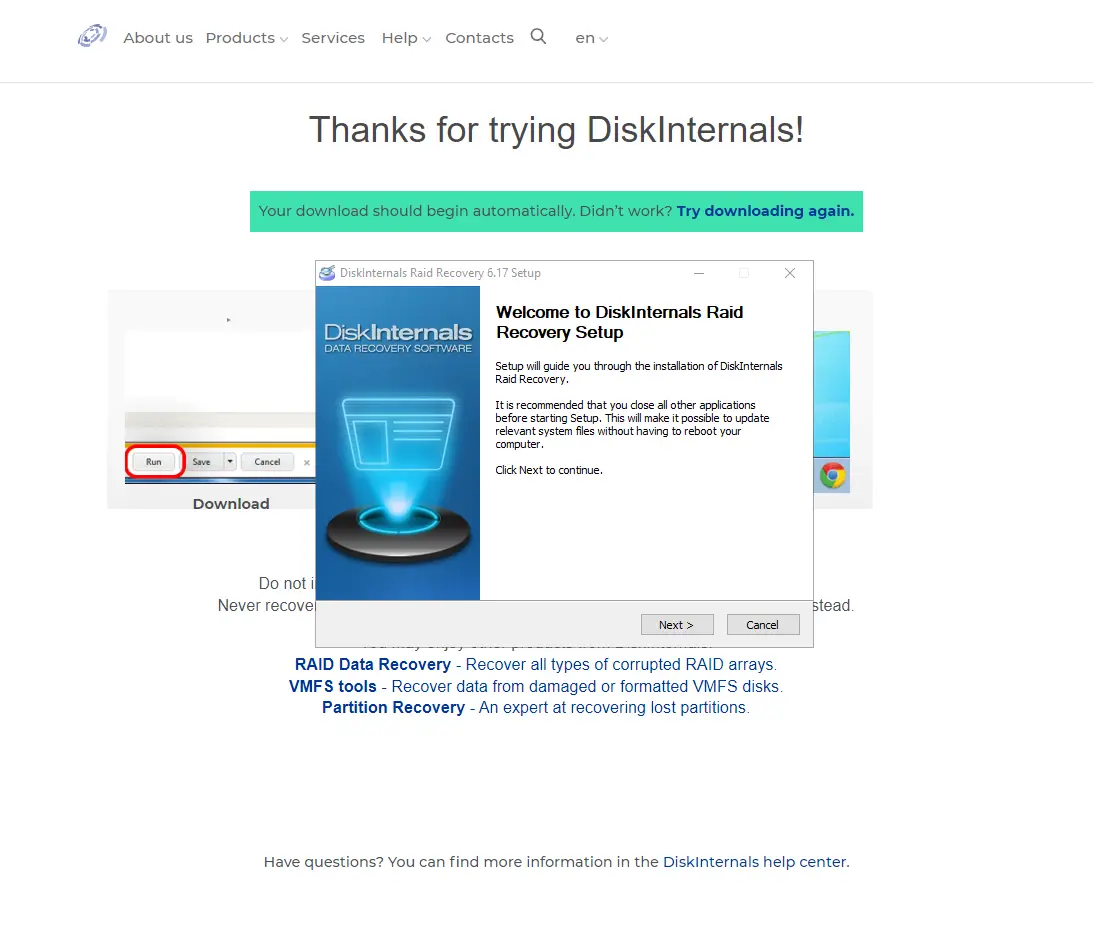
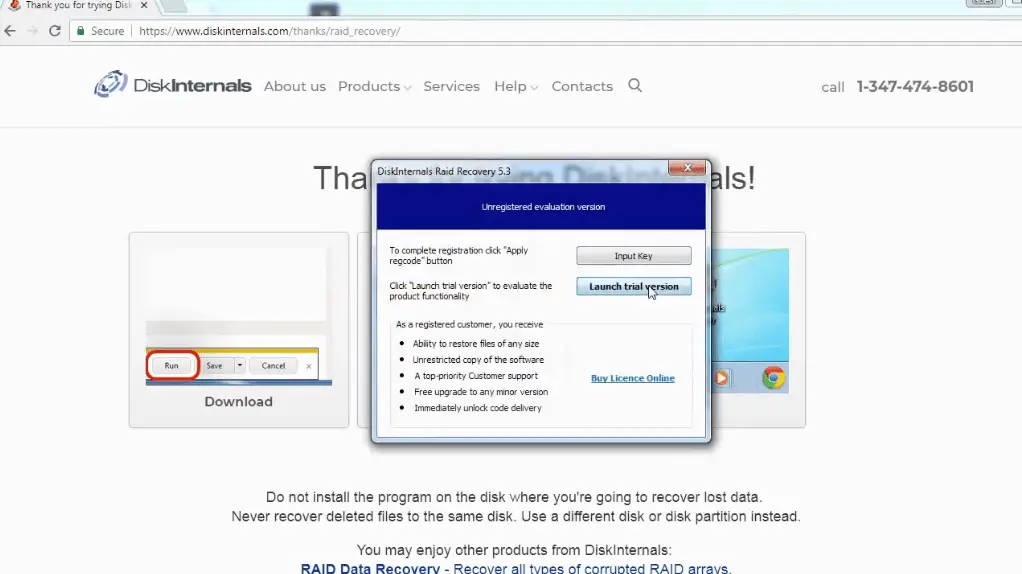
Boot the computer where the hard drives are connected and install DiskInternals RAID Recovery software. After the installation, launch the program and follow the Recovery Wizard prompts to recover RAID, your lost files from each of the connected drives, one after another.
RAID Data recovery services - recovery tips
These are tips you should have at the back of your mind when attempting to recover files using DiskInternals RAID Recovery.
- Don’t rush the process - allow each step to run completely and successfully before proceeding to the next. Else, you may not recover all your lost files.
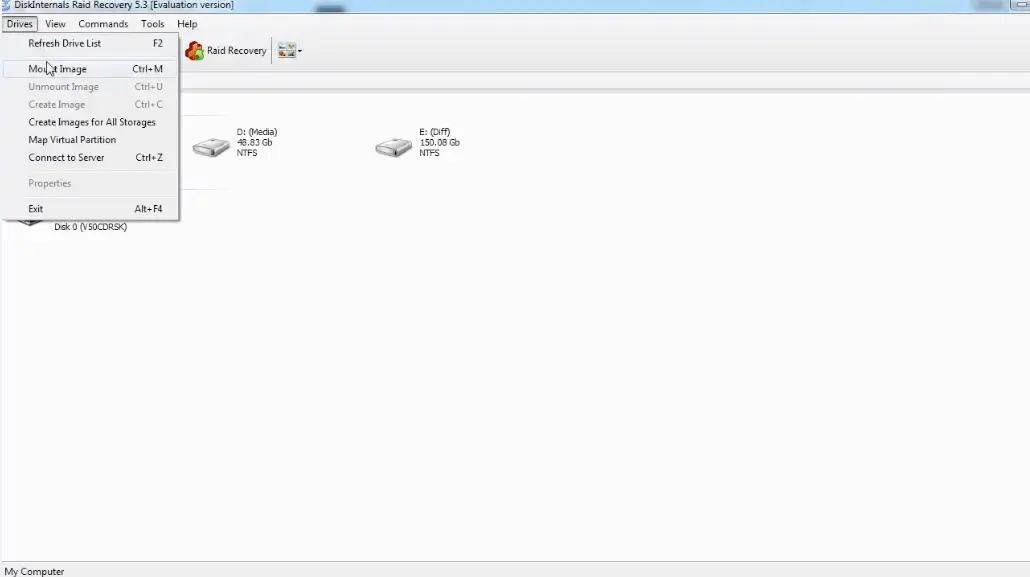
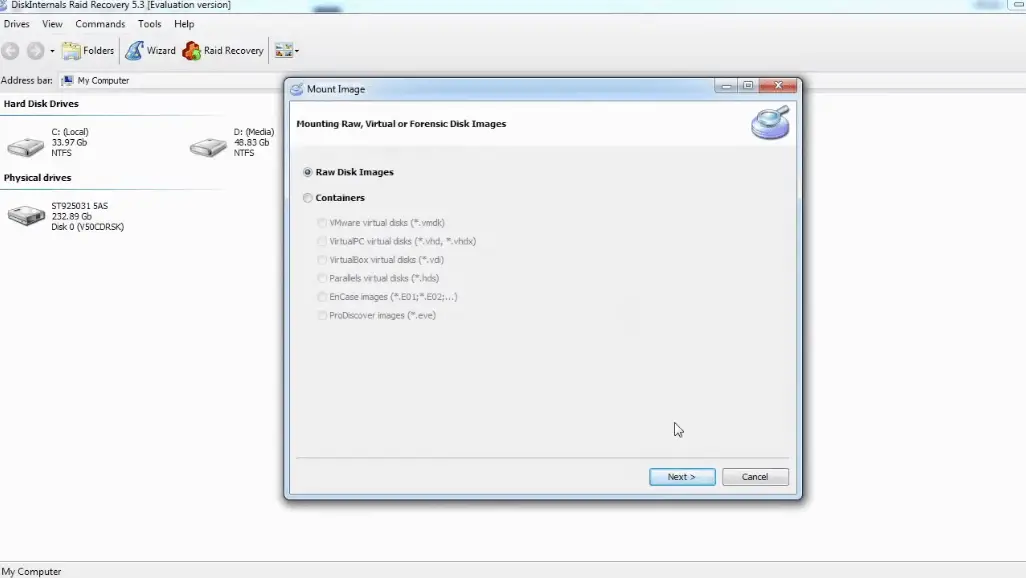
- Verify that you chose the exact disk drive that had the lost files you want to recover. If you select the wrong drive, you won’t get back any of the lost files.
- DiskInternals RAID Data recovery services come with a previewing engine, so you can preview the recovered files before saving them back to your local or remote storage.
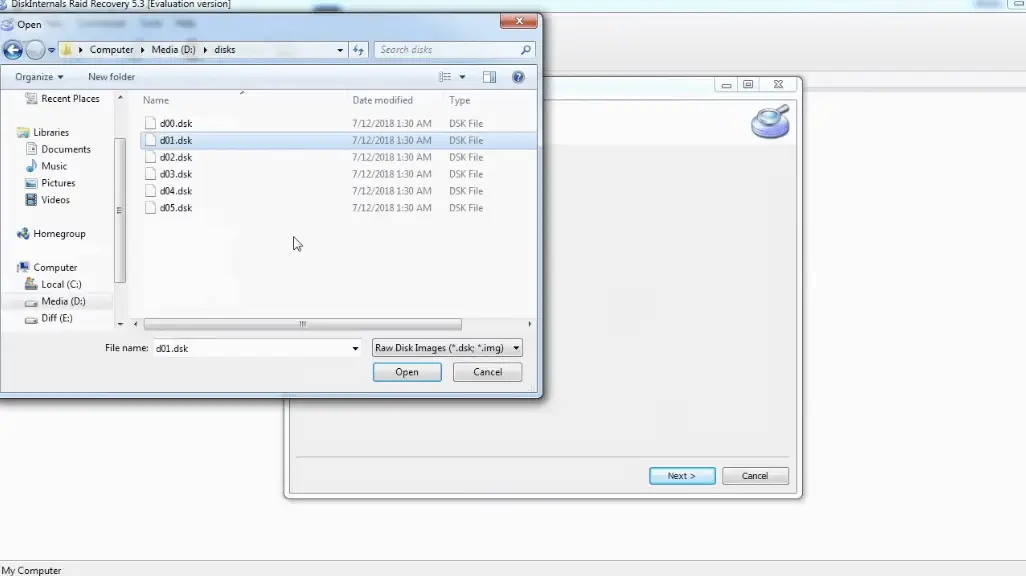
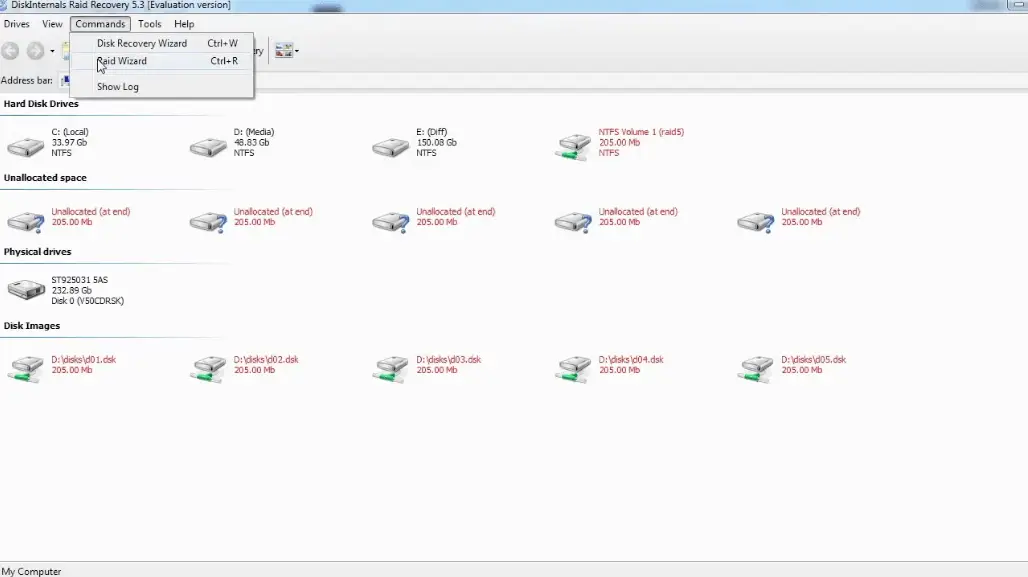
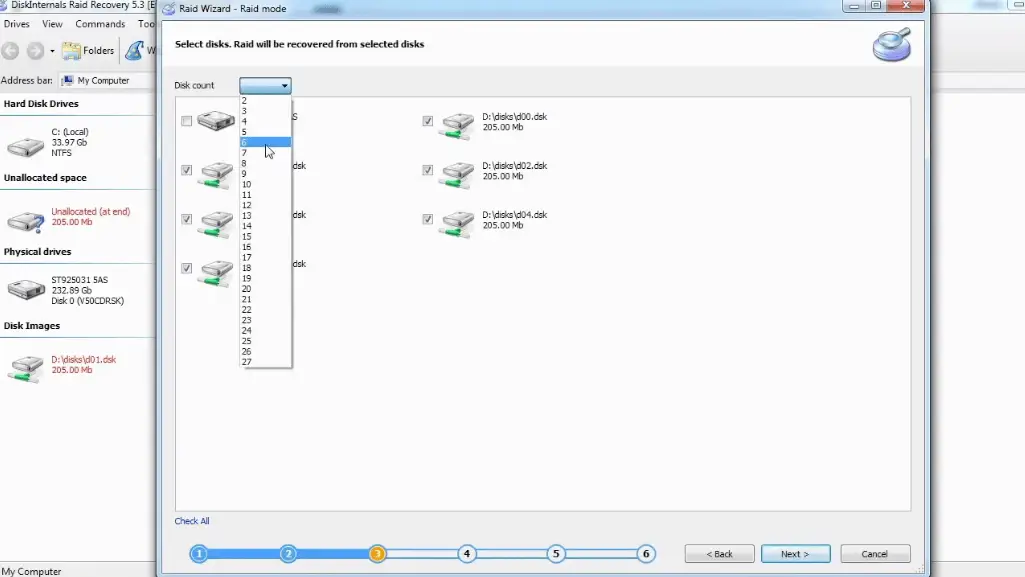
Important Note: Don’t save the recovered files on the same drive where they were previously saved - from where they got lost.
FAQ
-
Lite Standard Pro Ultimate Reconstruct RAID arrays of any type and size ✅ ✅ ✅ ✅ Export recovered files from RAID arrays with disk count up to 3 6 10 Unlimited Export recovered files from RAID 6, 60 No No Yes Yes Support of RAID 0, 1, 0+1, 1+0, 1E, 4, 5, 5R, 50 and JBOD ✅ ✅ ✅ ✅ Support for hardware and software RAIDs ✅ ✅ ✅ ✅ One year of free updates ✅ ✅ ✅ ✅ Free preview of recoverable files ✅ ✅ ✅ ✅ Support of NTFS, EXT, ReFS and other ✅ ✅ ✅ ✅ Support of VMware file system (See VMFS Recovery™) No No No No NTFS and ReFS Deduplication No No Yes Yes Price $249 $499 $899 $1299 -
RAID data recovery is the process of retrieving data from a RAID (Redundant Array of Independent Disks) system when it fails or experiences issues. This recovery process can become necessary if drives malfunction due to hardware failures, software issues, or user errors. Professional RAID recovery involves identifying the RAID level and the extent of disk errors before using specialized tools and techniques to reconstruct the array and extract data. Although some simpler situations can be managed with software, complex failures, especially involving multiple drives, often require expert intervention. The aim is to recover as much data as possible while minimizing the risk of further data loss.
-
The "best" RAID data recovery service can depend on various factors, such as the complexity of your RAID setup and your location. Companies like Secure Data Recovery, DriveSavers, and Ontrack are often highly recommended due to their expertise, advanced technologies, and successful track records in recovering data from complex RAID failures. They offer professional services, including evaluations, expert support, and cleanroom facilities for handling intricate recovery tasks. Cost, service quality, and turnaround time can vary, so obtaining quotes and reading reviews can help you find the most suitable service for your needs. Ultimately, the best service should combine reliability, a high success rate, and excellent customer support to ensure your data is recovered safely.
-
In the USA, some of the top-rated RAID recovery services include Secure Data Recovery, DriveSavers, and Ontrack. These companies are well-known for their expertise, state-of-the-art facilities, and high success rates in recovering data from complex RAID failures. They offer a range of services, including emergency recovery options and free evaluations, to accommodate different needs and circumstances. The best service for you will depend on factors like your specific RAID setup, budget, and location. It's advisable to compare several options, read customer reviews, and perhaps even consult customer service representatives to ensure you choose the most reliable and suitable provider for your situation.
-
To ship your RAID drives safely for recovery, begin by carefully removing the drives from their enclosure, taking note of their configuration order. Wrap each drive in anti-static bags to protect against static electricity, then use bubble wrap to cushion them further. Place the wrapped drives in a sturdy box, filling any empty spaces with packing material like foam peanuts or more bubble wrap to prevent movement during transit. Seal the box securely with packing tape and clearly label it with both sender and recipient addresses, along with any special handling instructions. Finally, choose a reputable shipping service that offers tracking and insurance to ensure your drives are delivered safely and can be traced throughout the journey.
-
Recovering data from a physically damaged RAID server is possible but can be highly complex, often requiring professional intervention. Specialists use advanced techniques in cleanroom environments to repair damaged components and extract data from affected drives. The success of recovery depends on the extent of the physical damage, but experts can sometimes salvage data even from severely damaged servers. It's crucial not to attempt repairs or recovery on your own, as this can exacerbate the damage and reduce the chances of successful data retrieval. Consulting a reputable data recovery service is the best approach to maximizing the likelihood of recovering your data from a damaged RAID server.
-
Using professional RAID recovery specialists offers several key benefits. Firstly, they provide expertise in diagnosing complex RAID issues, using advanced tools and techniques often unavailable to general users. Their cleanroom environments are crucial for handling sensitive components safely, especially in cases of physical damage. Additionally, professional services typically have a higher success rate in recovering data due to their experience and specialized equipment. Lastly, they can offer valuable insights and recommendations for future data protection, helping to mitigate risks and avoid similar issues down the line.
Related articles
- Features
- DiskInternals RAID Recovery vs ReclaiMe: Comprehensive RAID Recovery Solutions Compared
- Best FREE RAID Data Recovery Software (2026)
- SSD benefits for RAID array
- Mdadm RAID 1 not activating a spare disk Linux⠀
- Minimum disks for RAID 10⠀
- How to check RAID status? 4 different methods!
- Can RAID array have snapshots?
- RAID Array Metadata: What Is Inside?
- How Does RAID 5 on Windows 10 Work?
- What is FakeRAID?
- Hyper-V: Generation 1 vs Generation 2
- Bootable RAID Recovery Software: Complete Guide for RAID 0, 1, 5, 10 Recovery
- How to Rebuild RAID array
- What is Synology Hybrid RAID? What is the difference between SHR and RAID Drives?
- Btrfs vs. EXT4: A Comprehensive Comparison of File Systems in Linux (2025)
- RAID vs JBOD: performance and cost comparison⠀
- Complete Guide to RAID Controller Failure and Recovery: Expert Tips
- Comprehensive Guide to RAID in Cyber Security: Levels, Recovery, and Best Practices
- Raid Recovery Qnap⠀
- Best RAID for MySQL: RAID Configuration & RAID Setup for MySQL Databases
- Understanding Hardware RAID: Comprehensive Guide to RAID Levels and Benefits
- What Is a RAID Controller and What Are the Benefits of It?
- RAID Foreign Disk: Causes, Solutions, and Best Practices
- RAID 3 Explained: Benefits, Limitations, and Data Recovery Guide
- How to Resize RAID Partitions: Step-by-Step Guide for RAID 1, 5, 6 & 10
- Windows 7 RAID Recovery: How to Recover Data from RAID 1, RAID 5, and RAID 10 Arrays
- RAID Array Rebuild: How to Rebuild a RAID Array Safely and Recover Lost Data
- How to Check Which RAID Is Configured: A Complete Guide for Windows and Linux
- RAID 10 vs RAID 6: Which Better?
- What is software RAID? - Comprehensive Guide
- What is a RAID? RAID Systems Explained & How to Recover RAID Arrays with Professional Tools
- Best PCIe RAID Controller: Top Hardware PCI Express RAID Cards Compared
- Adaptec RAID Recovery: Restore Data from Failed Arrays with DiskInternals RAID Recovery™
- How to Rebuild RAID 0 Without Losing Data
- How to rebuild RAID 1 without losing data
- Raid Drive Array Recovery
- Best RAID Data Recovery Software for Linux
- How to Rebuild RAID Without Losing Data
- Forensic RAID Recovery
- AHCI vs. RAID: Pros, Cons & Differences
- Recovering RAID 5 After Controller Failure
- Best NAS hard drive recovery in 2026 | Top RAID network-attached storage Hard Drives
- RAID 50 vs RAID 10 - What is the difference
- What Is RAID Redundancy? | RAID Redundancy Explained for Data Protection
- Difference & Comparison: RAID vs. non-RAID System
- RAID Drives Explained: Learn How RAID Storage Enhances Performance
- Optimize RAID for Redundancy and Performance - Expert Guide
- RAID Level 4: What Is RAID 4, How It Works
- RAID 0 vs RAID 5: Speed, Performance & Key Differences (2026)
- How to Set Up and Configure RAID 10: Step-by-Step Guide
- SATA RAID Controller for ESXi: VMware ESXi Compatible SATA RAID Options
- RAID 10: How Many Disks Are Needed and How to Set It Up
- RAID 5 Rebuild Failure Probability: Risks, Factors, and Solutions in 2025
- SAN RAID Data Recovery: Recover RAID Arrays with Professional SAN Recovery Solutions
- RAID 6 with 6 Drives: Performance, Redundancy, and Best Use Cases
- RAID 5 Two-Disk Failure Recovery: Parity Recovery Beyond Tolerance
- ZFS Recovery software - How to recover deleted ZFS files
- How Many Drives for RAID 6?
- RAID 1 Speeds: Read, Write & Disk Performance | Speed Up RAID 1 Guide
- RAID 0 Data Recovery
- RAID Disaster Data Recovery: Techniques and Strategies for Handling Catastrophic Events
- RAID-1 vs RAID-5: Performance, Cost, and Data Protection Compared
- RAID Data Recovery evaluation. What is RAID data recovery?
- RAID 50 vs. RAID 6 – Key Differences
- Back up Active Directory Guide - Step-by-step Instructions⠀
- RAID Hard Drives Explained: What Is RAID for HDDs and External Drives
- Synology RAID 5 Recovery: Recover Your RAID Array with Expert Tools and Tips
- Windows Storage Spaces vs RAID: Performance, Speed, and Data Protection Comparison
- RAID 50 vs. RAID 60 – Key Differences
- RAID 0 vs Single Drive Reliability — Failure Risk, SSD Comparison & Recovery
- Using SSD in RAID Array
- RAID 1 with 3 Drives: Everything You Need to Know
- How to Read RAID Drives & Recover RAID Arrays on Windows: A Guide
- Difference and Comparison - RAID 1 and RAID 2
- What is RAID in Linux? Learn About Software RAID & Recover RAID Arrays Easily
- Configuring RAID 5: Step-by-Step Guide on How to Configure RAID 5 for Performance
- ZFS Minimum Drives — How Many Disks You Need for RAIDZ1, RAIDZ2, RAIDZ3
- Differences Between Software RAID and Hardware RAID
- Recover Data from RAID 5 on mdadm (Linux)
- RAID 2 Array Explained: What Is RAID Level 2, Setup, and Performance Comparison
- RAID 5 VS RAID 6 - advantages and disadvantages
- How to Clone RAID 0, 1, 5 Disk
- RAID vs. backup - differences and benefits (RAID is not a Backup)
- Top 10 RAID Recovery Services: Best Solutions for Data Recovery
- RAID 0 vs RAID 1: Performance, Redundancy & Use Cases
- Recover Data from RAID on Linux
- How to recover data from a corrupted RAID?
- How Many Drives Are Needed for RAID 5? Minimum & Maximum Explained
- RAID 5 vs RAID 0+1: Key Differences Explained
- How to Set Up RAID in Windows 11: A Step-by-Step Guide
- Best RAID for 6 Disks: Compare RAID 0, 5, 6, 10, 50 & 60 for Performance & Redundancy
- Recover Data from Broken/Failed RAID Set
- What Is RAID 6? Definition, function
- ZFS vs Btrfs vs RAID: Comprehensive Storage Comparison for Performance, Reliability, and Scalability
- How to Recover RAID Array Configuration
- RAID Rebuild Time: What is and How to Optimize It?
- Understanding RAID 0: Benefits, Risks, and Applications
- QNAP RAID 5 Recovery Failed? Safe Data Recovery Steps for NAS Users
- SQL Server Database in Recovery Pending - How to fix it (2025)
- What is RAID 5? Overview and Key Functions
- Raid Rebuild Vs. Raid Recovery
- Guide to Recovering a Failed RAID Array | Step-by-Step Recovery Process
- RAID 50 vs. RAID 5 – Performance, Speed, and Data Protection Comparison
- RAID 0 vs. JBOD – Key Differences, Performance, and Speed Comparison
- RAID 1 Recovery: all you can do yourself
- How to Setup Raid 0 Windows 10 (11)?
- Ultimate Guide to RAID Data Recovery: Tips & Techniques
- RAID 1: How Many Drives Are Needed for Data Redundancy?
- ZFS Mirror vs RAIDZ — Performance, Capacity & Recovery Guide
- RAID Calculator Online – Usable Space & Disk Size Calculator for RAID
- The Truth about Recovering RAID 5 with 2 Failed Disks
- RAID Configuration Explained: Types, Setup, and Best Practices
- How to set up RAID 1 on Windows 10 and Linux
- How Many Disks Can Fail in RAID 5?
- Is RAID 0 Worth It in 2026? Risk, Performance, SSD & NVMe Guidance
- Recover Data from RAID 1 on mdadm (Linux)
- DiskInternals RAID Recovery vs EaseUS Data Recovery Wizard | Comprehensive Comparison
- RAID 0 failure - How to Fix Failed Raid 0 Array
- RAID Server Data Recovery
- RAID 0 vs RAID 10 and RAID 10 vs RAID 0 Performance Comparison
- BTRFS Restore File: How to Undelete Files and Restore Deleted Data Easily
- Recover Data from a RAID Array: Effective Solutions for Fast and Secure Data Retrieval
- RAID 7 — What It Is? Origins, Risks & Recovery Options
- What is RAID 1? RAID Mirroring
- SAS RAID Controller for VMware ESXi: Best Hardware RAID Options
- RAID 10: How Many Drives Can Fail? | Comprehensive Guide to Failure Tolerance
- Recover Striped RAID: Professional RAID 0 Data Recovery with DiskInternals RAID Recovery™
- How to Add a Disk to mdadm RAID 5: Step-by-Step Guide
- Configure RAID on Ubuntu – Step-by-Step Guide for RAID 0, 1, 5, and 10
- ZFS Recovery Tools — Data Recovery ZFS Guide & Best Software
- RAID 0 for Gaming — Is RAID 0 Good for Gaming? Performance & Risk Guide
- How to Remove software RAID device using mdadm
- NAS vs SAN storage - Detailed Comparison⠀
- Effective Btrfs File Recovery: Complete Guide to Btrfs Data Recovery
- RAID Hard Disk Data Recovery Software (2025)
- Rapid RAID Recovery Software
- What is Synology Hybrid RAID (SHR). How to Recover Data from Synology Hybrid RAID
- How to Recover RAID Crash Data
- RAID 0, 1, 3, 5, 10 data recovery software for Windows 10
- Hyper-V Server Core installation vs GUI - let's compare⠀
- RAID 6 Data Recovery
- What to do if RAID array doesn't reassemble after reboot
- How to Rebuild RAID 5 Without Losing Your Data
- The best NAS RAID: how to choose⠀
- What are RAID 01, RAID 1+0 and RAID 0+1⠀
- What is Microsoft SQL Server and How Can You Use it Safely?
- Make Sure Your Data is Safe While Using Microsoft Storage
- What is nutanix ahv?⠀
- RAID 10 Recovery
- RAID levels 0, 1, 5, 6, and 10
- RAID 0: How Many Drives Are Needed?
- RAID Server Data Recovery: Recover and Restore RAID Arrays Fast with Professional Tools
- RAID Data Recovery for Deleted Arrays: Recover RAID Array Safely & Effectively
- RAID 0, 1, 5, 10 Explained: Performance, Redundancy & Best RAID Configurations
- How to Recover Data from a Broken RAID 1 Set – Step-by-Step Guide
- RAID 6 Drive Failure Tolerance: How Many Drives Can Fail?
- RAID 50: Drive Failure Tolerance and Data Recovery Solutions
- 15 Best External Hard Drives for RAID in 2026
- RAID 0 vs RAID 1 vs RAID 5 vs RAID 10 — Performance, Capacity & Recovery
- Best RAID for OLTP: RAID Configuration for OLTP Workloads & Transactional Databases
- Best RAID for NVMeoF: NVMe RAID Configuration & NVMe over Fabrics RAID Setup
- RAID 0 Backed by Versioned Backup: Is RAID 0 Safe with Versioned Backups?
- How to set up RAID in Windows 10 in 2025
- How About RAID 1 Reliability?
- RAID 5: How Big Should an Array Be?
- What Are Some Common Symptoms of RAID Array Failures?⠀
- Hyper-V Virtual Machine Replication⠀
- Difference Between Type 1 and Type 2 Hypervisor?⠀
- RAID 4 Data Recovery: How to Perform It⠀
- How to Recover RAID partition - step by step guide⠀
- Hyper-V Manager - what is it?⠀
- How to Run Linux on a Hyper-V VM in 2025
- What to do if you get Microsoft SQL Server error 18456?
- What Is a Hot Spare? Peculiarities of Usage
- What is JBOD?
- RAID Recovery Software
- RAID 3 vs RAID 5: which one would you prefer?
- Basic Disks vs Dynamic: What is the Difference
- Global Hot Spare vs Dedicated Hot Spare: Find the Difference
- How to downsize hardware RAID partition and protect data
- RAID 6: Replace Two Dead Drives
- Perform Hyper-V Data Recovery Today
- How to Install Hyper-V in Your Environment in 2025
- Hyper-V Live Migration - what is it?⠀
- Hyper-V Snapshot Merge
- What is System Center Virtual Machine Manager⠀
- Guide: Linux Raid and Disk Data Safety
- Is it worth using RAID 5E/5EE?
- Let's compare: Synology vs QNAP
- What is RAID Connectivity? Essential Guide to RAID Array Setup
- RAID recovery software for Mac⠀
- Understanding RAID 6 Performance: A Comprehensive Guide
- What is a RAID Volume? Understanding RAID Volumes and Recovery Solutions
- Recover Data from Old RAID Drives | Best Methods & Software for RAID Recovery
- Encrypting RAID Arrays — RAID with Full Disk Encryption & Secure Setup
- RAID 10 with 8 Disks — Configuration, Performance, Rebuilds & Best Practices
- RAID 6 Double Parity Calculation Explained – Data Protection Insights
- A Comprehensive Review of RAID Recovery Software: Choosing the Right Tool
- What is RAID Data Recovery? | Recover RAID Arrays with RAID Recovery Software
- ZFS RAID Expansion: How to Expand RAIDZ and ZFS Pools Safely
- RAID 5 with 3 Disks: Configuration, Benefits, and Performance Insights
- How to Create RAID 5 with 6 Disks: Complete Setup Guide and Performance Tips
- How to Fix Degraded RAID 1: Step-by-Step Guide to Restore RAID 1 Degraded Arrays
- Why RAID 1 Is Not a Good Substitute for a Backup
- Cannot Format Old RAID Drive? Effective RAID Data Recovery Solutions
- Fault Tolerance in NVMe-oF RAID — Rebuild Time, Data Protection & Redundancy
- Best Practices for RAID over NVMe-oF — Tuning, Monitoring & DR
- RAID 0 vs Single Drive — SSD, NVMe & HDD Comparison (Performance vs Risk)
- RAID 0 for 4K Editing — Is RAID 0 Good for 4K Video Editing?
- RAID 0 for Large File Workloads: Scratch Disks, NVMe, When It Makes Sense
- RAID 0 vs. SSD Performance: PCIe 4.0, PCIe 5.0 Speed Compared
- RAID 0 Redundancy vs No Redundancy — Does RAID 0 Have Redundancy?
- Does RAID 0 Increase FPS? — RAID 0 vs Single Drive FPS Guide
- RAID 5 Interrupted Rebuild Recovery: Fix Stopped or Aborted Rebuilds
- RAID 0 Failure Probability with N Disks Explained
- RAID 1 Corrupted Mirror Recovery: How to Recover a Damaged RAID 1 Mirror
- When RAID 0 Is Acceptable: Use Cases, Risks, and When You Should Use RAID 0
- RAID Best Practices for VMware: Best RAID Configuration for VMware ESXi
- RAID 10 Best for VMware: Why RAID 10 Is the Recommended RAID for ESXi
- Best RAID Controller Guide: Hardware RAID Cards Compared for Servers and SSDs
- RAID Controller for ESXi: VMware ESXi RAID Controller Recommendations
- RAID Controller for Linux: Best Linux-Compatible Hardware RAID Controllers
- Dell RAID 1 Recovery: How to Recover Data from RAID 1 on Dell Servers Safely
- Dell RAID 5 Recovery - Safely and Fast
- RAID 5 vs RAID 10 comparison: Which one is better for you?⠀
- HDD Raid Vs SSD Raid Storage Systems - How to move⠀
- Benefits of RAID arrays - what are the advantages of RAID?⠀
- RAID 10 vs RAID 01: Is There Any Difference?
- Perform RAID 50 Data Recovery Today!
- RAID Consistency Check: Ensure Data Integrity & Recover Lost Data
- RAID status degraded - fix it⠀
- RAID Array Growing: How to Perform It
- How To Create RAID Arrays with mdadm on Ubuntu (22.04)
- What is RAID-Z? Its Difference Between RAID-Z2 vs RAID-Z3
- Do You Need to Defragment RAID?
- Does chunk size influence the speed of RAID?
- RAID 0, 5, 6, 10 Performance
- Which RAID is Better to Use for 4 Drives
- RAID Array for Video Editing: How to Choose
- About Hyper-V clusters
- Hyper-V network adapters⠀
- Set Up and Use Microsoft SQL Server Management Studio
- Microsoft SQL Server Express Guide
- Use Microsoft Windows Server Safely
- Microsoft Storage Spaces
- Xserve RAID data safety
- Apple RAID Card Data Recovery
- Here is Everything You Need to Know About RAID-Z Technology
- RAID Redundancy - best performance solutions⠀
- Here is How to Backup RAID in 2025
- No hard drive detected or disk controller not supported in RAID
- Issue with the RAID after the BIOS update
- Synology RAID Set That Is Broken or Crashed? RAID data recovery
- Here is How to add drive to RAID 5 in 2025
- Buffalo Data Recovery
- NAS as a File Server: NAS vs. File Server Comparison for Storage and Sharing
- RAIDZ1 vs RAID 5 — Performance, Integrity & Recovery Comparison
- Difference between RAID 2 and RAID 3
- Difference between RAID 4 and RAID 5
- Difference between RAID 3 and RAID 4
- RAID Data Recovery Cost: Affordable Solutions for RAID 0, RAID 1, RAID 5, and RAID 10 Failures
- ZFS vs mdadm RAID — Why choose ZFS instead of RAID
- X-RAID Recovery: Expert Guide to Netgear X-RAID and ReadyNAS Data Recovery
- XFS RAID Recovery Guide & Best XFS RAID Recovery Software
- What Is RAID 1E? Performance RAID 10 1E vs RAID-1E Guide for Power Users
- SCSI RAID Recovery Software: Effective Solutions for SCSI RAID Data Recovery
- ReiserFS RAID Recovery: How to Restore Data from Failed RAID Arrays
- RAID in Cloud Storage Systems — SDS, Virtual RAID & Erasure Coding Guide
- RAID Degraded — What to Do | Warning Fixes & Rebuild Failed Steps
- RAID 5 RAID 6 RAID 10 - Key Differences and Performance Comparison
- RAID 1E vs RAID 5: Performance, Capacity and Failure Risk Compared
- RAID 1E vs RAID 10: Performance, Capacity, Cost & Failure Risk Guide
- RAID 1 vs RAID 5 vs RAID 10 Performance Management, Speed & Capacity Guide
- Open Source RAID Recovery Software Explained and Comparison
- MDADM RAID 0 Recovery: Expert Guide to Fix and Recover Your RAID Array
- Intel RAID 0 Recovery & RAID 1 Recovery: Solutions for Data Loss & Recovery Tools
- Is RAID 0 Obsolete? RAID 0 with SSD and NVMe — Still Worth It?
- Intel Matrix RAID Recovery: Restore RAID 0, 1, 5, 10 with Reliable Solutions
- Ext3 RAID Recovery Guide - Data Recovery RAID Ext3
- ASUS RAID Recovery Guide - Fix Failed ASUS RAID
- RAID 5 Data Recovery Step by Step
- NAS vs External Hard Drive: Comprehensive Guide to Choosing the Best Data Storage Solution
- NTFS RAID Recovery: Comprehensive Guide to Data Retrieval
- What is Xserve RAID? Comprehensive Guide and Overview
- Understanding RAID 60: Architecture, Advantages, and Data Recovery
- Understanding RAID Striping: A Comprehensive Guide to Disk Striping and Its Variants
- ZFS RAID Setup Guide: Configuration, Management & Expansion
- Comprehensive Guide to ZFS RAID Levels, Types, and Configurations
- ZFS vs RAID: Comprehensive Comparison of Performance, Reliability, and Features
- RAID 1 Minimum Drive Requirement: How Many Drives Do You Need?
- HP RAID Recovery Tool | How to Recover Data with DiskInternals RAID Recovery Software
- Best RAID Software for Mac | Top Free & Paid RAID Tools for macOS 2026
- RAID System Recovery: Essential Steps & Best Software for Safe Data and File Restoration
- RAID Recovery Volume: Effective RAID Array Recovery Solutions for Data Loss Prevention
- Synology RAID 1 Recovery: Recover RAID Array with Trusted Tools and Expert Solutions
- Interim Recovery RAID 5: Expert Guide to Data Recovery and RAID Array Repair
- Change log for RAID Recovery™
- RAID Restorer – Recover Data from Failed RAID Arrays with Reliable Software
- ZFS RAID with Different Size Drives – Setup, Limitations, and Best Practices
- RAID 6 with 5 Drives: Configuration, Performance, and Data Protection
- RAID 6 with 8 Drives: Configuration, Failures, and Performance Explained
- RAID 5 with 5 Drives: Configuration, Performance & Recovery | RAID 5 5 Drives Guide
- RAID Reconstructor on Broken RAID Arrays
- How to Repair a Failed RAID?
- HDD RAID vs SSD RAID and Combining Both: Everything You Need to Know
- Recovering Data from RAID Drives: Step-by-Step Guide to RAID Recovery
- NAS Data Recovery Software & Tools for RAID Recovery
- RAID Calculator For Geeks – Estimate Usable Space & Drive Size


