
Mastering Rapid RAID Recovery Using DiskInternals
Data loss carries consequences far beyond simple inconvenience, often resulting in notable financial and operational challenges. The complexity of RAID (Redundant Array of Independent Disks) systems underscores the importance of having effective data recovery solutions in place. In such scenarios, DiskInternals stands out, offering a powerful approach for Rapid RAID Recovery.
Data loss incidents, whether caused by accidental deletions, software glitches, or unexpected hardware issues, necessitate a clear understanding of prompt and thorough data restoration methods.
This article offers a comprehensive guide to RAID recovery using DiskInternals. It aims to provide readers with critical insights and knowledge needed to safeguard data and ensure business continuity. Join us as we delve into the intricate process of RAID data recovery with DiskInternals.
What Is RAID?
RAID, an acronym for Redundant Array of Independent Disks (or historically, Redundant Array of Inexpensive Disks), is a data storage virtualization technology that integrates multiple physical hard drives into a single logical unit. The primary objective behind RAID is to enhance the resilience, performance, or both, of data storage.
There are several RAID configurations, commonly referred to as "levels." Each level offers a distinct balance of performance, redundancy, and storage capacity. Here's a brief rundown of some of the more prevalent RAID levels:
- RAID 0 (Striping): This level divides data across multiple drives, enhancing performance due to parallelism but offering no redundancy. If one drive fails, all data is lost.
- RAID 1 (Mirroring): Data is duplicated across two or more drives. While this ensures redundancy (a single drive can fail without data loss), it doesn't improve performance.
- RAID 5 (Striped with Parity): This level stripes data across multiple drives, like RAID 0, but also includes parity information. This parity allows data recovery if one drive fails.
- RAID 6 (Striped with Double Parity): Similar to RAID 5, but with double parity, allowing the array to withstand the failure of up to two drives.
- RAID 10 (1+0): A hybrid of RAID 1 and RAID 0, it mirrors data for redundancy and stripes it for enhanced performance.
Beyond these fundamental levels, there are other configurations and nested RAID levels to cater to specific needs and scenarios.
Incorporating RAID into storage systems is integral for businesses and individuals dealing with mission-critical data, as it provides a shield against data loss from hardware failures. However, while RAID can offer protection against some types of hardware failures, it's essential to note that it's not a substitute for backups. RAID systems can still fall victim to catastrophic events, human errors, or multiple simultaneous drive failures beyond their redundancy capacity. Hence, a well-rounded data protection strategy should include both RAID configurations and regular backups.
What Is RAPID RAID Recovery?
The term 'RAPID RAID Recovery' refers to the swift and efficient process of restoring data from a RAID system that has encountered issues or failures. The urgency surrounding RAID recovery stems from the critical nature of the data often stored on such arrays, be it for businesses or individual users.
Historically, data recovery services have been the go-to solution for RAID failures. However, not all recovery services are created equal. Relying on such services can sometimes lead to prolonged downtime, risking potential data loss or corruption, and incurring significant costs.
This is where RAPID RAID Recovery software solutions like DiskInternals RAID Recovery come into play. DiskInternals RAID Recovery software stands out as a much quicker and safer alternative for the following reasons:
- 1. Speed: Unlike traditional data recovery services that might require shipping drives and waiting for a diagnostic and then recovery, DiskInternals offers an almost instantaneous response. Once the software is installed, the recovery process can commence immediately.
- 2. Safety: The software ensures that the original data remains unaltered during the recovery process by working on a cloned image, thus ensuring the integrity of your data.
- 3. User-Friendly Interface: Unlike some services which can be opaque about their processes, DiskInternals offers a transparent recovery process, allowing users, even those with limited technical expertise, to understand and control their data recovery.
- 4. Cost-Effectiveness: In-house recovery using software often proves to be more cost-effective than outsourcing to recovery services, especially when dealing with large data volumes or frequent recovery needs.
When Is RAID Data Recovery Needed?
RAID systems, despite their inherent redundancy and fault tolerance, are not immune to failures. Several situations necessitate RAID data recovery. Understanding these scenarios can be invaluable for early detection and timely intervention. Here are some of the typical situations when RAID data recovery becomes essential:
- Drive Failures: While RAID systems can tolerate a certain number of drive failures (depending on the RAID level), exceeding this tolerance can lead to data loss. For instance, RAID 5 can handle a single drive failure, but a second concurrent failure would compromise the data.
- Controller Failure: The RAID controller manages the operations and organization of the RAID array. A malfunctioning controller can render the entire RAID system inaccessible.
- RAID Configuration Loss: If the RAID configuration metadata gets lost or corrupted, the RAID system can't operate correctly. This configuration holds essential details about the array structure, drive order, and more.
- Unintended Data Deletion: Human errors, such as accidentally deleting files or folders, are common culprits. Even with RAID's redundancy, user errors can lead to data loss.
- File System Corruption: File system issues, often resulting from software conflicts, malware attacks, or abrupt shutdowns, can make the data on the RAID array inaccessible.
- Multiple Drive Failures: While some RAID levels can handle a single drive failure, simultaneous multiple drive failures often lead to data loss. This scenario is particularly concerning for RAID levels like RAID 0, where even one drive's failure means complete data loss.
- Failed RAID Rebuild: Attempting to rebuild a RAID array after a drive failure can sometimes lead to further issues, especially if there's an undetected problem with another drive or if the rebuild process gets interrupted.
- Software or Firmware Updates: Occasionally, updates to the operating system, RAID controller firmware, or other relevant software can introduce compatibility issues or bugs that affect the RAID's functionality.
- Physical Damage: Events like fires, floods, or other disasters can damage the hardware components of a RAID setup, making data recovery necessary.
- Virus or Malware Attacks: Malicious software can corrupt, delete, or encrypt data, making it inaccessible or unusable.
Given the variety of potential issues, regular monitoring and maintenance of RAID systems are crucial. Early detection of problems can prevent complete data loss and reduce the complexity of the recovery process. In situations where data recovery becomes essential, relying on reliable tools and expert guidance is paramount to ensure the best chance of data retrieval.
How to Recover Data from RAID?
Recovering data from a RAID system might seem like a daunting task, especially if you're not a seasoned IT professional. However, with tools like DiskInternals RAID Recovery, the process becomes more straightforward and user-friendly. Here’s a step-by-step guide on how to recover data from RAID using DiskInternals RAID Recovery:
1. Connect One of The RAID Drives To Your Computer
If you're facing a situation where your RAID setup has experienced a failure, and you need to recover data from one of its drives, using a reliable tool like DiskInternals RAID Recovery can be beneficial. Here's a step-by-step process focusing on connecting one of the RAID drives to your computer:
1. Safely Remove the RAID Drive:
Safety First: Before handling any hardware components, ensure that you've powered down the system and disconnected it from the power source.
- Identify the Failed Drive: If you're dealing with a RAID system that has a failed drive, identify the problematic one. Typically, RAID management software or hardware controllers will have indicators or logs pointing out the failed drive.
- Physically Remove the Drive: Open the computer or server case, locate the RAID drive, and gently disconnect the data and power cables. Once done, unscrew or unclip the drive from its bay.
2. Prepare a Working Computer:
It's essential to use a functional computer that doesn't exhibit any signs of software or hardware issues.
- Ensure Adequate Space: Ensure the working computer has enough storage space to accommodate the data you intend to recover from the RAID drive.
- Install Necessary Interfaces: If the RAID drive uses an interface not available on the working computer (e.g., SAS or a specific SATA version), you may need an adapter or a compatible interface card.
3. Connect the RAID Drive:
- Direct Connection: If your working computer has the necessary interface, directly connect the RAID drive using available data and power cables.
- Using an External Enclosure: If a direct connection isn't feasible, you can use an external hard drive enclosure or docking station. Insert the RAID drive into the enclosure or docking station, and then connect it to the working computer via USB, eSATA, or another available interface.
2. Scan The Drive
Once you have safely connected one of the RAID drives to a working computer, the next crucial step is scanning the drive to identify and retrieve any recoverable data. DiskInternals RAID Recovery offers an intuitive interface and a powerful scanning mechanism to make this process efficient. Here's a detailed guide:
1. Launch DiskInternals RAID Recovery:
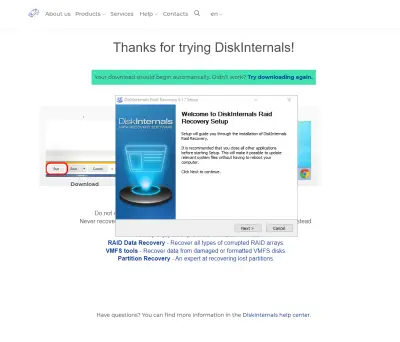
- If you haven't already, start the DiskInternals RAID Recovery software. It should automatically detect all connected drives, including the RAID drive you've attached.
2. Select the RAID Drive:
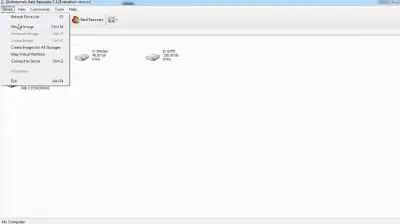
- From the list of detected drives on the main interface, locate and click on the RAID drive you wish to scan. This drive might be labeled based on its capacity, brand, or other identifiable information.
3. Initiate the Scan:
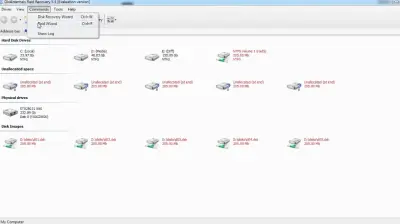
- After selecting the drive, you'll typically see an option labeled 'Scan' or something similar. Click on it to start the scanning process.
- Depending on the drive's size, the health of the drive, and the amount of data stored, the scanning process may take some time. Ensure that you don't interrupt the scan, as doing so might affect the results.
4. Choose Scan Type:
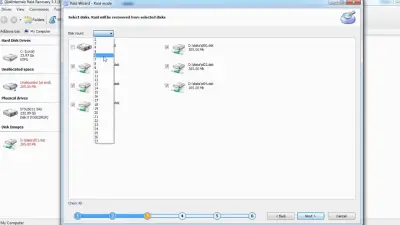
DiskInternals RAID Recovery might offer multiple scan types, such as:
- Fast Scan: This is a quicker scan that identifies recently deleted files or those areas of the drive that are easily accessible.
- Full Scan: A more comprehensive and time-consuming scan that delves deeper into the drive, aiming to recover files from formatted sections, older deletions, or areas affected by minor corruption.
For the best results, especially when dealing with potential RAID failures, opting for a 'Full Scan' is often recommended.
5. Monitor the Scan:
- As the software scans the RAID drive, it will typically display a progress bar or percentage to indicate how much of the scan is complete.
- Some versions of the software might also show real-time results, allowing you to see files as they are identified, even before the scan completes.
6. Review Scan Results:
Once the scan is complete, DiskInternals RAID Recovery will display a list or tree structure of all identified and potentially recoverable files.
- Preview: Many recovery software solutions, including DiskInternals, allow users to preview files before recovering them. This feature helps confirm the integrity and completeness of the detected files.
3. Recover Lost Files From The RAID Drives
After scanning the RAID drive and identifying the recoverable files, the next logical step is the recovery process itself. DiskInternals RAID Recovery offers a streamlined method to achieve this. Here’s a comprehensive guide:
1. Browse and Select Files:
- Review Files: After the scan, the software will display a hierarchical structure or list of all identified files and directories. Navigate through this structure to find the files or folders you wish to recover.
- File Preview: Utilize the built-in preview feature of DiskInternals RAID Recovery to ensure the selected files are intact and recoverable. This step helps in verifying file content before the actual recovery.
2. Select Files for Recovery:
- Individual Selection: Click on specific files or folders you want to recover.
- Bulk Selection: If you aim to recover a large number of files or complete directories, many software solutions, including DiskInternals, offer a 'Select All' or similar feature.
3. Initiate Recovery:
- Once you've made your selection, locate and click on the 'Recover' button (or a similar label) within the software interface.
- The software will then prompt you to select a destination for the recovered files.
4. Choose a Safe Destination:
- Different Drive: It's imperative to save the recovered files to a different drive or storage medium to avoid potential overwrites or further complications with the RAID drive.
- External Storage: Opting for an external hard drive, SSD, or USB flash drive is often a safe choice.
- Network Storage: Some advanced users might choose to save recovered data directly to network-attached storage (NAS) or another network location.
5. Monitor Recovery Progress:
- As with the scanning process, DiskInternals RAID Recovery will often display a progress bar or percentage to indicate the recovery progress.
- Ensure that the recovery process remains uninterrupted for optimal results.
6. Verify Recovered Data:
- Once the recovery is complete, navigate to the destination where you saved the recovered files.
- Open and check several files to ensure the recovery was successful and that the data integrity is maintained.
7. Backup:
After successful recovery, it's advisable to maintain a regular backup regimen for your important data to mitigate the risks of future data loss.
Note:
The efficiency of the recovery process is contingent upon various factors, including the RAID configuration, the nature and extent of the drive's damage or corruption, and the duration since the data loss occurred. Always ensure that you're using the most updated version of the recovery software and, if faced with complications, consider consulting with data recovery professionals or the software's support team.
Conclusion
Data loss in RAID configurations can be particularly distressing due to the intricate structure and purpose of RAID systems. They're designed to offer redundancy, performance improvements, or both, and often hold critical data for businesses and individuals alike.
The steps we've explored - from connecting a RAID drive to a computer, scanning it for lost files, and eventually recovering those files - underline the meticulous yet feasible process of Rapid RAID data recovery. With software like DiskInternals RAID Recovery, the intricacy of RAID systems becomes less of an obstacle, even for those not deeply versed in IT.
Related articles
- Features
- DiskInternals RAID Recovery vs ReclaiMe: Comprehensive RAID Recovery Solutions Compared
- Best FREE RAID Data Recovery Software (2026)
- SSD benefits for RAID array
- Mdadm RAID 1 not activating a spare disk Linux⠀
- Minimum disks for RAID 10⠀
- How to check RAID status? 4 different methods!
- Can RAID array have snapshots?
- RAID Array Metadata: What Is Inside?
- How Does RAID 5 on Windows 10 Work?
- What is FakeRAID?
- Hyper-V: Generation 1 vs Generation 2
- Bootable RAID Recovery Software: Complete Guide for RAID 0, 1, 5, 10 Recovery
- How to Rebuild RAID array
- What is Synology Hybrid RAID? What is the difference between SHR and RAID Drives?
- Btrfs vs. EXT4: A Comprehensive Comparison of File Systems in Linux (2025)
- RAID vs JBOD: performance and cost comparison⠀
- Complete Guide to RAID Controller Failure and Recovery: Expert Tips
- Comprehensive Guide to RAID in Cyber Security: Levels, Recovery, and Best Practices
- Raid Recovery Qnap⠀
- Best RAID for MySQL: RAID Configuration & RAID Setup for MySQL Databases
- Understanding Hardware RAID: Comprehensive Guide to RAID Levels and Benefits
- What Is a RAID Controller and What Are the Benefits of It?
- RAID Foreign Disk: Causes, Solutions, and Best Practices
- RAID 3 Explained: Benefits, Limitations, and Data Recovery Guide
- How to Resize RAID Partitions: Step-by-Step Guide for RAID 1, 5, 6 & 10
- Windows 7 RAID Recovery: How to Recover Data from RAID 1, RAID 5, and RAID 10 Arrays
- RAID Array Rebuild: How to Rebuild a RAID Array Safely and Recover Lost Data
- How to Check Which RAID Is Configured: A Complete Guide for Windows and Linux
- RAID 10 vs RAID 6: Which Better?
- What is software RAID? - Comprehensive Guide
- What is a RAID? RAID Systems Explained & How to Recover RAID Arrays with Professional Tools
- Best PCIe RAID Controller: Top Hardware PCI Express RAID Cards Compared
- Adaptec RAID Recovery: Restore Data from Failed Arrays with DiskInternals RAID Recovery™
- How to Rebuild RAID 0 Without Losing Data
- How to rebuild RAID 1 without losing data
- Raid Drive Array Recovery
- Best RAID Data Recovery Software for Linux
- How to Rebuild RAID Without Losing Data
- Forensic RAID Recovery
- AHCI vs. RAID: Pros, Cons & Differences
- Recovering RAID 5 After Controller Failure
- Best NAS hard drive recovery in 2026 | Top RAID network-attached storage Hard Drives
- RAID 50 vs RAID 10 - What is the difference
- What Is RAID Redundancy? | RAID Redundancy Explained for Data Protection
- Difference & Comparison: RAID vs. non-RAID System
- RAID Drives Explained: Learn How RAID Storage Enhances Performance
- Optimize RAID for Redundancy and Performance - Expert Guide
- RAID Level 4: What Is RAID 4, How It Works
- RAID 0 vs RAID 5: Speed, Performance & Key Differences (2026)
- How to Set Up and Configure RAID 10: Step-by-Step Guide
- SATA RAID Controller for ESXi: VMware ESXi Compatible SATA RAID Options
- RAID 10: How Many Disks Are Needed and How to Set It Up
- RAID 5 Rebuild Failure Probability: Risks, Factors, and Solutions in 2025
- SAN RAID Data Recovery: Recover RAID Arrays with Professional SAN Recovery Solutions
- RAID 6 with 6 Drives: Performance, Redundancy, and Best Use Cases
- RAID 5 Two-Disk Failure Recovery: Parity Recovery Beyond Tolerance
- ZFS Recovery software - How to recover deleted ZFS files
- How Many Drives for RAID 6?
- RAID 1 Speeds: Read, Write & Disk Performance | Speed Up RAID 1 Guide
- RAID 0 Data Recovery
- RAID Disaster Data Recovery: Techniques and Strategies for Handling Catastrophic Events
- RAID-1 vs RAID-5: Performance, Cost, and Data Protection Compared
- RAID Data Recovery evaluation. What is RAID data recovery?
- RAID 50 vs. RAID 6 – Key Differences
- Back up Active Directory Guide - Step-by-step Instructions⠀
- RAID Hard Drives Explained: What Is RAID for HDDs and External Drives
- Synology RAID 5 Recovery: Recover Your RAID Array with Expert Tools and Tips
- Windows Storage Spaces vs RAID: Performance, Speed, and Data Protection Comparison
- RAID Recovery Services
- RAID 50 vs. RAID 60 – Key Differences
- RAID 0 vs Single Drive Reliability — Failure Risk, SSD Comparison & Recovery
- Using SSD in RAID Array
- RAID 1 with 3 Drives: Everything You Need to Know
- How to Read RAID Drives & Recover RAID Arrays on Windows: A Guide
- Difference and Comparison - RAID 1 and RAID 2
- What is RAID in Linux? Learn About Software RAID & Recover RAID Arrays Easily
- Configuring RAID 5: Step-by-Step Guide on How to Configure RAID 5 for Performance
- ZFS Minimum Drives — How Many Disks You Need for RAIDZ1, RAIDZ2, RAIDZ3
- Differences Between Software RAID and Hardware RAID
- Recover Data from RAID 5 on mdadm (Linux)
- RAID 2 Array Explained: What Is RAID Level 2, Setup, and Performance Comparison
- RAID 5 VS RAID 6 - advantages and disadvantages
- How to Clone RAID 0, 1, 5 Disk
- RAID vs. backup - differences and benefits (RAID is not a Backup)
- Top 10 RAID Recovery Services: Best Solutions for Data Recovery
- RAID 0 vs RAID 1: Performance, Redundancy & Use Cases
- Recover Data from RAID on Linux
- How to recover data from a corrupted RAID?
- How Many Drives Are Needed for RAID 5? Minimum & Maximum Explained
- RAID 5 vs RAID 0+1: Key Differences Explained
- How to Set Up RAID in Windows 11: A Step-by-Step Guide
- Best RAID for 6 Disks: Compare RAID 0, 5, 6, 10, 50 & 60 for Performance & Redundancy
- Recover Data from Broken/Failed RAID Set
- What Is RAID 6? Definition, function
- ZFS vs Btrfs vs RAID: Comprehensive Storage Comparison for Performance, Reliability, and Scalability
- How to Recover RAID Array Configuration
- RAID Rebuild Time: What is and How to Optimize It?
- Understanding RAID 0: Benefits, Risks, and Applications
- QNAP RAID 5 Recovery Failed? Safe Data Recovery Steps for NAS Users
- SQL Server Database in Recovery Pending - How to fix it (2025)
- What is RAID 5? Overview and Key Functions
- Raid Rebuild Vs. Raid Recovery
- Guide to Recovering a Failed RAID Array | Step-by-Step Recovery Process
- RAID 50 vs. RAID 5 – Performance, Speed, and Data Protection Comparison
- RAID 0 vs. JBOD – Key Differences, Performance, and Speed Comparison
- RAID 1 Recovery: all you can do yourself
- How to Setup Raid 0 Windows 10 (11)?
- Ultimate Guide to RAID Data Recovery: Tips & Techniques
- RAID 1: How Many Drives Are Needed for Data Redundancy?
- ZFS Mirror vs RAIDZ — Performance, Capacity & Recovery Guide
- RAID Calculator Online – Usable Space & Disk Size Calculator for RAID
- The Truth about Recovering RAID 5 with 2 Failed Disks
- RAID Configuration Explained: Types, Setup, and Best Practices
- How to set up RAID 1 on Windows 10 and Linux
- How Many Disks Can Fail in RAID 5?
- Is RAID 0 Worth It in 2026? Risk, Performance, SSD & NVMe Guidance
- Recover Data from RAID 1 on mdadm (Linux)
- DiskInternals RAID Recovery vs EaseUS Data Recovery Wizard | Comprehensive Comparison
- RAID 0 failure - How to Fix Failed Raid 0 Array
- RAID Server Data Recovery
- RAID 0 vs RAID 10 and RAID 10 vs RAID 0 Performance Comparison
- BTRFS Restore File: How to Undelete Files and Restore Deleted Data Easily
- Recover Data from a RAID Array: Effective Solutions for Fast and Secure Data Retrieval
- RAID 7 — What It Is? Origins, Risks & Recovery Options
- What is RAID 1? RAID Mirroring
- SAS RAID Controller for VMware ESXi: Best Hardware RAID Options
- RAID 10: How Many Drives Can Fail? | Comprehensive Guide to Failure Tolerance
- Recover Striped RAID: Professional RAID 0 Data Recovery with DiskInternals RAID Recovery™
- How to Add a Disk to mdadm RAID 5: Step-by-Step Guide
- Configure RAID on Ubuntu – Step-by-Step Guide for RAID 0, 1, 5, and 10
- ZFS Recovery Tools — Data Recovery ZFS Guide & Best Software
- RAID 0 for Gaming — Is RAID 0 Good for Gaming? Performance & Risk Guide
- How to Remove software RAID device using mdadm
- NAS vs SAN storage - Detailed Comparison⠀
- Effective Btrfs File Recovery: Complete Guide to Btrfs Data Recovery
- RAID Hard Disk Data Recovery Software (2025)
- What is Synology Hybrid RAID (SHR). How to Recover Data from Synology Hybrid RAID
- How to Recover RAID Crash Data
- RAID 0, 1, 3, 5, 10 data recovery software for Windows 10
- Hyper-V Server Core installation vs GUI - let's compare⠀
- RAID 6 Data Recovery
- What to do if RAID array doesn't reassemble after reboot
- How to Rebuild RAID 5 Without Losing Your Data
- The best NAS RAID: how to choose⠀
- What are RAID 01, RAID 1+0 and RAID 0+1⠀
- What is Microsoft SQL Server and How Can You Use it Safely?
- Make Sure Your Data is Safe While Using Microsoft Storage
- What is nutanix ahv?⠀
- RAID 10 Recovery
- RAID levels 0, 1, 5, 6, and 10
- RAID 0: How Many Drives Are Needed?
- RAID Server Data Recovery: Recover and Restore RAID Arrays Fast with Professional Tools
- RAID Data Recovery for Deleted Arrays: Recover RAID Array Safely & Effectively
- RAID 0, 1, 5, 10 Explained: Performance, Redundancy & Best RAID Configurations
- How to Recover Data from a Broken RAID 1 Set – Step-by-Step Guide
- RAID 6 Drive Failure Tolerance: How Many Drives Can Fail?
- RAID 50: Drive Failure Tolerance and Data Recovery Solutions
- 15 Best External Hard Drives for RAID in 2026
- RAID 0 vs RAID 1 vs RAID 5 vs RAID 10 — Performance, Capacity & Recovery
- Best RAID for OLTP: RAID Configuration for OLTP Workloads & Transactional Databases
- Best RAID for NVMeoF: NVMe RAID Configuration & NVMe over Fabrics RAID Setup
- RAID 0 Backed by Versioned Backup: Is RAID 0 Safe with Versioned Backups?
- How to set up RAID in Windows 10 in 2025
- How About RAID 1 Reliability?
- RAID 5: How Big Should an Array Be?
- What Are Some Common Symptoms of RAID Array Failures?⠀
- Hyper-V Virtual Machine Replication⠀
- Difference Between Type 1 and Type 2 Hypervisor?⠀
- RAID 4 Data Recovery: How to Perform It⠀
- How to Recover RAID partition - step by step guide⠀
- Hyper-V Manager - what is it?⠀
- How to Run Linux on a Hyper-V VM in 2025
- What to do if you get Microsoft SQL Server error 18456?
- What Is a Hot Spare? Peculiarities of Usage
- What is JBOD?
- RAID Recovery Software
- RAID 3 vs RAID 5: which one would you prefer?
- Basic Disks vs Dynamic: What is the Difference
- Global Hot Spare vs Dedicated Hot Spare: Find the Difference
- How to downsize hardware RAID partition and protect data
- RAID 6: Replace Two Dead Drives
- Perform Hyper-V Data Recovery Today
- How to Install Hyper-V in Your Environment in 2025
- Hyper-V Live Migration - what is it?⠀
- Hyper-V Snapshot Merge
- What is System Center Virtual Machine Manager⠀
- Guide: Linux Raid and Disk Data Safety
- Is it worth using RAID 5E/5EE?
- Let's compare: Synology vs QNAP
- What is RAID Connectivity? Essential Guide to RAID Array Setup
- RAID recovery software for Mac⠀
- Understanding RAID 6 Performance: A Comprehensive Guide
- What is a RAID Volume? Understanding RAID Volumes and Recovery Solutions
- Recover Data from Old RAID Drives | Best Methods & Software for RAID Recovery
- Encrypting RAID Arrays — RAID with Full Disk Encryption & Secure Setup
- RAID 10 with 8 Disks — Configuration, Performance, Rebuilds & Best Practices
- RAID 6 Double Parity Calculation Explained – Data Protection Insights
- A Comprehensive Review of RAID Recovery Software: Choosing the Right Tool
- What is RAID Data Recovery? | Recover RAID Arrays with RAID Recovery Software
- ZFS RAID Expansion: How to Expand RAIDZ and ZFS Pools Safely
- RAID 5 with 3 Disks: Configuration, Benefits, and Performance Insights
- How to Create RAID 5 with 6 Disks: Complete Setup Guide and Performance Tips
- How to Fix Degraded RAID 1: Step-by-Step Guide to Restore RAID 1 Degraded Arrays
- Why RAID 1 Is Not a Good Substitute for a Backup
- Cannot Format Old RAID Drive? Effective RAID Data Recovery Solutions
- Fault Tolerance in NVMe-oF RAID — Rebuild Time, Data Protection & Redundancy
- Best Practices for RAID over NVMe-oF — Tuning, Monitoring & DR
- RAID 0 vs Single Drive — SSD, NVMe & HDD Comparison (Performance vs Risk)
- RAID 0 for 4K Editing — Is RAID 0 Good for 4K Video Editing?
- RAID 0 for Large File Workloads: Scratch Disks, NVMe, When It Makes Sense
- RAID 0 vs. SSD Performance: PCIe 4.0, PCIe 5.0 Speed Compared
- RAID 0 Redundancy vs No Redundancy — Does RAID 0 Have Redundancy?
- Does RAID 0 Increase FPS? — RAID 0 vs Single Drive FPS Guide
- RAID 5 Interrupted Rebuild Recovery: Fix Stopped or Aborted Rebuilds
- RAID 0 Failure Probability with N Disks Explained
- RAID 1 Corrupted Mirror Recovery: How to Recover a Damaged RAID 1 Mirror
- When RAID 0 Is Acceptable: Use Cases, Risks, and When You Should Use RAID 0
- RAID Best Practices for VMware: Best RAID Configuration for VMware ESXi
- RAID 10 Best for VMware: Why RAID 10 Is the Recommended RAID for ESXi
- Best RAID Controller Guide: Hardware RAID Cards Compared for Servers and SSDs
- RAID Controller for ESXi: VMware ESXi RAID Controller Recommendations
- RAID Controller for Linux: Best Linux-Compatible Hardware RAID Controllers
- Dell RAID 1 Recovery: How to Recover Data from RAID 1 on Dell Servers Safely
- Dell RAID 5 Recovery - Safely and Fast
- RAID 5 vs RAID 10 comparison: Which one is better for you?⠀
- HDD Raid Vs SSD Raid Storage Systems - How to move⠀
- Benefits of RAID arrays - what are the advantages of RAID?⠀
- RAID 10 vs RAID 01: Is There Any Difference?
- Perform RAID 50 Data Recovery Today!
- RAID Consistency Check: Ensure Data Integrity & Recover Lost Data
- RAID status degraded - fix it⠀
- RAID Array Growing: How to Perform It
- How To Create RAID Arrays with mdadm on Ubuntu (22.04)
- What is RAID-Z? Its Difference Between RAID-Z2 vs RAID-Z3
- Do You Need to Defragment RAID?
- Does chunk size influence the speed of RAID?
- RAID 0, 5, 6, 10 Performance
- Which RAID is Better to Use for 4 Drives
- RAID Array for Video Editing: How to Choose
- About Hyper-V clusters
- Hyper-V network adapters⠀
- Set Up and Use Microsoft SQL Server Management Studio
- Microsoft SQL Server Express Guide
- Use Microsoft Windows Server Safely
- Microsoft Storage Spaces
- Xserve RAID data safety
- Apple RAID Card Data Recovery
- Here is Everything You Need to Know About RAID-Z Technology
- RAID Redundancy - best performance solutions⠀
- Here is How to Backup RAID in 2025
- No hard drive detected or disk controller not supported in RAID
- Issue with the RAID after the BIOS update
- Synology RAID Set That Is Broken or Crashed? RAID data recovery
- Here is How to add drive to RAID 5 in 2025
- Buffalo Data Recovery
- NAS as a File Server: NAS vs. File Server Comparison for Storage and Sharing
- RAIDZ1 vs RAID 5 — Performance, Integrity & Recovery Comparison
- Difference between RAID 2 and RAID 3
- Difference between RAID 4 and RAID 5
- Difference between RAID 3 and RAID 4
- RAID Data Recovery Cost: Affordable Solutions for RAID 0, RAID 1, RAID 5, and RAID 10 Failures
- ZFS vs mdadm RAID — Why choose ZFS instead of RAID
- X-RAID Recovery: Expert Guide to Netgear X-RAID and ReadyNAS Data Recovery
- XFS RAID Recovery Guide & Best XFS RAID Recovery Software
- What Is RAID 1E? Performance RAID 10 1E vs RAID-1E Guide for Power Users
- SCSI RAID Recovery Software: Effective Solutions for SCSI RAID Data Recovery
- ReiserFS RAID Recovery: How to Restore Data from Failed RAID Arrays
- RAID in Cloud Storage Systems — SDS, Virtual RAID & Erasure Coding Guide
- RAID Degraded — What to Do | Warning Fixes & Rebuild Failed Steps
- RAID 5 RAID 6 RAID 10 - Key Differences and Performance Comparison
- RAID 1E vs RAID 5: Performance, Capacity and Failure Risk Compared
- RAID 1E vs RAID 10: Performance, Capacity, Cost & Failure Risk Guide
- RAID 1 vs RAID 5 vs RAID 10 Performance Management, Speed & Capacity Guide
- Open Source RAID Recovery Software Explained and Comparison
- MDADM RAID 0 Recovery: Expert Guide to Fix and Recover Your RAID Array
- Intel RAID 0 Recovery & RAID 1 Recovery: Solutions for Data Loss & Recovery Tools
- Is RAID 0 Obsolete? RAID 0 with SSD and NVMe — Still Worth It?
- Intel Matrix RAID Recovery: Restore RAID 0, 1, 5, 10 with Reliable Solutions
- Ext3 RAID Recovery Guide - Data Recovery RAID Ext3
- ASUS RAID Recovery Guide - Fix Failed ASUS RAID
- RAID 5 Data Recovery Step by Step
- NAS vs External Hard Drive: Comprehensive Guide to Choosing the Best Data Storage Solution
- NTFS RAID Recovery: Comprehensive Guide to Data Retrieval
- What is Xserve RAID? Comprehensive Guide and Overview
- Understanding RAID 60: Architecture, Advantages, and Data Recovery
- Understanding RAID Striping: A Comprehensive Guide to Disk Striping and Its Variants
- ZFS RAID Setup Guide: Configuration, Management & Expansion
- Comprehensive Guide to ZFS RAID Levels, Types, and Configurations
- ZFS vs RAID: Comprehensive Comparison of Performance, Reliability, and Features
- RAID 1 Minimum Drive Requirement: How Many Drives Do You Need?
- HP RAID Recovery Tool | How to Recover Data with DiskInternals RAID Recovery Software
- Best RAID Software for Mac | Top Free & Paid RAID Tools for macOS 2026
- RAID System Recovery: Essential Steps & Best Software for Safe Data and File Restoration
- RAID Recovery Volume: Effective RAID Array Recovery Solutions for Data Loss Prevention
- Synology RAID 1 Recovery: Recover RAID Array with Trusted Tools and Expert Solutions
- Interim Recovery RAID 5: Expert Guide to Data Recovery and RAID Array Repair
- Change log for RAID Recovery™
- RAID Restorer – Recover Data from Failed RAID Arrays with Reliable Software
- ZFS RAID with Different Size Drives – Setup, Limitations, and Best Practices
- RAID 6 with 5 Drives: Configuration, Performance, and Data Protection
- RAID 6 with 8 Drives: Configuration, Failures, and Performance Explained
- RAID 5 with 5 Drives: Configuration, Performance & Recovery | RAID 5 5 Drives Guide
- RAID Reconstructor on Broken RAID Arrays
- How to Repair a Failed RAID?
- HDD RAID vs SSD RAID and Combining Both: Everything You Need to Know
- Recovering Data from RAID Drives: Step-by-Step Guide to RAID Recovery
- NAS Data Recovery Software & Tools for RAID Recovery
- RAID Calculator For Geeks – Estimate Usable Space & Drive Size