
How to Recover Deleted Data from Empty Recycle Bin?
The recycle bin serves a purpose by temporarily storing your deleted files so that you may quickly recover them if you later realize that you need one or more of them. But, unless you use some sophisticated techniques, it is practically difficult to recover a deleted file from the recycle bin.
All Windows OS machines, starting with Windows XP and up to the most recent Windows 11, come with a standard Windows recycle bin folder. When Windows is installed, it is one of the default desktop icons. This article shows how to recover data removed from the recycle bin in case you unintentionally empty the recycle bin folder and need to retrieve those items back.
What Happens When You Delete A File?
On a Windows computer, selecting a file or folder and pressing the delete key immediately sends the item into the recycle bin. But, if you simultaneously hold down the SHIFT key and click the delete key, the item skips the recycle bin and is totally removed from the computer.
Before being permanently deleted from the computer, files in the recycle bin folder are kept there for thirty (30) days. But just because the files were "totally wiped" doesn't mean they can't be recovered! A deleted file really stays on a portion of the hard disk until it is overwritten with fresh data, regardless of whether it was removed from the recycle bin or by pressing SHIFT+DELETE.
So, if you discover you made a mistake by deleting a file/folder you shouldn’t have removed, there are still chances of getting it back. However, this may require the use of a third-party data recovery software app like DiskInternals Uneraser.
Is Recycle Bin Recovery Possible?
Recycle bin recovery refers to getting back previously deleted or erased files and folders from the recycle bin folder. Sure, you can accomplish this if you utilize the appropriate built-in tools or outside software solutions.
But then, you can only recover files that are not yet overwritten; if the erased files are already overwritten with new data, you can’t get them back.
So, it’s advisable to act fast whenever you make the mistake of deleting files from the recycle – you should be fast enough, or the files become overwritten, and you won’t be able to get them back.
How To Recover Deleted Data from the Recycle Bin
If you haven’t emptied the recycle bin, recovering a mistakenly deleted data/file/folder is very easy. Below are the two quick and non-technical methods to retrieve files from the recycle bin when it is not emptied yet.
1. Press CTRL + Z
CTRL + Z is the shortcut for undoing recent actions or changes on a Windows computer; it can also help you in this situation. If you just deleted the file or folder, quickly press CTRL+Z, and the file will be restored to its previous directory. If you delete multiple files, continue pressing CTRL + Z until all the files are retrieved. Check for the files in their respective directories to confirm they have been retrieved.
2. Re-Check the Recycle Bin
If it’s been a little long since you deleted the file but haven’t wiped the recycle bin since then, then you should open the recycle bin folder and re-check the file there. You may even use the “Search Bar” to look up the file name and see if it’s still available in the recycle bin. Once you find the file in the recycle bin, select it and click “Restore” to recover it to your PC.
Restore Data From Backups
If you have made backups of your files at some point, you can recover the deleted files from those backups.
A. Backup Drive
Your backup drive could be an external HDD, SSD, network storage, or USB flash drive. Whatever your backup drive is, you can recover your lost files from it.
- Connect your external drive to the computer system
- Open File Explorer, select the connected external drive, open it, and look for the lost files
- When you find the file, copy it from the backup drive to your primary storage
That’s it! Your files are back.
B. File History
The File History feature lets you easily get back previous versions of your files. It is a built-in Windows OS feature accessible from the control panel. Here is how to use Windows File History to retrieve lost files.
- Windows Key + R to launch the Run dialogue box
- Enter “Control” and hit the enter key to launch Windows “Control Panel”
- Look out or search for the “File History” feature and open it
- Select any of the available backups to restore from
Note: File History only works if you activated the feature earlier and backed up “a history” of your files to another storage drive. If File History is not previously activated on your PC, it won’t work – you will need to try other methods.
C. Backup & Restore
Another free utility available on Windows OS is the “Backup & Restore” feature, which is equally available from the control panel page. This feature is similar to the File History feature in the sense that you need to activate it prior to the deletion.
- Windows Key + R to launch the Run dialogue box
- Enter “Control” and hit the enter key to launch Windows “Control Panel”
- Look out or search for the “Backup and Restore” feature and open it
- Under the Restore section, you can select to restore your files if you had earlier activated the backup option.
D. Previous Versions Utility
Microsoft knew that data loss was imminent, so it provided a lot of data recovery tools built into its system. Like the previous ones explained above, this is another free utility tool available on Windows Control Panel.
- Create a new file or folder and name it exactly the same name as the one you mistakenly deleted. If you can’t remember the exact file/folder name, try other methods because this one won’t work.
- Make sure the file or folder is saved in the same directory as the deleted/lost one.
- Now, right-click on the file/folder and select Properties.
- Toggle to the “Restore previous versions” tab, and you will see the available histories of the file/folder – you can restore anyone you wish to.
Recover Files with Data Recovery Software
Using a third-party recovery software is one of the surest ways to ensure you will get back the lost files. DiskInternals Uneraser is a professional software app that lets you UNDELETE files that were removed from the recycle bin. It also comes with many features, including a built-in Recovery Wizard that guides the user throughout the recovery process.

With DiskInternals Uneraser, the chances of getting back your files are over 99 percent. The software runs on all Windows OS computers, from Windows XP to Windows 11.
Step One: Install the Software
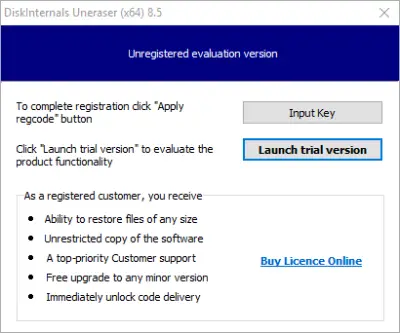
First things first, you have to install the Uneraser software on your computer system and launch it to recover your files.
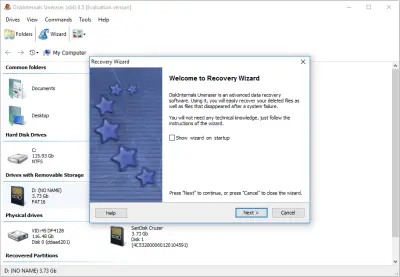
Second Step: Select the Drive and Scan
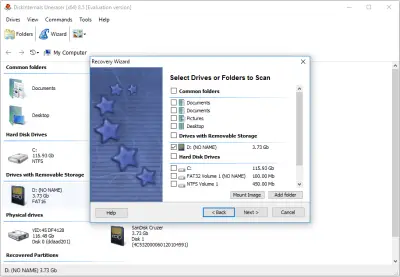
Select the primary storage disk used by your computer and choose Full Recovery mode. Fast Recovery mode may not recover files deleted from recycle bin, so Full Recovery mode is the best to use.
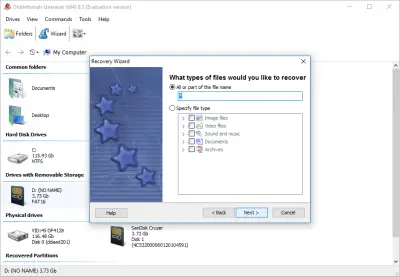
Third Step: Preview the Recovered Files
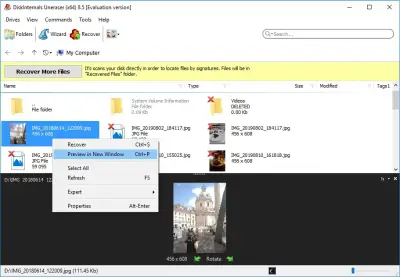
After the scanning is complete, the deleted files will appear with a red asterisk to separate them from the existing files on your drive. You can preview the recovered files to confirm they are the actual data you were looking out for. Once the files are confirmed, you can save them back to your PC (on another storage).
Fourth Step: Recover
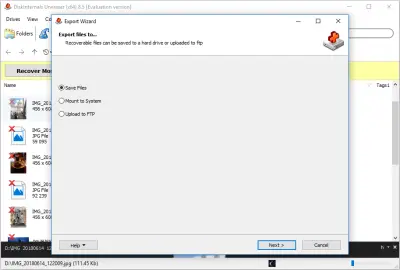
You will need to recover the files back to another storage drive – you can’t save them back to the same drive where they were lost from. DiskInternals Uneraser also lets you export the files to remote storage via FTP.
Protecting Files From Accidentally Emptying the Recycle Bin
There are a few practices you can do to protect your files from getting lost unnecessarily. The most interesting thing is that these practices are completely safe and easy to do. Following them keenly will keep your files safer, and you may never need to look out for a data recovery solution.
1. Always Back Up Your Data
Try to always back up your important data to the cloud or external drive. Windows computers typically come with OneDrive built into them; you can set up synchronization with the cloud technology to do regular backups.
Some people even purchase dedicated backup storage devices or use a data recovery software tool. Aside from OneDrive, other good cloud data backup services include Google Drive and Dropbox, and they also have free plans.
2. Get an Uninterrupted Power Supply
An uninterruptible power supply, or UPS, retains power even when electricity is off. It saves your computer system from shutting down immediately after power goes off. Sudden shutdowns can lead to hard drive failures, which consequentially leads to data loss. So, getting a UPS can save you a lot of these stresses.
3. Hardware Maintenance
Always ensure that your hard drives are well maintained. Don’t subject your PC to overheating or excessive vibrations – such conditions can damage the hard drive and lead to data loss. Also, don’t let your hard drive sustain physical damage.
4. Install a Valid Antivirus Application
Many people frown against antivirus applications, but they are still relevant in combating malware and virus attacks. Always make sure your antivirus apps are up to date and it is activated to protect your system. Using a computer without an active antivirus protection app is very risky – the PC could get attacked at any time, and your files will go missing!
5. Don’t Overclock!
Yes, overclocking your computer can boost performance and give you more speed to carry out specific tasks. But then, overclocking your computer can affect the drives and motherboard because it means exposing them to higher performance. Overclocking can make your computer’s drives fail much earlier than they are built to last.
6. Use High-Quality Hardware Components
If, peradventure, one of your system’s hardware components fails, get a high-quality one when replacing it. For example, if your PC comes with an HDD, and then the HDD fails, maybe you should switch to an SSD when replacing it. But if you must use an HDD again, ensure you buy an original one.
7. Check TRIM Status for SSD
If you use SSD, ensure to check the TRIM status; it is important to leave it active. However, if you discover that you’ve lost files already, disable TRIM to avoid permanent loss of the files/data.
Any Other Method to Restore Deleted Files from the Recycle Bin?
So far, this article has explained many ways to restore files deleted from the recycle bin. Notwithstanding, there is one more method worth mentioning.
Using Command Prompt
Yes, you can use the CLI command to unhide the deleted files from where they are hidden on the hard drive and then recover them. Hereunder are the steps to achieve this:
- Right-click on Start and select PowerShell (Admin)
- Type chkdsk D: /f and press Enter (replace “D” with your primary drive’s drive letter)
- Press Y until the command line reappears
- Type the drive letter and hit Enter
- Now, run this command: ATTRIB -H -R -S /S /D D:*.*
This will unhide hidden folders, and those folders may contain the files you were looking for. The Filenames will be shown in a generic form.
Conclusion
Conclusively, this comprehensive article details every possible means of recovering files lost from the recycle bin. Your best bet is to use DiskInternals Uneraser, but if you don’t want to use a third-party solution, Windows OS offers many built-in tools.
FAQ
How to restore Recycle Bin icon that has disappeared from desktop?
1. Select the Start button, then select Settings
2. Select Personalization > Themes > Desktop icon settings
3. Select the RecycleBin check box > Apply
How to recover files deleted from the Recycle Bin on Windows 10?
1. Open the Recycle Bin by double-clicking on its icon
2. Locate the items that you want to recover
3. Check the box next to the files or folders you want to retrieve
4. Right-click and select Restore to recover the items to their original locations
Can I recover deleted files that were too large for Recycle Bin?
The storage space and the files you stored on the computer will be times larger than on a phone. So there is no need to set a time limit. When the files you deleted exceed the size limit, they will be permanently deleted, making it impossible to directly recover files from Recycle Bin. Use DiskInternals Uneraser for fast deep recovery of lost or corrupted files.
How do I recover permanently deleted files from the Recycle Bin?
1.Double-click the Recycle Bin icon on your desktop
2. Locate the deleted files you want to recover
3. Select the deleted files
4. Right-click any of the selected files
5. Choose the Restore option to move them back to their original location
Where do deleted files go after the Recycle Bin?
Where do files go after being deleted from the Recycle Bin? They don't go anywhere! Windows simply marks the storage space they occupy as free, allowing other files to be stored on it. Until the original files are overwritten, you can recover them with DiskInternals Uneraser data recovery software tool.
Related articles
- Accidentally formatted SD card
- How to recover permanently deleted files in Windows 10
- Recover Formatted SD Card
- Unformat SD Cards at Home: how to do it safe
- Unsupported SD card and how to fix it
- If external hard drive not working or responding
- An application was unable to start? Fix the 0xc000007b error!
- The computer is low on memory? You can fix it!
- [Solved] Command Prompt keeps popping up? Stop it!
- [Win] Failed to Transfer Logged Messages with Status 50 Issue
- If Windows resource protection found corrupt files
- ‘The device is not ready’ error occurs: your actions
- Let’s fix ‘SD card won't format’ issue
- Recover a USB Stick That Wants to be Formatted
- How to Fix/Repair Corrupted USB Drives Without Formatting 2026
- How to Find Deleted Videos from YouTube - 2026 Guide
- How to Recover Data from Dead SSD (FIX Dead or Crashed SSD)
- Here is how to convert Tiff to PDF on Windows 10, macOS or online
- How to Recover Files From a Corrupted USB Flash Drive (2025)
- What to do if the Process System isn't responding?
- How To Recover Files Deleted From Recycle Bin? - Best Metods in 2026
- Recover Deleted PDF Files: A Step-by-Step Guide
- How to Recover Permanently Deleted Videos From Your Computer
- The semaphore timeout period has expired error
- Can you fix a corrupted micro SD card?
- CF Card Recovery - All That You Wanted to Know
- Damaged SD Card Recovery
- Deleted photos? Recovery is possible!
- File recovery from SSDs
- Guide: How to recover deleted files in Windows 7
- Guide: How to Recover Permanently Deleted Files in Windows 8
- Hard drive file recovery process
- How to fix a corrupted SD card
- How to fix a damaged SD card
- How to make Cr2 File Recovery by yourself
- How to read a corrupted SD card
- How to recover a deleted file
- How to recover deleted files from a memory card
- How to recover deleted files from external hard drive
- How to recover deleted files on SD cards
- How to recover files from a corrupted micro SD card
- How to recover photos from a formatted SD card
- How to Repair a Damaged SD Card without Formatting
- How to save a damaged SD card effortless?
- Make SDHC Card Recovery Today!
- Photo Recovery From SD Card
- Provide flash Drive Recovery Today!
- Recover Deleted Files from the Recycle Bin
- Recover deleted photos from SD card
- Recover deleted photos on Windows 7 today
- Recover Hidden Files in USB Drive - 4 Great Methods!
- Recover Lost Photos Right Now!
- Recover memory card
- SD card corrupted? Recover it!
- SD card deleted file recovery
- SD Card Recovery
- Solution to recover deleted photos on Windows 10
- 8 Best USB Flash Drive Repair Tools in 2025 | Pen Drive Repair Tools
- Undelete files in Windows 10, 11: fast and effortless
- [Solved!] Undelete files and how you can do it
- Windows 8: recover deleted photos
- Deleted or lost PNG image? Recover it today!
- Desktop icons missing? Recover them and your files!
- Invalid value for registry on JPG/JPEG/PNG files? Fix it!
- Need to Recover deleted TIFF files? It's easy!
- PDF Recovery: how to restore a corrupted PDF file
- JPEG Recovery - Restore or Repair corrupted JPEG Photos and Images
- Recover Unsaved or Deleted PSD Files Today!
- Recover USB Files Without Formatting
- [Solved] The system cannot find the file specified
- Windows 10, 11 slow? Solve the problem!
- Recover Illustrator files today!
- USB error code 43? You can easily solve it!
- Windows 10 can't open JPG file? 5 Methods to fix it!
- 'Class not registered' Issue on Windows 10
- USB drive keeps disconnecting and reconnecting
- Desktop location is not available
- Recover photos from SD card on Android
- Best methods on how to fix JPEG error #53 are here
- Deleted MP3 file: a recovery guide
- Perform GIF recovery: all you need is here!
- [Solved] How to get pictures off a broken phone
- BMP file recovery: restore deleted .bmp files now!
- The file is too big for the destination file system
- For what Windows old folder needs? How to delete it?
- What are EPS files and how to restore them
- [Solved!]What to do if File Explorer keeps opening
- Best way to backup photos
- Recycle Bin is corrupted in Windows? Fix it!
- SVG file recovery with Uneraser
- How to free up disk space? Find out it today!
- What is ORF file and how to recover it
- Perform WebP file recovery today!
- Testimonials for Uneraser
- 6 Ways of How to Transfer Files from PC to PC
- Recover NEF files: perform it fast and easy!
- Recover an SD card files using CMD
- How to perform 3DS SD card formation
- SD Card Music Recovery: All You Need to Know
- [Windows7] How to Free Up My Disk Space
- Device Descriptor Request Failed? Fix It!
- If You Cannot Delete the Folder
- Wsappx lead to high CPU usage? Fix the issue!
- Defrag SSD: Is it worth it?
- Do You Need to Defragment a Hard Drive in Windows10?
- Recover an InDesign File - All You Wanted to Know
- OGG File Recovery - All You Need is Here
- [Error] HP Laptop Has a Black Screen
- Fix the Issue: Windows Installer Service Could Not Be Accessed
- Cannot open volume for direct access
- How to Upgrade Windows10 From 32-Bit to 64-Bit Safely
- How to Speed Up Windows 10? Find the Solution!
- Having Bad Image Error on Windows 10, 11? Fix It!
- Windows 10, 11 Sticky Notes Missing
- Fix the Issue: Recovery D Drive is Almost Full on Windows 10
- How to Defrag(Optimize) an External Hard Drive
- Windows 10, 11: Optimization for SSD
- An Issue: Windows could not complete the installation
- How to Fix Windows kb4023057 Update Issue
- The program can't start because msvcr110.dll is missing
- Hard Disk Full But No Files
- How to Recover Files Deleted by Avast Antivirus | Avast Restore (2025)
- If the external hard drive keeps disconnecting in Windows 10
- How to recover deleted Skype messages
- If your hard drive shows up in Disk Management
- Incremental vs differential backup - what is the difference
- Retrieve lost game data on Steam
- If you get an audio lag issue in Windows 10
- How to get back old photos
- Recover an orphaned file
- Windows Audio Device Graph Isolation
- What if Windows 10, 11 Keyboard is Not Working
- Windows 10 mouse lag
- If you have problems with Windows 10 Bluetooth drivers
- Fix no audio output device is installed Windows 10
- How to recover / retrieve a screenshot
- When Alt-Tab is not working
- When screensavers don’t work
- Format a USB drive to a new file system
- Set up allocation unit size while formatting SD card
- The difference between SDHC and SDXC
- How to clear cache in Windows 10?
- Recover overwritten files
- Recover shift deleted files
- How to recover deleted music files? Only workable solutions
- How to access Device Manager in Windows 10, 11?
- What if Windows 10, 11 apps won't open?
- Change the file extension in Windows 11, 10, 8, 7
- exFAT vs NTFS comparison
- Here is everything you need to know about TF Card
- File system error (-2147219196) occurs: your actions?
- The Device is Unreachable? Fix 0x80070141 Error Now!
- How to Convert PDF to JPG in Windows 10
- Here is How to Convert a PDF to a Microsoft Word Document
- How to Restore Deleted/Lost Files from Seagate Drive?
- What to do if Photoshop says it is not a PNG file?
- What to Do if SD Card Needs to Be Formatted?
- What to do if Gimp eraser is not working?
- Top Free Photo Editing Software for Windows 10
- Here is how to convert M4A to WAV safely
- Here is how to resize an image in Gimp safely
- Guide: convert AVI to GIF
- Guide: Convert M4B to MP3
- How to convert DDS to PNG
- Here is how to convert MOV to GIF
- Here is how to convert AIFF to MP3
- A device attached to the system is not functioning: fix
- What to do if iPhone photos disappeared?
- What OTG connection is? How to use it?
- Here is How to Protect Your SKP Format Files
- 3 Tips on How to Find Deleted iMessages
- Here is How to Recover Deleted Files on Android Phone
- Here is How to Use Word to JPG Converter Safely
- Here is How to Convert Excel to CSV Files Online
- What to Do if the iPhone is Not Showing Up on the PC?
- Why won't pictures import to the computer?
- Here is how to convert ICO to PNG
- Convert HEIC to JPG
- Here is how to convert ePUB to PDF
- Here is how to convert PDF to Publisher
- Here is how to lower disk usage
- Here is how to convert FLV files to MP4 safely
- Need to convert MTS files to MP4? Let's do it!
- Let's convert ODT files to PDF format
- Recover Deleted Files on Windows 10, 11 in 2025
- SD Card Recovery: How to Recover Deleted Files From an SD Card (2025)
- How To Recover Deleted Files After Emptying Recycle Bin
- Laptop Data Recovery: How to Recover Files from Dead Laptop Hard Drive in 2025
- Best Free SD Card Recovery Tools in 2025
- Best Free USB Format Tool in 2025 - Format a usb flash drive
- How to restore deleted Instagram posts - Instagram Photo Recovery 2025
- How to Format an SD Card for GoPro Camera (2025)
- SanDisk Data Recovery Software - Recover Deleted & Lost Files from SanDisk [2026]
- How to Retrieve a Deleted Voicemail on Android - Methods and Tips (2025)
- How to Recover Deleted Myspace Photos [2026]
- Fix: USB drive says no media in Disk Management
- Best VMware Backup and Recovery Tools - How to Backup VMware Data
- How to Recover Deleted History on Google Chrome on Windows
- How to Recover Virus infected/attacked Files from USB Dirve and Pen Drive (2025)
- How to Recover Permanently Deleted Videos on Your Android Device
- How to Recover Deleted Videos on Android Phone (2025)
- Best Data Recovery Software for Windows (2025)
- How to Recover Permanently Deleted Photos from PC in 2025
- A Step-by-Step Guide to Fixing OBS Lag
- How to Recover Deleted Videos from Your Ring Doorbell Camera
- How to Recover Deleted DNG File
- How to Repair DNG Files (Corrupt/Damaged)
- Best Data Recovery Software for Windows 10 (2025)
- How to fix corrupted memory card
- How to undelete files in Windows 7/8/10
- How to undelete files on Mac file system
- Recover permanently deleted files from a PC
- Recovering Permanently Deleted Files: Possible or Not?
- DiskInternals unique technology
- Recover Deleted Audio, Video and movies
- Recover Deleted Word documents
- Recover digital photographs and graphics, Undelete pictures
- Undelete files. Undelete zip. Unerase rar. Restore CAB files