
How to Restore VHDX File: Step-by-Step Guide for Restoring to HDD, Disk, and More
VHDX files play a crucial role in storing the data that powers virtual hard drives. As the primary file format used by Microsoft Hyper-V, VHDX offers several advantages over its predecessor, VHD, including larger storage capacity, enhanced data protection from corruption, and improved performance. These features make VHDX files an essential component of virtualized systems, ensuring efficient storage management and reliable data operations. However, when these files become corrupted or inaccessible, it can severely impact the operation of virtual machines. Understanding the importance of VHDX and knowing how to repair-VHD (VHDX) files is key to maintaining seamless virtual machine environments.
Methods to Restore VHDX to a Physical Disk
Restoring a VHDX file to a physical disk is a crucial task when moving virtualized environments back to physical hardware. Below are detailed methods to achieve this using Hyper-V Manager and PowerShell, covering key considerations such as partition alignment, drive capacity, and integrity checks to ensure a smooth process.
1. Recover VHDX File to Physical Disk Using Hyper-V Manager
Hyper-V Manager provides a graphical interface that allows for the export and restoration of virtual hard drives like VHDX. Follow these steps to repair VHDX file to a physical disk:
Steps:
- 1. Prepare the Physical Disk: Ensure that the physical disk has enough capacity to hold the data from the VHDX file. It’s crucial to check for proper partition alignment to avoid performance issues after the restoration.
- 2. Convert VHDX to VHD (Optional):
- If the target system or disk does not support VHDX, convert the VHDX to VHD using Hyper-V Manager or PowerShell.
- In Hyper-V Manager, right-click on the virtual machine using the VHDX file, go to Edit Disk, select the VHDX file, and choose the Convert option.
- 3. Attach the VHDX to a Virtual Machine:
- Attach the VHDX file to an existing or new virtual machine in Hyper-V Manager.
- Start the virtual machine and verify that the VHDX file operates properly.
- 4. Clone the VHDX to the Physical Disk: Use a disk cloning tool to clone the VHDX file's contents to the physical disk. Third-party tools like Disk2vhd or Acronis can be used for this purpose.
- 5. Validate and Complete the Restoration:
- Once the cloning process is complete, safely eject the physical disk and connect it to the physical machine.
- Perform integrity checks to ensure that the data has been transferred correctly and the partitions are properly aligned for optimal performance.
2. Restoring VHDX to Physical Disk Using PowerShell
PowerShell offers a more direct and scriptable method for restoring a VHDX to a physical disk, making it ideal for automation and bulk operations.
Steps:
- 1. Prepare the Physical Disk:
- Connect the physical disk to the system and ensure that it has sufficient space to accommodate the VHDX file.
- Make sure the disk is unformatted or has been wiped clean before starting the process.
- 2. Mount the VHDX File:
- Open PowerShell with administrative privileges.
- Use the
Mount-VHDcmdlet to mount the VHDX file:
Mount-VHD -Path "C:\Path\To\Your\VHDXfile.vhdx"
- This will mount the VHDX file as a virtual disk, and you will see it in Disk Management.
- 3. Copy Data to the Physical Disk:
- Once mounted, the VHDX file will appear as a virtual disk. You can now use PowerShell to copy the partitions and data to the physical disk using the
ddutility or a disk cloning tool. - Alternatively, use the
DiskPartcommand to manually format and partition the physical disk if needed.
- 4. Use the
ddCommand (for Unix-based environments):
- If you’re running a Unix-based system, use the
ddcommand to copy data from the VHDX file to the physical disk:
sudo dd if=/dev/virtualdisk of=/dev/physicaldisk bs=64K conv=noerror,sync
- This will ensure that the entire VHDX file contents are transferred to the physical disk.
- 5. Check Partition Alignment:
- After the data has been transferred, check partition alignment to avoid performance degradation. This can be done using Disk Management or PowerShell:
Get-Partition -DiskNumber X | Format-Table
- 6. Finalize and Eject the Disk:
- After the restoration process, safely eject the disk:
Dismount-VHD -Path "C:\Path\To\Your\VHDXfile.vhdx"
- The physical disk can now be connected to a physical machine.
Restore VHD to HDD: Step-by-Step Guide
Restoring a VHDX file to a physical HDD is a common task when transitioning from a virtualized environment to a physical one. This step-by-step guide outlines the process using native Windows utilities like Hyper-V Manager and Disk Management. Additionally, practical tips are provided to ensure compatibility between the VHDX format and the physical hardware to avoid common pitfalls.
Step 1: Prepare the Physical HDD
- Check Disk Capacity: Ensure that the HDD has enough space to accommodate the entire VHDX file. The physical HDD must have equal or greater capacity than the virtual hard disk.
- Partitioning and Formatting: Use Disk Management to format the physical HDD if it has not been formatted already. Ensure it uses the correct file system (NTFS or exFAT for most cases).
Step 2: Mount the VHDX File Using Disk Management
- 1. Open Disk Management by typing
diskmgmt.mscin the Start menu and pressing Enter. - 2. In the Action menu, click on Attach VHD.
- 3. Browse and select your VHDX file.
- 4. The VHDX will now appear as a new virtual disk in Disk Management.
Step 3: Copy Data from the VHDX to the HDD
- 1. Once the VHDX file is mounted, it will appear as a virtual disk with its partitions visible in Disk Management.
- 2. Use File Explorer to access the contents of the mounted VHDX.
- 3. Copy all the data from the VHDX virtual disk to the physical HDD using standard copy-paste or a disk cloning tool.
- Tip: For large VHDX files, consider using a specialized disk imaging or backup tool to streamline the transfer and minimize file corruption risk.
Step 4: Ensure Partition Alignment on the HDD
- After copying the data, it’s essential to ensure proper partition alignment to maintain optimal performance, especially for SSDs or advanced format drives (AFDs). You can use Disk Management or a tool like MiniTool Partition Wizard to verify and correct alignment if necessary.
Step 5: Finalize the VHDX Restoration
- Once the data transfer is complete, safely eject the virtual VHDX disk from Disk Management by selecting Detach VHD.
- Test the physical HDD by connecting it to a machine and verifying that the data is accessible and functioning as expected.
Practical Tips for Ensuring Compatibility:
- 1. VHDX vs. VHD Compatibility: Ensure the target system supports the VHDX format. Some older systems or tools may require the VHD format. If necessary, convert the VHDX to VHD using PowerShell or Hyper-V Manager.
- 2. File System Compatibility: Confirm that the file system on the physical HDD is compatible with the target machine’s operating system (e.g., NTFS for Windows, exFAT for cross-platform).
- 3. Integrity Check: After transferring the data, run an integrity check using chkdsk or similar tools to ensure that the restoration is error-free and the files are intact.
Restoring VHDX Files to Disks of Different Formats
When restoring VHDX files to various disk formats, such as SSDs, RAID arrays, and other storage architectures, it's essential to understand the specific requirements and nuances of each type of storage. This guide explores the process of restoring VHDX files to different disk formats and highlights the considerations necessary to ensure compatibility and performance in diverse storage environments.
Step 1: Preparing for Restoration
Before restoring a VHDX file, it’s important to assess the target storage architecture:
- SSD: SSDs offer faster read/write speeds and improved performance for virtual machine workloads, but require proper alignment of partitions for optimal performance.
- RAID Arrays: RAID setups provide varying levels of redundancy and performance, depending on the RAID level. Ensure that the RAID array is properly configured and the available capacity matches the size of the VHDX file.
- External Storage (USB, NAS, etc.): For external drives, ensure they are formatted with compatible file systems (NTFS, exFAT, etc.) and have sufficient capacity to store the VHDX file.
Step 2: Restoring VHDX to an SSD
Restoring a VHDX file to an SSD is typically straightforward, but performance optimization requires careful partition alignment and formatting.
Steps:
- 1. Attach the VHDX: Use Disk Management to attach the VHDX file.
- Open Disk Management and click Action → Attach VHD, then select your VHDX file.
- 2. Copy Data to SSD: Use standard methods, such as file copy or a disk imaging tool, to copy the VHDX file contents to the SSD.
- For best results, ensure the SSD is formatted with NTFS and that the partitions are aligned using Disk Management or third-party tools.
- 3. Check Partition Alignment: SSDs require properly aligned partitions to avoid performance degradation. Use a tool like MiniTool Partition Wizard or PowerShell to verify alignment.
Get-Partition -DiskNumber X | Format-TableStep 3: Restoring VHDX to a RAID Array
Restoring to a RAID array introduces additional complexity due to the variety of RAID configurations (RAID 0, RAID 1, RAID 5, RAID 10, etc.). Each RAID type offers different levels of performance, redundancy, and capacity.
Steps:
- 1. Verify RAID Configuration: Ensure that your RAID array is set up correctly and has enough capacity for the VHDX file. RAID arrays may require more disk space due to redundancy configurations.
- 2. Attach the VHDX File: Use Disk Management or PowerShell to mount the VHDX.
Mount-VHD -Path "C:\Path\To\Your\VHDXfile.vhdx"
- 3. Transfer Data to RAID Array: Use a disk cloning tool or manually copy the data from the VHDX file to the RAID array. Ensure the RAID controller supports the VHDX format and is optimized for the workload.
- 4. Monitor RAID Performance: After the restoration, monitor the performance of the RAID array to ensure that there are no bottlenecks and the array is functioning properly.
Step 4: Restoring VHDX to External Storage (USB, NAS)
When restoring to external storage such as USB drives or NAS systems, there are additional considerations, including connection speed and file system compatibility.
Steps:
- 1. Connect the External Storage: Ensure the external storage device is connected properly and has sufficient capacity.
- 2. File System Compatibility: Ensure the external storage is formatted with a file system compatible with the target machine (NTFS, exFAT, etc.). NAS systems may require SMB or NFS file-sharing protocols.
- 3. Copy the VHDX Data: Transfer the VHDX file to the external storage using the file copy method or a disk imaging tool. For NAS systems, use network-based transfer tools to avoid speed bottlenecks.
- 4. Test Accessibility: After the data transfer, ensure that the data is accessible and the external drive or NAS is functioning as expected.
Key Considerations for Different Storage Formats
- 1. Performance and Compatibility:
- SSDs: For SSDs, partition alignment and TRIM support are essential for optimal performance. Misaligned partitions can result in slower read/write speeds.
- RAID Arrays: Different RAID configurations offer varying performance and redundancy. RAID 0 provides performance but no redundancy, while RAID 5 or RAID 10 balances performance with data protection.
- External Storage: When using external storage like NAS or USB drives, the speed of the connection (USB 3.0, network bandwidth) can significantly impact the restoration process.
- 2. Partition Alignment: Especially important for SSDs, but also relevant for high-performance RAID arrays, ensuring that partitions are properly aligned during restoration will prevent performance bottlenecks.
- 3. Capacity and File System Compatibility: Ensure that the target disk or array has enough capacity to store the VHDX file and that the file system on the target disk is compatible with the intended operating system.
- 4. Integrity and Verification: After the restoration process, always run integrity checks (e.g.,
chkdskin Windows) to verify that the VHDX file has been restored correctly and that there are no file system errors or corruption.
How to Recover Data from a Corrupt VHDX File
VHDX file corruption can occur due to several factors, including power failures, malware attacks, or unexpected system crashes. When a VHDX file becomes corrupt, it may render the virtual machine or its data inaccessible, which can lead to downtime and potential data loss. Fortunately, tools like VMFS Recovery™ by DiskInternals provide effective solutions forVMware data recovery.
Common Causes of VHDX Corruption
Understanding the causes of VHDX corruption can help prevent future occurrences and assist in identifying the root cause of the issue:
- Power Failure: Abrupt power loss while the virtual machine is running can cause incomplete writes to the VHDX file, leading to corruption.
- Malware and Viruses: Malware or viruses can corrupt VHDX files by modifying the file structure or infecting the host system.
- System Crashes: A sudden system crash while the VHDX file is being accessed or modified can damage the file’s metadata, making it unreadable.
- Hardware Failures: Issues with the underlying storage medium (HDD, SSD) or RAID controller can lead to VHDX file corruption, especially during write operations.
- Software Bugs: Bugs in hypervisors or backup software can also contribute to VHDX corruption if they improperly handle file operations.
Steps to Recover Data from a Corrupt VHDX File Using VMFS Recovery™ by DiskInternals
VMFS Recovery™ by DiskInternals is a powerful tool designed to recover data from corrupt VHDX files, particularly for virtualized environments like Hyper-V. Here’s how you can recover data using this tool:
Step 1: Download and Install VMFS Recovery™ by DiskInternals
- 1. Download the VMFS Recovery™ software.
- 2. Install the software on a Windows machine with administrative rights to ensure full access to the recovery tool’s features.
Step 2: Launch VMFS Recovery™ and Locate the Corrupt VHDX File
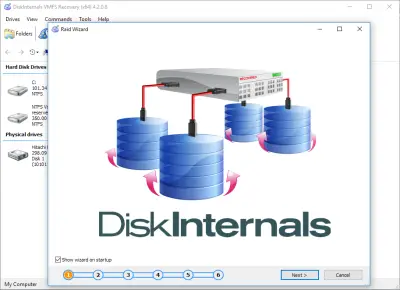
- 3. Open VMFS Recovery™ and select the VHDX Recovery module.
- 4. Browse and locate the corrupt VHDX file on your local storage or network. The software will automatically scan the selected VHDX file for accessible partitions and data.
Step 3: Analyze the Corrupt VHDX File
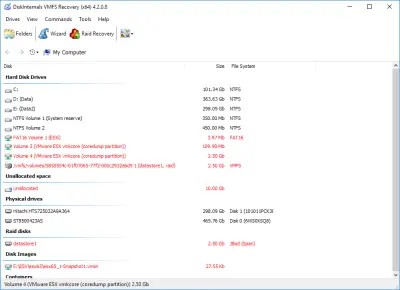
- 5. VMFS Recovery™ will conduct an in-depth scan of the VHDX file, identifying any recoverable files, folders, or virtual machine components.
- 6. The tool offers both quick and full scan options. For severely corrupted files, it is recommended to perform a full scan to maximize recovery potential.
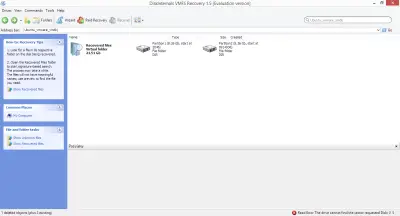
- Tip: Monitor the process and review any system logs generated by the software for insight into the corruption type and severity.
Step 4: Preview Recoverable Files
- 7. Once the scan is complete, VMFS Recovery™ displays a list of recoverable files. You can preview the contents of these files to verify their integrity before proceeding with the recovery.
- 8. This feature is especially useful if you need to recover specific files from the VHDX, such as critical documents, database files, or system snapshots.
Step 5: Recover Data from the Corrupt VHDX
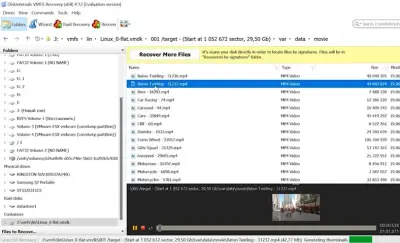
- 9. Select the files or virtual machine components you want to recover and choose a safe location for recovery (external drive, network storage, etc.).
- 10. Click Recover to initiate the data extraction process. VMFS Recovery™ will restore the selected files to the chosen location.
Step 6: Verify and Validate Recovered Data
- 11. After recovery, ensure that the restored data is functional by mounting the files or testing the virtual machine.
- 12. It’s crucial to validate the integrity of the restored data by running tests or accessing the recovered files to confirm they are fully usable.
Best Practices for VHDX File Recovery
To mitigate the risk of data loss from VHDX file corruption and ensure quick recovery, implementing proactive measures is essential. These practices, including regular backups, snapshots, and maintaining a robust recovery plan, help ensure data integrity and minimize downtime in the event of corruption or failure.
1. Regular Backups
One of the most effective ways to prevent data loss is by performing regular backups of VHDX files. A proper backup strategy ensures that even if a VHDX file becomes corrupted or lost, a recent copy can be restored quickly.
- Automated Backup Solutions: Use automated backup software to schedule regular backups of VHDX files. This can be done using built-in tools like Windows Server Backup or third-party solutions tailored for virtual environments.
- Offsite and Redundant Backups: Store backups both locally and offsite (e.g., cloud storage) to ensure data availability in case of hardware failure or disaster.
- Versioning: Keep multiple versions of backups to safeguard against accidentally saving over or corrupting the most recent backup.
2. Use of Hyper-V Snapshots
Snapshots in Hyper-V allow you to capture the state of a virtual machine at a specific point in time. If a problem arises, such as corruption or system misconfiguration, you can revert to a known working state using these snapshots.
- Regular Snapshot Creation: Create snapshots of critical virtual machines periodically, especially before significant updates or system changes.
- Snapshot Management: Regularly delete old or unnecessary snapshots to avoid performance degradation and excessive disk space usage.
3. Disk Monitoring and Health Checks
Maintaining the physical disks that store VHDX files is crucial for preventing corruption caused by hardware failure. Regularly monitoring disk health and performance can help you identify potential issues before they result in data loss.
- SMART Monitoring: Enable SMART monitoring for HDDs and SSDs to detect early signs of hardware failure.
- RAID Configurations: For high availability, use RAID configurations that offer redundancy (e.g., RAID 1, RAID 5) to protect VHDX files in case of disk failure.
4. Integrity Checks and File System Maintenance
Running regular file system integrity checks on virtual disks helps identify and repair errors that could lead to VHDX corruption.
- Chkdsk: Use the built-in Windows chkdsk command to scan and fix errors on physical and virtual disks.
- Defragmentation and Optimization: Periodically optimize the file system to prevent fragmentation that can degrade performance and increase the likelihood of errors.
5. Disaster Recovery Planning
Developing a robust disaster recovery plan is critical to ensuring that your virtual environment can be restored quickly in case of a major failure or data loss.
- Tested Recovery Plan: Test the recovery plan regularly to ensure it works as expected under different failure scenarios.
- Documented Procedures: Keep detailed documentation of your recovery steps, including the use of tools like VMFS Recovery™ for recovering corrupt VHDX files.
Case Study: DiskInternals VMFS Recovery™ in Action
A mid-sized IT service provider experienced a major failure in their virtual infrastructure after a power outage corrupted multiple VHDX files. The virtual machines hosted critical applications, including a database server and file server, which were essential to business operations. The IT team was unable to boot the virtual machines or access their data due to the corruption of the VHDX files.
Challenges Faced:
- The VHDX files were too large to restore from available backups, as the backup system had missed the latest snapshots due to storage limitations.
- Traditional file recovery methods were not able to access the corrupted VHDX files, leaving the IT team at risk of significant data loss.
Solution Using DiskInternals VMFS Recovery™:
- 1. Quick Deployment: The IT team quickly installed DiskInternals VMFS Recovery™ on their backup server and scanned the corrupt VHDX files.
- 2. Deep Scanning and Recovery: VMFS Recovery™ performed a full deep scan of the corrupt files, identifying multiple recoverable files and virtual machine components, including the database and critical system files.
- 3. Preview and Selective Recovery: The software allowed the team to preview the recoverable files before initiating the recovery, ensuring that only essential data was restored first to minimize downtime.
- 4. Successful Data Recovery: Within hours, the IT team recovered the entire VHDX file containing the database and bootable system files. The virtual machines were successfully restarted, and business operations resumed with minimal data loss.
Outcome:
- Downtime Reduction: Thanks to the quick deployment and efficient scanning process of DiskInternals VMFS Recovery™, the IT provider was able to minimize downtime to less than one working day.
- Data Preservation: The team recovered nearly 100% of the critical data, preventing potential business disruptions or financial losses.
Lessons Learned:
- The incident highlighted the importance of maintaining redundant backups and regularly testing recovery procedures. The use of DiskInternals VMFS Recovery™ proved invaluable for handling VHDX corruption and restoring critical systems quickly.
Conclusion: Ensuring Smooth VHDX Restorations
Successfully recovering and restoring VHDX files requires a combination of proactive measures, careful execution, and the right tools. By following best practices such as maintaining regular backups, utilizing Hyper-V snapshots, and monitoring disk health, you can prevent many causes of VHDX corruption. In the event of a corrupt VHDX file, solutions like DiskInternals VMFS Recovery™ provide a reliable method for recovering critical data, minimizing downtime, and ensuring business continuity.
Key steps for ensuring smooth VHDX restoration include:
- Performing regular backups to safeguard against unexpected failures.
- Creating and managing snapshots to enable quick rollbacks in virtual environments.
- Running health checks and optimizing storage systems to prevent disk and file corruption.
- Using advanced recovery tools, like VMFS Recovery™, for efficient and thorough data recovery from damaged VHDX files.
By implementing these practices and using trusted recovery solutions, you can ensure your virtual environments remain resilient and recoverable, even in the face of VHDX file corruption.
Related articles
- Migrate VM from ESXi to Proxmox: Complete 2026 Guide
- VMware OVA vs OVF: Key Differences, Use Cases, and Recovery Tips
- KVM vs Docker: Performance, Isolation & When to Use Each
- Convert OVA to Hyper-V: Step-by-Step Guide for Easy Virtual Machine Migration
- Guide to Change VMware ESXi Logs Location
- repair VMDK files in VMware | DiskInternals VMFS Recovery™
- Is VMware virtual machine inaccessible? Fix it in 2025!
- Restore VMware VM with snapshot(delta.vmdk) files⠀
- What is virtualization? | Meaning of virtualization
- What is VMware HA?
- What is the difference between VMware HA vs vMotion
- VMware vMotion storage: What do You Need to Know
- VMware Fault Tolerance: what is it and how does it work?
- What is thin provisioning (TP)?⠀
- What is а LUN? (Logical Unit Number)
- How to Upgrade VMFS from 3 to 5th version
- VMware vMotion vs storage vMotion: all you wanted to know
- VMware Template vs. VMware Clone: the differences and similarities
- VMware Workstation and Its Uses
- VMkernel Ports and Networking Layers
- What is VM Host Server
- What is a Snapshot in VMware⠀
- What is vVol and How Does That Work
- VMware ESXi vs vSphere vs vCenter: Key Differences, Features, and Which to Choose
- What is NVRAM?⠀
- What is a VM Cluster and How to Create It
- Using and Creating VMware Content Library: Features, Setup, and Best Practices
- VirtualBox vs. VMware - Comparison
- No bootable medium found
- Citrix vs VMWare VDI - What are the differences in 2025?
- What is the 3-2-1 backup rule?⠀
- Convert VHD to VMDK - Free Methods
- P2V vs VMware: What is Better for You?
- How to Install Kali Linux VMware
- VMware ESXi Root and Default Password
- What is VMware networking?
- VMware vSwitch
- How to open VMDK files
- VMware EVC Mode: What It Is, How It Works, and How to Enable It in vSphere
- VMware NFS vs VMFS
- Hyper-V Nested Virtualization - all about and how to enable⠀
- About VMware home lab
- Install ESXI on USB
- Steps to update VirtualBox
- Install Ubuntu on VirtualBox
- How to remote control an Ubuntu System
- Setting up VirtualBox
- VMware vSphere Replication
- Ways to Fix VirtualBox E_FAIL (0x80004005) Error
- Want to increase VirtualBox disk size?
- VMware Player Shared Folders⠀
- Result code: e_invalidarg (0x80070057)
- Hardware virtualization is enabled
- The best solutions for Virtual Machine in Windows 10, 11
- Here is how to enable virtualization
- Here is everything you should know about GMSA
- VMFS Partition Table Recovery
- Reset a Virtual Machine in VMware
- Free Download VMware Data Recovery Tool
- VMware disk image recovery - 2025 expierence
- How to Repair Damaged VMware Virtual Machine (2025)
- Checking VMDK Disk for Errors (VMDK check tool)
- VMware Data Recovery configuration
- How to Recover Data from Virtual Disk Files
- Disk Mode for the ESXi VM. What is it and how do we use it: VMware
- VMware VMDK Recovery Tool
- Recover VMware virtual machine
- VMware missing VMDK file
- How to Extract Files from VMDK: Best VMDK Extractor Methods
- Fix VMFS Corruption
- How to check VMFS for metadata corruption
- VMware disk needs repair
- DiskInternals VMDK Viewer
- VMware Workstation: The Specified Virtual Disk Needs Repair Fix
- Best VMware Admin Tools: Optimize Performance with Essential Management Tools
- How to Access VMFS Datastore from Linux, ESXi host or Windows
- What Is VMware Data Recovery?
- Download VMware Data Recovery Plug-in by DiskInternals
- How to recover deleted virtual machine in VMware?
- The Best Virtualization Software of 2026: Top Picks and Recovery Tips
- VHD Recovery Software - Recover Corrupt or Deleted VHD Files
- Recover a Deleted VMFS Datastore on VMware ESXi
- How to FSCK VMFS Repair?
- How to Fix DiskPart Virtual Disk Service Errors in DiskPart 2026
- How to Fix VMDK is Corrupted and Cannot be Repaired
- Fix "Virtual Disk Service Error Clean Is Not Allowed”
- VMware vSphere 8.0 - What's New?
- What is VMware ESXi Server?
- VMware Disaster Recovery (DR) Solutions
- VMware Player vs Hyper-V: Performance, Features, and Comparison Chart
- How to create a virtual hard disk (VHD) on Windows
- Restore VMware VMs in Minutes — Fast, Safe & ESXi 8 Ready
- Comparison between HA vs DRS (Distributed Resource Scheduler) in VMware vSphere
- SCSI Controller in VMware: Types, Benefits, and Configuration Tips for Optimal Performance
- VMware Distributed Switch – The Complete Guide
- How to Clone VM in Hyper-V - Best Ways!
- What is VMware Remote Console and how Use it in Linux and Windows?
- VMware ESXi Home Lab: Ultimate Guide to Setup, Configuration, and Best Practices
- Why Is Your VM (Virtual Machine) Running Slow?
- How to Increase VMware Virtual Disk Size and Expand Partition?
- What exactly is VM sprawl, and what steps can be taken to prevent it?
- What Is the VMX File in VMware ESXi?
- Understanding the Differences: VDI vs HVD
- VM Backup vs Snapshot: Key Differences & VMware Best Practices
- Types and Strategies of Backup: Understanding Incremental, Differential, and Full Backups
- What is VMware vCloud Suite - Why Should You Use it?
- How to Create and Use Shared Folders in VirtualBox: A Comprehensive Guide
- Comparing Virtual Disk Formats: VDI, VHD, and VMDK
- How to Mount a VMDK File from Another VM in VMware: Step-by-Step Guide
- Migrating VMFS 5 Datastore to VMFS 6 Datastore: A Step-by-Step Guide
- How to Convert or Migrate Hyper-V to VMware VM
- Exploring Alternatives to VMware ESXi for Virtualization: Top Options in 2026
- Proxmox Backup and Restore: Comprehensive Guide for Efficient Data Management
- Easiest Guide to Copy VHD to Physical Disk Without Data Loss
- How to Disable Hyper-V in Windows 10 and 11: Complete Guide
- How to Restore VMDK to a Physical Drive - Complete Guide
- Mastering VMware Snapshot Recovery: Understanding, Creating, Managing, and Restoring VMs
- Restore VMDK from Backup: Comprehensive Step-by-Step Guide
- Ultimate Guide to Migrating Proxmox VMs to a New Server
- Recover a Deleted Virtual Machine in Proxmox: Step-by-Step Guide
- Virtual Disk Bad Blocks: Detection, Repair, Prevention
- Mount VHD in Windows 7
- VMware Player Snapshots: Limitations, Workarounds, and Best Practices
- What is a Virtual Machine? | Guide to VM Components & Benefits
- What is a VM Server? | Understanding VM Server Architecture & Benefits
- Best VMware Backup Solutions in 2025: Comprehensive Guide and Top Picks
- How to Move VMware VM to Another Host Without vCenter
- VMware DRS (Distributed Resource Scheduler) - What is it?
- How to Convert VHDX to VMDK: Comprehensive Guide with Recovery Tips
- Convert VHDX to VDI: Easy Methods & Data Recovery Insights
- Convert VHD to VHDX: Easy Steps to Convert VHDX to VHD Format
- Convert OVA to VHD | How to Convert VHD to OVA | Step-by-Step Guide to Virtual Machine Conversion
- How to Delete VHDX File in Windows 11 | Step-by-Step Guide + File Recovery Tips
- Mount VHDX Linux: Step-by-Step Guide to Mounting VHD and VHDX Files on Linux Easily
- Free VMFS Reader for Windows, Linux & macOS – Access VMware VMFS Volumes Easily
- Virtual Server Data Recovery: Restore Lost Data from VMware, VMFS, and VMDK Files
- Restore Hyper-V Virtual Machine from VHDX: Quick and Reliable Recovery Guide
- VHD vs VHDX Performance: Key Differences, Benefits, and When to Choose
- How to Resize a VHD File or VHDX
- VDI Meaning: What Is a VDI? Virtual Desktop Infrastructure Explained
- RDM vs VMDK: Key Differences & Performance Insights for VMware Environments
- Convert VHD from Dynamic to Fixed | Easy Guide to Convert Dynamic VHD to Fixed
- Extract VMDK from OVA: Step-by-Step Guide for VMware and Data Recovery
- Recover Deleted VHD Files Easily: Step-by-Step Guide for Successful Recovery
- Nutanix vs VMware: Comprehensive Comparison of Virtualization Platforms
- VMware Disk Types: Thick, Thin, and RDM Explained for Virtual Machine Management
- Change log for VMFS Recovery™
- Nutanix vs AWS: Key Differences, Use Cases, and Choosing the Best Cloud Solution
- Master Proxmox CLI Commands: Your Guide to Virtualization Management and Troubleshooting
- Proxmox Backup Server Setup: Step-by-Step Guide for Configuration
- Proxmox Server Setup: Complete Guide to Install and Configure Proxmox VE
- Proxmox VE Minimum Requirements: Essential Hardware for Optimal Virtualization
- Proxmox NAT Setup: Step-by-Step Guide to Configure NAT & Recover VM Files
- What is a VMware VIB File? Comprehensive Guide to .vib Files and Data Recovery
- Resize VDI - How to Resize VDI Files: Step-by-Step Guide
- Proxmox Backup and Restore: Easily Restore VM from Backup or to a New VM
- VMware Drag and Drop Not Working? Fix Issues in Workstation, Player & Windows 10
- How to Copy Files from VM to Local Machine | VMware File Transfer to Host Guide
- How to Paste in VMware Console | Enable Copy and Paste in VMware Console Guide
- VMware to Nutanix Migration: Step-by-Step Guide for Seamless Transition
- How to Copy ESXi VM and Copy VM from One ESXi Host to Another
- Proxmox vs oVirt: Full Comparison of Virtualization Platforms in 2026
- KVM vs VMware: Performance, Features, Cost & Comparison of Virtualization Platforms
- Open VM Tools vs VMware Tools: Feature, Update & Performance Differences
- OpenStack vs VMware: Cost, Features, Scalability & Virtualization Comparison
- AWS vs VMware: Pricing, Performance & Security | Azure vs VMware Cloud Guide
- QEMU vs VMware: Performance, Features
- QEMU vs VirtualBox vs VMware: Performance, Usability, and Best Use Cases
- Virtualbox vs Hyper-V
- How to SSH Into ESXi Host Securely
- OpenShift vs VMware: Key Differences, Use Cases, and Comparison Guide in 2026
- Dual Boot Linux vs Virtual Machine: Performance, Setup & Recovery Guide
- Compare WSL vs Virtual Machine
- Bootcamp vs Virtual Machine: Windows on Mac Performance & Recovery Guide
- VMware CPU vs Core: CPU, Cores & vCPU Optimization for Virtual Machines
- Kubernetes vs VMware: Key Differences, Use Cases, Cost & Recovery Guide
- Import VMDK to Proxmox: Step-by-Step Proxmox VMDK Import Guide
- Difference Between OVF and VMDK | VMware File Formats Explained
- VMware High Availability vs. Fault Tolerance - Key Differences
- How to Install Windows on Mac VMware Fusion - Windows 10 & 11 Guide
- VMware Delete from Disk vs. Remove from Inventory - Key Differences Explained
- VMware Boot ISO Image: How to Boot from ISO in vSphere and Workstation
- How to Restart a VM Safely | VM Restart Methods and Recovery Guide
- Convert VMDK to VDI VirtualBox | VirtualBox Convert VMDK to VDI Guide
- How to Convert VMDK to VMX
- VMware Converter V2V Conversion Guide: V2V VMware Converter Migration
- VMware Converter to OVF: Fix Unable to Parse OVF File & Export VM
- Oracle DB Create Schema: How to Create Schema in Oracle Database
- What Is Change Block Tracking? VMware CBT, Enable, Reset, CTK Explained
- How to Convert VMDK to VMX | VMDK to VMX Converter and Recovery Guide
- USB Boot in VMware: VM Workstation Boot From USB Guide
- Recover Missed VMDK Descriptor: VMware Repair and VMFS Recovery Guide
- KVM vs LXC: Full Comparison of Performance, Security & Use Cases
- KVM vs QEMU: Architecture, Performance & When to Use Each
- VMX vs VMDK: VMware File Differences, Roles & Recovery
- VMX Configuration File Options: Complete VMware VMX Parameters Reference
- Hardware RAID Enterprise Usage vs Software RAID: Full Guide
- ESXi vs KVM vs Xen: Full Hypervisor Comparison 2026
- LXC vs KVM vs Docker: Full Linux Virtualization Comparison 2026
- KVM vs ESXi: Performance, Cost & Architecture Compared
- KVM vs VirtualBox: Architecture, Features, and Performance Comparison
- Xen vs KVM: Hypervisor Architecture, Performance, and Platform Comparison
- What Is VMFS in VMware: VMFS File System Explained and Features
- Convert VMX to OVF & OVF to VMX: Full Guide with ovftool
- Xen vs KVM vs VirtualBox: Full Hypervisor Comparison 2026
- VMware CPU Cores per Socket Best Practice, Licensing, and Performance
- NSX-T vs NSX-V: Architecture, Features & Migration Guide
- Restarting Management Agents ESXi: All Methods & Safe Guide
- Xen vs. VMware: Hypervisor Comparison — Architecture, Performance & Cost
- VMware Memory Hotplug Linux: Ubuntu, CentOS & Debian Guide
- Install VMware Tools Mac OS: Complete Step-by-Step Guide
- Recover Deleted VHD Xen & Restore Deleted XenServer VM
- Enabling SSH
- How to Fix/Repair Corrupted VMDK Files Effortless
- Mounting Server Disks
- Recover Deleted VMDK from Datastore Today
- Remote Recovery
- VMFS Recovery™ for VMware Data Recovery
- Recover VM from flat VMDK - The Best Solutions
- Restore a VMDK file
- Restore VMware virtual machine from VMDK file
- VMFS Recovery software as a solution for NFS data repair
- What is ESXi Recovery Mode
- What Is Raw Device Mapping (RDM) in VMware? Benefits, Setup, and Use Cases
- VMware ESX vs. ESXi - Main Differences. Detailed Comparison
- VMware vMotion: all you need to know
- How to Clone a VM - Best Steps to Using in VMware
- What is VMware DRS?
- VMFS Block Size: How to Choose
- VMFS UNMAP: What is It?
- What is Space Reclamation and How to Perform It
- Thick vs Thin Provisioning: All You Wanted to Know
- VMware Infrastructure: What Components are Used
- VMware vMotion requirements: for VMs and for hosts
- VMware FT vs VMware HA: what the difference?
- What is VMware VDS and How It Works
- ESX Partitions: All You Wanted to Know
- VMware Cold and Hot Migration: What Is It
- What is Virtual Desktop Infrastructure(VDI)?
- What is VMware vCenter Server and How Does It Works
- How to Manage VMware ESXi
- Manage Hyper-V Integration Services 2026
- Hyper-V Checkpoint and Its Importance for VM
- Hyper-V Export VM: How Does It Work
- ESXi Free Limitations: Pros and Cons
- How to Convert VMware VMs to Hyper-V
- How to set up Hyper-V network adapters - guide
- VMware: Workstation Pro vs Workstation Player
- How To Perform a USB Passthrough in Hyper-V⠀
- What is Hyper-V VDI and Its Benefits
- How to install Kali Linux in VirtualBox⠀
- VHDX Files and How to Mount Them on Windows
- Disaster Recovery Checklist: You Need A Plan
- VMware Network Adapter settings
- VMware snapshot best practices
- Hyper-V Virtual SAN
- Hyper-V NIC Teaming⠀
- The Ultimate Guide to AWS EBS Snapshots: How to Create, Manage, and Optimize Your Snapshots
- How to get full screen in Virtualbox
- About VirtualBox network settings
- How to Install VirtualBox Extension Pack on Windows, Linux & macOS
- Physical Server vs. Virtual Server: Key Differences
- ESXi 7.0 ESXCLI Command Reference in 2025
- How to create a Virtual Machine from a hard drive
- VMware vSphere 7
- Host Profile in VMware - what is and how to use it?
- About VMware vRealize Orchestrator
- Intel VT-x in BIOS: how to enable it?
- VMware Cloud Foundation
- Virtual Desktop Infrastructure and VMware Horizon
- How to Fix DiskPart Virtual Disk Service Errors in 2025 - Best Ways
- Unable to Connect to Virtual Disk Service in Disk Management: Fixes & Solutions
- How to format VMware disk using ESXI
- VMware Data Recovery Software
- Tools to mount VMFS on Linux, ESXi, Windows
- VMware Disk Image: 2025 guide
- VDS fails to claim a disk
- Read VMFS partition on Windows
- How to browse VMDK file
- ESXi repair install
- How to fix a Time Capsule disk in "Internal disk needs repair" status?
- VMware Data Recovery Services
- Repair ESXi datastore
- Restoring The Entire Virtual Machine Whith DiskInternals VMFS Recovery
- VMware VMDK Recovery Tool - Restore VMDK Files
- What Is Backup and Recovery? - Backup vs Recovery
- How to Backup VMware Data. Backup solution for Vmware
- How to restore VHD file backup? (2025)
- How to download VMDK file from datastore to Your System in the VMware
- Diskinternals VMFS Recovery Serial Key
- Virtual Disk Service Error The Object Is Not Found - How to fix?
- How to Backup and Recovery ESXi Virtual Machines?
- How to Backup VMware ESXi Virtual Machines - Back Up ESXi Host Configuration
- How to Recover a VMware Image
- How to Fix ESXi Boot Failure in UEFI Configuration?
- ESXi UEFI booting hits a roadblock, halting at the "VMware Hypervisor Recovery" phase with no further advancement
- Vmware Delete Flat File - Let's Figure It Out
- Diverse Hyper-V Replication and Failover Types
- Repair virtual disk in VDMK
- How to repaire corrupt VMDK header files
- How to recover a corrupt or damaded VMDK file on Mac?
- Mastering VMware Disk Mount: A Comprehensive Guide for Windows 10 Users
- Restore your Lost VMware Files - DiskInternals VMware data recovery
- Difference between VMFS 5 vs VMFS 6
- What is quiescing VMware vSphere?
- How to Recover or Remove Orphaned Virtual Machines
- VMDK file format - What is Virtual Machine Disk format
- How to Install macOS on VMware ESXi or VMware Workstation
- Virtual Machine Disk Consolidation Is Needed: Full Fix Guide
- VMware Horizon Vs VDI by Microsoft - What the difference
- VMware Hypervisor Recovery: Strategies and Best Practices
- Understanding Datastore Inaccessibility in VMware
- Overview and Configuration of USB Passthrough in VMware Virtual Machines
- Convert a VMware Workstation VM to ESXi using 3 Ways
- How to Recover Corrupt VMDK File in VMware
- How to Recover VHDX Files (VHDX recovery)
- Repair VHD - Virtual Hard Disk repair tool
- Migrating VirtualBox VM to Hyper-V - Complete Guide
- Recovering a Virtual Machine in Oracle: Step-by-Step Guide
- What is vApp in VMware? Key Concepts and Usage Examples
- Recovery and Restore of vApp Data: Comprehensive Guide
- VHDX Repair: Comprehensive Guide to Fix Corrupt or Unreadable VHDX Files description
- What is a Virtual Hard Disk (VHD File)?
- Resolving "VMware File Not Found" Errors: Comprehensive Guide to File Recovery
- Comprehensive Guide to VMware File Types and Extensions
- Failed to Read from File VMDK: Causes, Solutions, and Prevention
- Proxmox vs ESXi: Comprehensive Guide to Choosing the Best Hypervisor
- Data Recovery on iSCSI LUN: Comprehensive Guide to Prevent and Recover Data Loss
- How to Mount VHDX Files in Windows 10: A Comprehensive Guide
- What is a VM Snapshot: Comprehensive Guide to Virtual Machine Snapshots
- Unlocking a Locked VM in Proxmox: Step-by-Step Guide to Resolve and Prevent Issues
- How to Mount VHD Files in Windows 10: A Comprehensive Guide
- Comprehensive Guide to Virtual Data Recovery Software | Best Tools & Tips
- Repair-VHD PowerShell: Step-by-Step Guide (3 Essential Steps to Fix VHD)
- How to Open a VHDX File: Extract Data & Recover VHDX Files with Ease
- What is a KVM Virtual Machine? | KVM Virtualization Explained with File Recovery Solutions
- VDI Recovery Software to Restore VM VirtualBox and VDI Files
- Virtual Data Recovery Services
- Xen vs Proxmox - A Comprehensive Comparison
- Best VMware Backup Software and Solutions | Top Backup Options for VMware 2025
- How to Create a VDI from a Hard Drive: Step-by-Step Guide for VirtualBox Users
- How to Convert VMDK to RDM: Step-by-Step Guide for VMware Storage Management
- How to Convert RDM to VMDK in VMware: Step-by-Step Guide
- What Is an RDM? Learn About RDM Storage and Disks in VMware
- How to Backup ESXi Host Configuration: Step-by-Step Guide for VMware Administrators
- VMDK to VHDX: Convert VMDK to VHDX with PowerShell & Tools
- What is Nutanix and How It Works: Discover What Nutanix Does and Its Use Cases
- How to Install VIB on ESXi: ESXCLI Software VIB Install Guide
- How to Install VMware Tools on Ubuntu | Install VMware Tools on Ubuntu 22.04
- How to Install VIB on ESXi: ESXCLI Commands for ESXi VIB Installation
- Proxmox Disaster Recovery: Step-by-Step Guide to Secure Your Virtualized Environment
- Proxmox Backup Server: Comprehensive Guide to Setup and Management
- How to Install Ubuntu Desktop & Server on Proxmox | Step-by-Step VM Installation
- Corrupt VDI File: How to Fix and Recover Virtual Disk Data Effectively
- How to Fix a Corrupted VirtualBox VMDK Compressed Image
- How to Find MAC and IP Address of a Virtual Machine in VMware | VMware MAC & IP Guide
- How to Recover VMDK File: Recover VMware VMDK File and Extract Data from VMDK
- Create VM Template in VMware: Step-by-Step Guide
- How to Recover VMDK File on oVirt
- Docker Meaning, Definition & How It Works: What Docker Is Used for in Software
- Docker vs VMware: Performance, ESXi Comparison, Containers & Key Differences
- oVirt vs KVM: Key Differences, Performance, and Which Virtualization to Choose
- How to Convert VMware to oVirt: Importing VMware VMs to oVirt
- oVirt vs VMware: Compare KVM oVirt vs VMware ESXi for Virtualization in 2026
- OpenStack vs Proxmox VE: Compare Virtualization, Deployment, and VM Recovery
- AWS vs VMware: Pricing, Performance & Hybrid Cloud Comparison
- vSphere vs OpenStack - Full Comparison
- OpenStack vs Nutanix: Key Differences, Use Cases, VM Recovery & Performance Guide
- Migrate oVirt to VMware - Can I Move VM from oVirt to VMware?
- VMware vs Red Hat Virtualization Comparison - Pros & Cons
- VMware Blast vs PCoIP: Performance, Compatibility, Recovery Explained
- Parallels vs VMware Fusion: Performance, Features, and Best macOS Virtualization Option
- VMware ESXi vs NSX: Key Differences, Use Cases, and Integration Explained
- Virtual Machine vs. Cloud Server: Key Differences, Performance & Cost Guide
- SQL Server Virtual Machine vs. Physical Machine: Performance & Best Practices
- How to Install Mac OS on VMware Workstation
- Free VHD Viewer & Free App to View VHD File | Safely Open and Preview VHD/VHDX
- Best Virtual Machines for Mac OS X: A Guide to Installing Mac OS on VMware
- How to Install macOS on VMware
- How to Install VMware Fusion on a Mac | Step-by-Step VMware Setup Guide
- Export a VMware Virtual Machine from ESXi | ESX VM Export Guide
- What Is a Port Group in VMware & Distributed Port Group Explained
- Convert VMDK to QCOW2 & QCOW2 to VMDK with qemu-img (KVM Guide)
- How to Start a VMDK File Without a VMX File: Boot and Recovery Guide
- VMware Converter VMDK to OVF | VMware VMDK to OVF Converter Guide
- VDI vs VMDK: Performance, VirtualBox and Mac Comparison Guide
- VMware ESXi Networking Concepts: vSwitch, VLAN, and Design Guide
- VMware ESXi USB Passthrough and Mount USB Drive ESXi Guide
- VMware Cannot Open Configuration File VMX: Fixes & Recovery
- VMware VMX vs VMDK Repair: Fix, Rebuild & Recover VM Files
- Proxmox vs KVM: Virtualization Architecture, Performance, and Platform Guide
- KVM vs Hyper-V: Performance, Architecture, and Virtualization Comparison
- VMware Hotplug Memory & CPU: Enable, Configure, and Disable Guide
- VMware Quiesce Meaning: Definition, How It Works & When to Use It
- Compare VMware Essentials Plus and Standard - Full Feature Guide
- How to Create a Virtual Switch in VMware Workstation & ESXi
- Merge VHDX and AVHDX: Hyper-V Snapshot Merge Full Guide
- Xen VHD Recovery
- VMware Snapshot Quiesce: When to Use It & How It Works
- VMware virtual machine Networking & ESXi Network
- Xen VHD Recovery: Recover & Repair XenServer Virtual Disk Files
- XCP‑ng vs VMware ESXi: Performance, Features & Pricing Compared 2026
- Corrupted Xen VHD: Repair & Recover Damaged XenServer Virtual Disks
- Hypervisor Comparison 2026: Top Platforms, Types & Best Picks
- Compare VMware Essentials Editions: Features, Cost & Guide
- XCP-ng VHD Recovery: Recover VM, Corrupted VHD & SR
- Proxmox vs. VMware: Comprehensive Comparison, Performance, and Cost Analysis
- Proxmox vs. Hyper-V: In-Depth Comparison of Virtualization Giants
- Proxmox vs VirtualBox: Comprehensive Performance & Feature Comparison
- Proxmox vs ESXi for Homelabs: Choose the Best Virtualization Platform for Your Setup
- Proxmox: How to Delete a VM Safely | Step-by-Step Guide
- Proxmox Recovery: Step-by-Step Guide to Restore VMs and Recover Lost Data
- Proxmox Backup vs Snapshot: Key Differences for Data Protection
- How to Install Proxmox VE on Ubuntu Server & Desktop | Complete Installation Guide
- XCP-ng vs Proxmox vs VMware: XCP NG vs Proxmox Guide