VDI Meaning: What is a VDI and How Does It Work?
One term that frequently arises in discussions about modern IT solutions is VDI. But what exactly does VDI mean? What is VDI, and how does it influence the realms of work and virtual computing? In this article, we will explore the meaning of VDI, unpack what a VDI is, and delve into the workings of Virtual Desktop Infrastructure, a transformative technology reshaping how organizations approach desktop management and user experience.
What Is VDI (Virtual Desktop Infrastructure)?
Virtual Desktop Infrastructure (VDI) is a sophisticated IT setup that delivers a complete desktop experience over a network by utilizing virtual machines. Unlike traditional desktop environments where operating systems and applications are installed directly on a physical device, VDI hosts these elements in virtual machines on a centralized server. This method allows users to interact with a virtual representation of their desktop environment, which is accessible from almost any device, whether it be a laptop, tablet, or thin client.
How VDI Operates
Centralization of Desktops:
In a VDI setup, desktop environments are centralized and run on a server in a data center. Each desktop is a separate virtual machine that can be customized to user preferences, just like a physical desktop. This centralization brings several benefits:
- Simplified Management: IT administrators can manage and update all virtual desktops from the server. This means updates, security patches, and new applications can be deployed quickly and efficiently across all desktops.
- Enhanced Security: Since data and applications reside on the server, the risk of data loss or unauthorized access from device theft or damage is significantly reduced. Additionally, centralizing desktops enables better implementation of security policies and compliance controls.
- Resource Efficiency: By utilizing a server's computing power, organizations can reduce the need for high-spec hardware at the user end. Thin clients or older PCs can be repurposed to access VDI desktops, extending hardware lifespans and reducing costs.
User Access:
Users connect to their VDI desktops via a network using a client application. This connection can occur over a corporate network or the internet, offering flexibility for remote work or travel. Once connected, users experience a familiar desktop interface with access to their applications and files, all of which run on the powerful infrastructure of the data center.
How Does VDI Work?
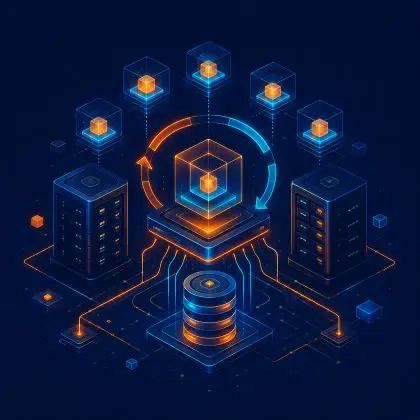
Virtual Desktop Infrastructure (VDI) operates through a complex architecture that enables users to access virtualized desktops housed on centralized servers. This architecture includes several key components that work together to deliver a seamless desktop experience.
Architecture of VDI
- 1. Connection Broker:
The connection broker is a crucial component that manages user connections to the appropriate virtual desktop. When a user attempts to log in, the connection broker authenticates the user’s credentials and directs them to their designated virtual machine. It ensures that users connect to the right desktop based on various parameters, such as user profiles or desktop availability.
- 2. Host Servers:
Host servers are powerful machines located in a data center that run multiple virtual machines simultaneously. These servers utilize hypervisor technology to create and manage virtual desktops. They house the virtualized hardware resources, like CPU, memory, and storage, which are allocated to each virtual machine as needed.
- 3. Virtual Machines (VMs):
Virtual machines are individual instances of desktop environments, each running its own operating system and applications. Each VM operates in isolation from others, providing users with a personal computing experience similar to that of a physical desktop. The flexibility of VMs allows for customized setups tailored to specific user needs.
Persistent vs. Non-Persistent VDI
VDI deployments can be configured as either persistent or non-persistent, each offering distinct benefits depending on organizational needs.
In a persistent VDI setup, each user is assigned a unique virtual desktop that retains all their settings, applications, and data between sessions. It provides a personalized experience similar to traditional desktops. Persistent VDI is ideal for users who require a consistent environment, such as developers or power users who need specific software configurations.
Conversely, non-persistent VDI uses a standard, generic desktop instance that resets after each user session ends. This means any changes made during a session, such as installed applications or saved settings, are not retained once the user logs out. Non-persistent VDI is well-suited for environments with shared workstations, such as call centers or educational labs, where consistency and ease of maintenance are priorities.
VDI Access: Understanding Connectivity and Security
When it comes to Virtual Desktop Infrastructure (VDI) access, ensuring secure and reliable connections is paramount. Users often need to interact with their virtual desktops remotely, necessitating robust security measures to protect sensitive data and maintain user privacy.
How Users Access VDI Desktops Remotely
To access VDI desktops remotely, users typically use a client application or a web-based interface, allowing them to connect to their virtual environments from any location with internet connectivity. Here’s how the process generally works:
- Client Software or Web Access:
Users initiate access using specialized client software installed on their devices or through a secure web portal. This client facilitates the connection to the VDI environment, providing an interface for interaction with the virtual desktop.
Before access is granted, users must authenticate their identity. This usually involves entering a username and password, ensuring that only authorized individuals can access the VDI resources.
The connection between the user’s device and the VDI server is typically secured using VPNs (Virtual Private Networks) or other secure tunneling protocols. These technologies encrypt the data transmitted over the internet, safeguarding it from interception by unauthorized parties.
Importance of Multi-Factor Authentication and Encryption
In the context of VDI access, security is not just about verifying user credentials; it involves implementing multiple layers of protection to fortify the entire connection process.
- Multi-Factor Authentication (MFA):
MFA adds an extra layer of security by requiring users to provide additional verification factors beyond just a password. Common methods include one-time passcodes sent to mobile devices or biometric verification, like fingerprint recognition. MFA significantly reduces the likelihood of unauthorized access, even if passwords are compromised.
Encryption is critical for protecting data integrity and confidentiality. All data transmitted between the user device and the VDI server is encrypted, ensuring that sensitive information like business data or personal user details remains confidential and is not compromised during transmission.
VDI Examples: Where Is VDI Used?
Virtual Desktop Infrastructure (VDI) has become an integral part of various industries due to its versatility and efficiency. Here, we'll explore the diverse applications of VDI across different sectors and some specific scenarios where VDI is particularly beneficial.
Industries and Use Cases for VDI
- 1. Healthcare:
- Use Case: Medical professionals can access patient records and applications securely from anywhere, enabling more flexible work environments.
- Scenario: VDI supports telemedicine by allowing doctors to consult patient data remotely while ensuring compliance with healthcare data protection regulations.
- 2. Education:
- Use Case: Educational institutions use VDI to provide students and faculty access to learning resources and software applications on various devices.
- Scenario: With VDI, schools can easily manage computer labs and support remote learning, enabling students to use the same tools and resources from home.
- 3. Information Technology (IT):
- Use Case: IT departments leverage VDI to streamline desktop management, ensuring consistent environments and rapid deployment of updates.
- Scenario: VDI facilitates remote support and troubleshooting by allowing IT professionals to access users' virtual desktops directly.
- 4. Finance:
- Use Case: Financial institutions use VDI to enhance security by centralizing data and applications, reducing the risk of data breaches.
- Scenario: Employees in financial sectors can work from home with secure access to critical financial applications, maintaining productivity while protecting sensitive data.
- 5. Manufacturing:
- Use Case: VDI enables manufacturing companies to manage complex engineering applications centrally, optimizing resources and reducing costs.
- Scenario: Engineers and designers can collaborate on projects using high-performance virtual desktops without the need for specialized hardware.
Specific Scenarios
VDI supports remote work by providing seamless access to virtual desktops from any location, facilitating continuity and productivity regardless of where employees are located.
- Secure Bring Your Own Device (BYOD) Policies:
VDI enhances BYOD policies by allowing employees to use personal devices to access corporate environments securely, mitigating the risks associated with device diversity and personal data management.
VDI plays a crucial role in business continuity planning by ensuring that virtual desktops and data can be quickly restored and accessed in the event of a disaster. This capability minimizes downtime and operational disruptions.
Benefits and Challenges of VDI
Virtual Desktop Infrastructure (VDI) offers numerous advantages that make it a compelling choice for many organizations. However, it also comes with certain challenges that need to be addressed to ensure successful deployment and operation.
Key Benefits of VDI
- Enhanced Security: VDI centralizes desktop management and data storage in secure data centers. This architecture reduces the risk of data breaches or loss resulting from physical theft or hardware damage. By keeping data off end-user devices, VDI protects sensitive information and ensures compliance with security standards.
- Simplified Management: VDI allows IT teams to manage desktops centrally, making it easier to deploy updates, patches, and new applications. This streamlined management reduces administrative overhead and ensures all users operate on standardized and up-to-date environments, enhancing both performance and security.
- Cost Savings Over Time: While the initial investment in VDI can be significant, organizations often experience cost savings over time. VDI reduces the need for high-end user devices, extends hardware lifespans by using thin clients or repurposing older machines, and decreases the overall energy consumption associated with decentralized setups.
Challenges of VDI
- High Initial Setup Cost: Implementing VDI requires a substantial initial investment in server infrastructure, software licenses, and potential network upgrades. These upfront costs can be a barrier for some organizations, particularly smaller ones with limited budgets.
- Reliance on Stable Network Connections: VDI performance heavily depends on reliable and fast network connectivity. Users require a stable internet connection to access their virtual desktops efficiently. Any network instability or downtime can disrupt user access and productivity.
- Performance Concerns: While VDI can offer impressive performance, it may struggle with resource-intensive applications or meet the needs of power users with high-performance demands. Organizations must carefully plan resource allocation and infrastructure capacity to ensure consistently high performance across all virtual desktops.
Recovering Virtual Machine Files: What You Need to Know
In Virtual Desktop Infrastructure (VDI) environments, the functionality and stability of virtual desktops depend heavily on the integrity of virtual machine files. Understanding these components and addressing common issues are crucial for maintaining seamless operations.
VDI Environments and Virtual Machine Files
- 1. Virtual Machine Disk (VMDK):
VMDK files are the virtual disk files in which a virtual machine's operating system, applications, and data reside. These files essentially serve as the storage foundation for the virtual desktops, acting as a virtual hard drive.
- 2. Virtual Machine File System (VMFS):
VMFS is a high-performance file system designed for storing virtual machine files on storage devices, primarily used in environments with VMware virtualization. It supports concurrent access and sophisticated data management, which is essential for efficient VDI operations.
Common Issues with Virtual Machine Files
Despite the robustness of the VDI architecture, virtual machine files can encounter issues such as:
- Accidental File Deletion: Users or administrators might unintentionally delete VMDK or configuration files, leading to data loss or inaccessible virtual machines. Quick and effective recovery methods are vital in these scenarios.
- File Corruption: VMDK files can become corrupted due to unexpected shutdowns, hardware failures, or software bugs. Corruption can render files unreadable, disrupting access to the virtual machine.
- Storage Failures: Failures in the underlying storage system where VMFS and VMDK files reside can lead to widespread accessibility issues, affecting multiple virtual machines simultaneously. Such failures may stem from hardware malfunctions or network storage complications.
Recovery Considerations
To address these challenges, it's crucial for organizations to implement robust backup and recovery strategies, including:
- Regular Backups: Maintain frequent backups of virtual machine files to ensure data can be restored quickly in the event of deletion or corruption. Automated backup solutions can help streamline this process.
- Redundancy Measures: Implement redundancy in storage systems to mitigate the impact of storage failures. This includes RAID configurations or using external storage solutions that provide failover capabilities.
- Monitoring and Alerts: Use proactive monitoring tools to detect anomalies or failures in storage systems. Early detection can prevent minor issues from escalating into significant problems.
DiskInternals VDI Recovery Software: A Reliable Solution
DiskInternals VDI recovery software stands out as a robust tool for recovering VMFS files, crucial for restoring lost or damaged data in VDI environments. Whether caused by accidental deletion, corruption, or storage failure, this software provides a comprehensive solution to retrieve critical virtual machine files.
The software is designed to efficiently and effectively recover lost or damaged VDI data. Here's a brief overview of its operation and capabilities:
- 1. Installation and Setup: Begin by installing DiskInternals VDI recovery software on a system with access to the storage where the VMFS files are located. The intuitive setup process guides you through necessary configurations to connect with the target storage environment.
- 2. Scanning for Lost Files: Once setup is complete, initiate a scan for lost or damaged VMFS files. The software employs advanced algorithms to search through the storage medium, identifying recoverable files and presenting them in an accessible format.
- 3. Previewing and Selecting Files: After the scan, the software allows you to preview found files, providing insights into their condition and recoverability. This feature is crucial for selectively recovering only the necessary files or verifying their integrity before restoration.
- 4. File Restoration: Select the VMFS files you wish to recover and begin the restoration process. DiskInternals VDI recovery software facilitates the retrieval of data to a secure location of your choice, ensuring the recovered files are safe and ready for reintegration into the VDI environment.
- 5. Verifying Data Integrity: Post-recovery, it’s essential to verify the integrity and functionality of the restored files. The software supports validation processes to ensure the recovered data is complete and operational before returning to a production state.
In utilizing DiskInternals VDI recovery software, organizations can address data loss challenges within VDI setups promptly and confidently, minimizing downtime and ensuring business continuity. The tool’s focus on user-friendly operation, coupled with powerful recovery capabilities, makes it an essential component in any virtual desktop infrastructure recovery strategy.
Conclusion: Why VDI Is Essential in Modern IT Environments
Virtual Desktop Infrastructure (VDI) plays a critical role in transforming how organizations operate and manage their IT resources. VDI's significance lies in its ability to provide a secure, scalable, and flexible solution for remote work, enabling employees to access desktop environments and applications from anywhere, on any device. This capability is especially vital as remote and hybrid working models become increasingly prevalent, ensuring continuity and consistent user experiences across diverse locations.
The security advantages of VDI cannot be overstated. By centralizing data and applications on secure servers, VDI reduces the risks associated with data breaches and unauthorized access inherent to traditional computing models. This centralization also facilitates streamlined management, allowing IT departments to efficiently deploy updates and maintain security protocols across all virtual desktops, thereby enhancing organizational security posture.
Furthermore, leveraging the right tools and strategies is essential for managing and recovering VDI environments effectively. Solutions like advanced recovery software and proactive monitoring systems are vital for addressing potential challenges such as data loss or system failures. These tools ensure that organizations can swiftly recover from incidents, minimizing downtime and maintaining business operations without interruption.
Need to convert
Hyper-V to VDI or
VHDX to VDI? Learn how!
In summary, VDI is an indispensable component of modern IT infrastructure, offering robust solutions for secure and scalable work environments. By adopting comprehensive management and recovery strategies, organizations can fully harness the power of VDI, ensuring resilience, productivity, and security in an ever-evolving digital world.
Related articles
- Restore VMware VMs in Minutes — Fast, Safe & ESXi 8 Ready
- Convert VMX to OVF & OVF to VMX: Full Guide with ovftool
- Xen VHD Recovery
- VMware vMotion storage: What do You Need to Know
- VMFS Block Size: How to Choose
- Thick vs Thin Provisioning: All You Wanted to Know
- VMware vMotion requirements: for VMs and for hosts
- VMware FT vs VMware HA: what the difference?
- ESX Partitions: All You Wanted to Know
- VMkernel Ports and Networking Layers
- What is Virtual Desktop Infrastructure(VDI)?
- What is VMware vCenter Server and How Does It Works
- What is a Snapshot in VMware⠀
- How to Manage VMware ESXi
- What is vVol and How Does That Work
- What is Hyper-V VDI and Its Benefits
- P2V vs VMware: What is Better for You?
- What is VMware networking?
- Disaster Recovery Checklist: You Need A Plan
- Intel VT-x in BIOS: how to enable it?
- VMware vMotion: all you need to know
- VMware Template vs. VMware Clone: the differences and similarities
- Hyper-V Export VM: How Does It Work
- VMware ESX vs. ESXi - Main Differences. Detailed Comparison
- VMware Data Recovery Software
- Restore VMware VM with snapshot(delta.vmdk) files⠀
- Proxmox Backup and Restore: Easily Restore VM from Backup or to a New VM
- VMware Delete from Disk vs. Remove from Inventory - Key Differences Explained
- OpenStack vs VMware: Cost, Features, Scalability & Virtualization Comparison
- How to Install macOS on VMware
- How to Install macOS on VMware ESXi or VMware Workstation
- How to open VMDK files
- How to Create and Use Shared Folders in VirtualBox: A Comprehensive Guide
- How to Clone VM in Hyper-V - Best Ways!
- How to Backup and Recovery ESXi Virtual Machines?
- How to Fix DiskPart Virtual Disk Service Errors in DiskPart 2026
- How to Convert VHDX to VMDK: Comprehensive Guide with Recovery Tips
- Best VMware Admin Tools: Optimize Performance with Essential Management Tools
- How to FSCK VMFS Repair?
- Restore Hyper-V Virtual Machine from VHDX: Quick and Reliable Recovery Guide
- Convert OVA to Hyper-V: Step-by-Step Guide for Easy Virtual Machine Migration
- How to Backup ESXi Host Configuration: Step-by-Step Guide for VMware Administrators
- VM Backup vs Snapshot: Key Differences & VMware Best Practices
- Virtual Server Data Recovery: Restore Lost Data from VMware, VMFS, and VMDK Files
- VMDK to VHDX: Convert VMDK to VHDX with PowerShell & Tools
- How to Install VIB on ESXi: ESXCLI Commands for ESXi VIB Installation
- QEMU vs VMware: Performance, Features
- Proxmox: How to Delete a VM Safely | Step-by-Step Guide
- Change log for VMFS Recovery™
- Unlocking a Locked VM in Proxmox: Step-by-Step Guide to Resolve and Prevent Issues
- Virtual Disk Service Error The Object Is Not Found - How to fix?
- Difference between VMFS 5 vs VMFS 6
- VMware disk needs repair
- What is VMware Remote Console and how Use it in Linux and Windows?
- Virtual Disk Bad Blocks: Detection, Repair, Prevention
- How to Delete VHDX File in Windows 11 | Step-by-Step Guide + File Recovery Tips
- Types and Strategies of Backup: Understanding Incremental, Differential, and Full Backups
- Checking VMDK Disk for Errors (VMDK check tool)
- VMware Player vs Hyper-V: Performance, Features, and Comparison Chart
- Restore VMDK from Backup: Comprehensive Step-by-Step Guide
- Best Virtual Machines for Mac OS X: A Guide to Installing Mac OS on VMware
- What is the 3-2-1 backup rule?⠀
- VMware EVC Mode: What It Is, How It Works, and How to Enable It in vSphere
- VHD Recovery Software - Recover Corrupt or Deleted VHD Files
- What is a VM Snapshot: Comprehensive Guide to Virtual Machine Snapshots
- How to Increase VMware Virtual Disk Size and Expand Partition?
- How to download VMDK file from datastore to Your System in the VMware
- The Best Virtualization Software of 2026: Top Picks and Recovery Tips
- How to Access VMFS Datastore from Linux, ESXi host or Windows
- Download VMware Data Recovery Plug-in by DiskInternals
- Recover a Deleted VMFS Datastore on VMware ESXi
- How to Backup VMware ESXi Virtual Machines - Back Up ESXi Host Configuration
- Repair virtual disk in VDMK
- Overview and Configuration of USB Passthrough in VMware Virtual Machines
- Comparing Virtual Disk Formats: VDI, VHD, and VMDK
- Proxmox Backup and Restore: Comprehensive Guide for Efficient Data Management
- How to Move VMware VM to Another Host Without vCenter
- The Ultimate Guide to AWS EBS Snapshots: How to Create, Manage, and Optimize Your Snapshots
- How to Convert or Migrate Hyper-V to VMware VM
- What is a Virtual Hard Disk (VHD File)?
- Proxmox vs VirtualBox: Comprehensive Performance & Feature Comparison
- Host Profile in VMware - what is and how to use it?
- VMware Horizon Vs VDI by Microsoft - What the difference
- How to Install VirtualBox Extension Pack on Windows, Linux & macOS
- Diverse Hyper-V Replication and Failover Types
- Parallels vs VMware Fusion: Performance, Features, and Best macOS Virtualization Option
- Hypervisor Comparison 2026: Top Platforms, Types & Best Picks
- XCP-ng VHD Recovery: Recover VM, Corrupted VHD & SR
- How to Mount VHD Files in Windows 10: A Comprehensive Guide
- Create VM Template in VMware: Step-by-Step Guide
- VMware Blast vs PCoIP: Performance, Compatibility, Recovery Explained
- What Is a Port Group in VMware & Distributed Port Group Explained
- Manage Hyper-V Integration Services 2026
- Proxmox vs ESXi: Comprehensive Guide to Choosing the Best Hypervisor
- VMware Snapshot Quiesce: When to Use It & How It Works
- What Is Backup and Recovery? - Backup vs Recovery
- Proxmox Backup vs Snapshot: Key Differences for Data Protection
- VMware ESXi vs NSX: Key Differences, Use Cases, and Integration Explained
- Convert VMDK to QCOW2 & QCOW2 to VMDK with qemu-img (KVM Guide)
- ESXi 7.0 ESXCLI Command Reference in 2025
- How to Recover Corrupt VMDK File in VMware
- How to Recover VHDX Files (VHDX recovery)
- VDI Recovery Software to Restore VM VirtualBox and VDI Files
- Export a VMware Virtual Machine from ESXi | ESX VM Export Guide
- How to Create a Virtual Switch in VMware Workstation & ESXi
- VMware Distributed Switch – The Complete Guide
- Migrating VirtualBox VM to Hyper-V - Complete Guide
- Comprehensive Guide to Virtual Data Recovery Software | Best Tools & Tips
- What Is an RDM? Learn About RDM Storage and Disks in VMware
- SQL Server Virtual Machine vs. Physical Machine: Performance & Best Practices
- KVM vs Docker: Performance, Isolation & When to Use Each
- VMware Converter to OVF: Fix Unable to Parse OVF File & Export VM
- KVM vs LXC: Full Comparison of Performance, Security & Use Cases
- Exploring Alternatives to VMware ESXi for Virtualization: Top Options in 2026
- How to Install Proxmox VE on Ubuntu Server & Desktop | Complete Installation Guide
- How to Copy Files from VM to Local Machine | VMware File Transfer to Host Guide
- VMX vs VMDK: VMware File Differences, Roles & Recovery
- Xen vs. VMware: Hypervisor Comparison — Architecture, Performance & Cost
- VMware Disaster Recovery (DR) Solutions
- Mount VHD in Windows 7
- Resize VDI - How to Resize VDI Files: Step-by-Step Guide
- VirtualBox vs. VMware - Comparison
- Compare WSL vs Virtual Machine
- Import VMDK to Proxmox: Step-by-Step Proxmox VMDK Import Guide
- Convert VHD to VMDK - Free Methods
- AWS vs VMware: Pricing, Performance & Security | Azure vs VMware Cloud Guide
- Understanding the Differences: VDI vs HVD
- Guide to Change VMware ESXi Logs Location
- Best VMware Backup Solutions in 2025: Comprehensive Guide and Top Picks
- Convert VHD from Dynamic to Fixed | Easy Guide to Convert Dynamic VHD to Fixed
- What is a VMware VIB File? Comprehensive Guide to .vib Files and Data Recovery
- Hardware RAID Enterprise Usage vs Software RAID: Full Guide
- ESXi vs KVM vs Xen: Full Hypervisor Comparison 2026
- How to Paste in VMware Console | Enable Copy and Paste in VMware Console Guide
- Dual Boot Linux vs Virtual Machine: Performance, Setup & Recovery Guide
- KVM vs QEMU: Architecture, Performance & When to Use Each
- Install VMware Tools Mac OS: Complete Step-by-Step Guide
- Recover Deleted VHD Xen & Restore Deleted XenServer VM
- How to Install Kali Linux VMware
- Reset a Virtual Machine in VMware
- How to Recover Data from Virtual Disk Files
- NSX-T vs NSX-V: Architecture, Features & Migration Guide
- XCP-ng vs Proxmox vs VMware: XCP NG vs Proxmox Guide
- VHD vs VHDX Performance: Key Differences, Benefits, and When to Choose
- How to Copy ESXi VM and Copy VM from One ESXi Host to Another
- How to Install Windows on Mac VMware Fusion - Windows 10 & 11 Guide
- KVM vs ESXi: Performance, Cost & Architecture Compared
- What is VMware vCloud Suite - Why Should You Use it?
- VMware Drag and Drop Not Working? Fix Issues in Workstation, Player & Windows 10
- LXC vs KVM vs Docker: Full Linux Virtualization Comparison 2026
- Migrate VM from ESXi to Proxmox: Complete 2026 Guide
- What Is the VMX File in VMware ESXi?
- Difference Between OVF and VMDK | VMware File Formats Explained
- Xen vs KVM vs VirtualBox: Full Hypervisor Comparison 2026
- Using and Creating VMware Content Library: Features, Setup, and Best Practices
- SCSI Controller in VMware: Types, Benefits, and Configuration Tips for Optimal Performance
- What exactly is VM sprawl, and what steps can be taken to prevent it?
- Mastering VMware Snapshot Recovery: Understanding, Creating, Managing, and Restoring VMs
- VMware DRS (Distributed Resource Scheduler) - What is it?
- Convert VHD to VHDX: Easy Steps to Convert VHDX to VHD Format
- Convert VMDK to VDI VirtualBox | VirtualBox Convert VMDK to VDI Guide
- Why Is Your VM (Virtual Machine) Running Slow?
- Recover Deleted VHD Files Easily: Step-by-Step Guide for Successful Recovery
- How to Extract Files from VMDK: Best VMDK Extractor Methods
- Comparison between HA vs DRS (Distributed Resource Scheduler) in VMware vSphere
- VMware ESXi Home Lab: Ultimate Guide to Setup, Configuration, and Best Practices
- Nutanix vs VMware: Comprehensive Comparison of Virtualization Platforms
- What is VMware ESXi Server?
- How to Disable Hyper-V in Windows 10 and 11: Complete Guide
- QEMU vs VirtualBox vs VMware: Performance, Usability, and Best Use Cases
- No bootable medium found
- What Is VMware Data Recovery?
- Restarting Management Agents ESXi: All Methods & Safe Guide
- VMware Memory Hotplug Linux: Ubuntu, CentOS & Debian Guide
- AWS vs VMware: Pricing, Performance & Hybrid Cloud Comparison
- How to Recover a VMware Image
- How to Install VMware Fusion on a Mac | Step-by-Step VMware Setup Guide
- VMware Hotplug Memory & CPU: Enable, Configure, and Disable Guide
- Mastering VMware Disk Mount: A Comprehensive Guide for Windows 10 Users
- What is quiescing VMware vSphere?
- Virtual Machine Disk Consolidation Is Needed: Full Fix Guide
- Repair-VHD PowerShell: Step-by-Step Guide (3 Essential Steps to Fix VHD)
- How to Install Ubuntu Desktop & Server on Proxmox | Step-by-Step VM Installation
- Merge VHDX and AVHDX: Hyper-V Snapshot Merge Full Guide
- How to Backup VMware Data. Backup solution for Vmware
- VMware Cannot Open Configuration File VMX: Fixes & Recovery
- VMDK file format - What is Virtual Machine Disk format
- Repair VHD - Virtual Hard Disk repair tool
- Proxmox vs. VMware: Comprehensive Comparison, Performance, and Cost Analysis
- VMware OVA vs OVF: Key Differences, Use Cases, and Recovery Tips
- Compare VMware Essentials Editions: Features, Cost & Guide
- How to Clone a VM - Best Steps to Using in VMware
- Restore your Lost VMware Files - DiskInternals VMware data recovery
- VMware VMX vs VMDK Repair: Fix, Rebuild & Recover VM Files
- How to Convert VMware VMs to Hyper-V
- Physical Server vs. Virtual Server: Key Differences
- Understanding Datastore Inaccessibility in VMware
- Corrupt VDI File: How to Fix and Recover Virtual Disk Data Effectively
- How to Install Mac OS on VMware Workstation
- Xen VHD Recovery: Recover & Repair XenServer Virtual Disk Files
- VMware Hypervisor Recovery: Strategies and Best Practices
- VMware Quiesce Meaning: Definition, How It Works & When to Use It
- Compare VMware Essentials Plus and Standard - Full Feature Guide
- How to Fix DiskPart Virtual Disk Service Errors in 2025 - Best Ways
- Diskinternals VMFS Recovery Serial Key
- How to Fix ESXi Boot Failure in UEFI Configuration?
- Vmware Delete Flat File - Let's Figure It Out
- Proxmox Backup Server Setup: Step-by-Step Guide for Configuration
- OpenShift vs VMware: Key Differences, Use Cases, and Comparison Guide in 2026
- Is VMware virtual machine inaccessible? Fix it in 2025!
- VMware vSwitch
- VMware Fault Tolerance: what is it and how does it work?
- VMware ESXi Root and Default Password
- VMware Player Shared Folders⠀
- How To Perform a USB Passthrough in Hyper-V⠀
- How to install Kali Linux in VirtualBox⠀
- How to restore VHD file backup? (2025)
- Hyper-V Checkpoint and Its Importance for VM
- How to set up Hyper-V network adapters - guide
- How to create a Virtual Machine from a hard drive
- Hardware virtualization is enabled
- Corrupted Xen VHD: Repair & Recover Damaged XenServer Virtual Disks
- VMware vSphere 7
- VMware NFS vs VMFS
- VMware snapshot best practices
- About VMware vRealize Orchestrator
- Unable to Connect to Virtual Disk Service in Disk Management: Fixes & Solutions
- Want to increase VirtualBox disk size?
- Fix VMFS Corruption
- How to check VMFS for metadata corruption
- The best solutions for Virtual Machine in Windows 10, 11
- What is VMware VDS and How It Works
- VMware Network Adapter settings
- Hyper-V Nested Virtualization - all about and how to enable⠀
- VMware vSphere Replication
- Restore VMware virtual machine from VMDK file
- What is VMware HA?
- What is Space Reclamation and How to Perform It
- What is thin provisioning (TP)?⠀
- VMware Infrastructure: What Components are Used
- What is VM Host Server
- VMware ESXi vs vSphere vs vCenter: Key Differences, Features, and Which to Choose
- What is NVRAM?⠀
- Citrix vs VMWare VDI - What are the differences in 2025?
- ESXi Free Limitations: Pros and Cons
- Hyper-V Virtual SAN
- Result code: e_invalidarg (0x80070057)
- Here is how to enable virtualization
- VMFS Partition Table Recovery
- Free Download VMware Data Recovery Tool
- VMware Disk Image: 2025 guide
- VDS fails to claim a disk
- VMware Data Recovery configuration
- ESXi repair install
- VMware Data Recovery Services
- Recover VMware virtual machine
- Repair ESXi datastore
- VMware Workstation: The Specified Virtual Disk Needs Repair Fix
- Restoring The Entire Virtual Machine Whith DiskInternals VMFS Recovery
- Recover Deleted VMDK from Datastore Today
- repair VMDK files in VMware | DiskInternals VMFS Recovery™
- Recover VM from flat VMDK - The Best Solutions
- VMware disk image recovery - 2025 expierence
- Remote Recovery
- Hyper-V NIC Teaming⠀
- What is a Virtual Machine? | Guide to VM Components & Benefits
- What is a VM Server? | Understanding VM Server Architecture & Benefits
- Proxmox Recovery: Step-by-Step Guide to Restore VMs and Recover Lost Data
- Proxmox vs. Hyper-V: In-Depth Comparison of Virtualization Giants
- Proxmox vs ESXi for Homelabs: Choose the Best Virtualization Platform for Your Setup
- How to Recover VMDK File: Recover VMware VMDK File and Extract Data from VMDK
- How to SSH Into ESXi Host Securely
- Free VHD Viewer & Free App to View VHD File | Safely Open and Preview VHD/VHDX
- VMware: Workstation Pro vs Workstation Player
- How to Restore VHDX File: Step-by-Step Guide for VHDX Restore to HDD, Disk, and More
- Convert VHDX to VDI: Easy Methods & Data Recovery Insights
- Restore a VMDK file
- VMware Boot ISO Image: How to Boot from ISO in vSphere and Workstation
- How to Restart a VM Safely | VM Restart Methods and Recovery Guide
- How to Convert VMDK to VMX
- How to Start a VMDK File Without a VMX File: Boot and Recovery Guide
- VMware Converter V2V Conversion Guide: V2V VMware Converter Migration
- VMware Converter VMDK to OVF | VMware VMDK to OVF Converter Guide
- What Is Change Block Tracking? VMware CBT, Enable, Reset, CTK Explained
- VDI vs VMDK: Performance, VirtualBox and Mac Comparison Guide
- How to Convert VMDK to VMX | VMDK to VMX Converter and Recovery Guide
- VMware ESXi Networking Concepts: vSwitch, VLAN, and Design Guide
- USB Boot in VMware: VM Workstation Boot From USB Guide
- VMware ESXi USB Passthrough and Mount USB Drive ESXi Guide
- Recover Missed VMDK Descriptor: VMware Repair and VMFS Recovery Guide
- How to Recover VMDK File on oVirt
- oVirt vs KVM: Key Differences, Performance, and Which Virtualization to Choose
- Ways to Fix VirtualBox E_FAIL (0x80004005) Error
- VMware VMDK Recovery Tool
- Enabling SSH
- Mounting Server Disks
- VMFS Recovery™ for VMware Data Recovery
- What is ESXi Recovery Mode
- What is virtualization? | Meaning of virtualization
- What is the difference between VMware HA vs vMotion
- What is VMware DRS?
- VMFS UNMAP: What is It?
- What is а LUN? (Logical Unit Number)
- How to Upgrade VMFS from 3 to 5th version
- VMware vMotion vs storage vMotion: all you wanted to know
- What is a VM Cluster and How to Create It
- VHDX Files and How to Mount Them on Windows
- How to get full screen in Virtualbox
- About VirtualBox network settings
- About VMware home lab
- Install ESXI on USB
- Steps to update VirtualBox
- How to remote control an Ubuntu System
- Setting up VirtualBox
- VMware Cloud Foundation
- Virtual Desktop Infrastructure and VMware Horizon
- Here is everything you should know about GMSA
- Tools to mount VMFS on Linux, ESXi, Windows
- How to Repair Damaged VMware Virtual Machine (2025)
- Read VMFS partition on Windows
- How to browse VMDK file
- How to fix a Time Capsule disk in "Internal disk needs repair" status?
- Disk Mode for the ESXi VM. What is it and how do we use it: VMware
- VMware missing VMDK file
- DiskInternals VMDK Viewer
- How to Mount a VMDK File from Another VM in VMware: Step-by-Step Guide
- How to Recover or Remove Orphaned Virtual Machines
- VMFS Recovery software as a solution for NFS data repair
- What is vApp in VMware? Key Concepts and Usage Examples
- VMware Workstation and Its Uses
- Install Ubuntu on VirtualBox
- Migrating VMFS 5 Datastore to VMFS 6 Datastore: A Step-by-Step Guide
- How to Restore VMDK to a Physical Drive - Complete Guide
- How to Fix VMDK is Corrupted and Cannot be Repaired
- VMware VMDK Recovery Tool - Restore VMDK Files
- Xen vs Proxmox - A Comprehensive Comparison
- vSphere vs OpenStack - Full Comparison
- VMware vs Red Hat Virtualization Comparison - Pros & Cons
- KVM vs VMware: Performance, Features, Cost & Comparison of Virtualization Platforms
- VMware CPU vs Core: CPU, Cores & vCPU Optimization for Virtual Machines
- Virtual Machine vs. Cloud Server: Key Differences, Performance & Cost Guide
- RDM vs VMDK: Key Differences & Performance Insights for VMware Environments
- Proxmox vs oVirt: Full Comparison of Virtualization Platforms in 2026
- oVirt vs VMware: Compare KVM oVirt vs VMware ESXi for Virtualization in 2026
- OpenStack vs Proxmox VE: Compare Virtualization, Deployment, and VM Recovery
- OpenStack vs Nutanix: Key Differences, Use Cases, VM Recovery & Performance Guide
- Open VM Tools vs VMware Tools: Feature, Update & Performance Differences
- Mount VHDX Linux: Step-by-Step Guide to Mounting VHD and VHDX Files on Linux Easily
- Migrate oVirt to VMware - Can I Move VM from oVirt to VMware?
- Kubernetes vs VMware: Key Differences, Use Cases, Cost & Recovery Guide
- VMware High Availability vs. Fault Tolerance - Key Differences
- Docker vs VMware: Performance, ESXi Comparison, Containers & Key Differences
- Convert OVA to VHD | How to Convert VHD to OVA | Step-by-Step Guide to Virtual Machine Conversion
- How to Convert VMware to oVirt: Importing VMware VMs to oVirt
- Bootcamp vs Virtual Machine: Windows on Mac Performance & Recovery Guide
- KVM vs VirtualBox: Architecture, Features, and Performance Comparison
- Xen vs KVM: Hypervisor Architecture, Performance, and Platform Comparison
- Proxmox vs KVM: Virtualization Architecture, Performance, and Platform Guide
- Oracle DB Create Schema: How to Create Schema in Oracle Database
- VMX Configuration File Options: Complete VMware VMX Parameters Reference
- XCP‑ng vs VMware ESXi: Performance, Features & Pricing Compared 2026
- What Is VMFS in VMware: VMFS File System Explained and Features
- VMware virtual machine Networking & ESXi Network
- VMware CPU Cores per Socket Best Practice, Licensing, and Performance
- KVM vs Hyper-V: Performance, Architecture, and Virtualization Comparison
- How to recover deleted virtual machine in VMware?
- How to create a virtual hard disk (VHD) on Windows
- Easiest Guide to Copy VHD to Physical Disk Without Data Loss
- VHDX Repair: Comprehensive Guide to Fix Corrupt or Unreadable VHDX Files description
- Failed to Read from File VMDK: Causes, Solutions, and Prevention
- Free VMFS Reader for Windows, Linux & macOS – Access VMware VMFS Volumes Easily
- Best VMware Backup Software and Solutions | Top Backup Options for VMware 2025
- VMware Disk Types: Thick, Thin, and RDM Explained for Virtual Machine Management
- What is Nutanix and How It Works: Discover What Nutanix Does and Its Use Cases
- How to Install VIB on ESXi: ESXCLI Software VIB Install Guide
- How to Install VMware Tools on Ubuntu | Install VMware Tools on Ubuntu 22.04
- What Is Raw Device Mapping (RDM) in VMware? Benefits, Setup, and Use Cases
- VMware Cold and Hot Migration: What Is It
- How to format VMware disk using ESXI
- Fix "Virtual Disk Service Error Clean Is Not Allowed”
- Recovery and Restore of vApp Data: Comprehensive Guide
- Resolving "VMware File Not Found" Errors: Comprehensive Guide to File Recovery
- Comprehensive Guide to VMware File Types and Extensions
- Ultimate Guide to Migrating Proxmox VMs to a New Server
- Data Recovery on iSCSI LUN: Comprehensive Guide to Prevent and Recover Data Loss
- Recover a Deleted Virtual Machine in Proxmox: Step-by-Step Guide
- How to Mount VHDX Files in Windows 10: A Comprehensive Guide
- VMware Player Snapshots: Limitations, Workarounds, and Best Practices
- How to Open a VHDX File: Extract Data & Recover VHDX Files with Ease
- What is a KVM Virtual Machine? | KVM Virtualization Explained with File Recovery Solutions
- Virtual Data Recovery Services
- How to Resize a VHD File or VHDX
- How to Convert VMDK to RDM: Step-by-Step Guide for VMware Storage Management
- How to Convert RDM to VMDK in VMware: Step-by-Step Guide
- Extract VMDK from OVA: Step-by-Step Guide for VMware and Data Recovery
- Nutanix vs AWS: Key Differences, Use Cases, and Choosing the Best Cloud Solution
- Master Proxmox CLI Commands: Your Guide to Virtualization Management and Troubleshooting
- Proxmox Disaster Recovery: Step-by-Step Guide to Secure Your Virtualized Environment
- Proxmox Backup Server: Comprehensive Guide to Setup and Management
- Proxmox Server Setup: Complete Guide to Install and Configure Proxmox VE
- Proxmox VE Minimum Requirements: Essential Hardware for Optimal Virtualization
- Proxmox NAT Setup: Step-by-Step Guide to Configure NAT & Recover VM Files
- How to Fix a Corrupted VirtualBox VMDK Compressed Image
- How to Find MAC and IP Address of a Virtual Machine in VMware | VMware MAC & IP Guide
- VMware to Nutanix Migration: Step-by-Step Guide for Seamless Transition
- Docker Meaning, Definition & How It Works: What Docker Is Used for in Software
- VMware vSphere 8.0 - What's New?
- How to Fix/Repair Corrupted VMDK Files Effortless
- How to repaire corrupt VMDK header files
- How to recover a corrupt or damaded VMDK file on Mac?
- Convert a VMware Workstation VM to ESXi using 3 Ways
- Recovering a Virtual Machine in Oracle: Step-by-Step Guide
- How to Create a VDI from a Hard Drive: Step-by-Step Guide for VirtualBox Users
- ESXi UEFI booting hits a roadblock, halting at the "VMware Hypervisor Recovery" phase with no further advancement
FREE DOWNLOADVer 4.28, WinBUY NOWFrom $699