
What is SFTP in bash scripting?
Here you will find out:
- what SFTP in bash scripting is
- how to open an SFTP connection
- how to use the SFTP shell script
- when DiskInternals can help you
Are you ready? Let's read!
SFTP in Bash Scripting
SFTP is a command for accessing and processing files encrypted via SFTP (SSH File Transfer Protocol). SFTP is more secure than FTP and offers all FTP functions; plus, it is easier to set up SFTP connections than FTP. Interestingly, SFTP doesn’t only work for file transfers; it gives the programmer the ability to perform a wide range of operations on remote files over a secure connection.
How to open an SFTP connection
SFTP supports all SSH authentication algorithms and runs on client-server models as a subsystem of SSH. However, to enable an SFTP connection, you need to enter the username and IP address or remote hostname (domain name). If the user you're trying to log in with has a password, you will have to enter the password.
Example:

Input:

If your details are correct, you'll be taken to the SFTP terminal to start your remote programming.
Output:

Check the available commands
To learn all the commands you can use over an SFTP connection, enter “help” or “?”:
Sftp > help
Or:
Sftp > ?
How to use the SFTP shell script
Basically, you need to use Shell over an SSH connection to be able to run remote tasks on a remote domain or server. But in some conditions, the user may only have SFTP access to the remote domain. Thus, you may want to learn the possible commands you can use in an SFTP Shell script.
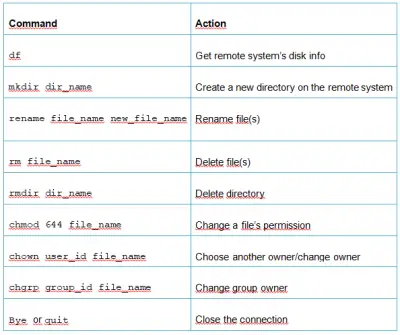
Note: Use the user’s ID when writing CHOWN or CHGRP commands
Do you need to get files from Linux in Windows?
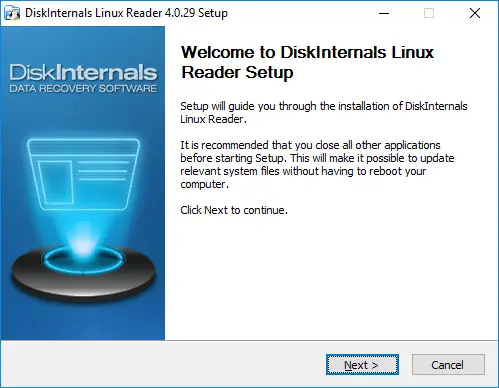
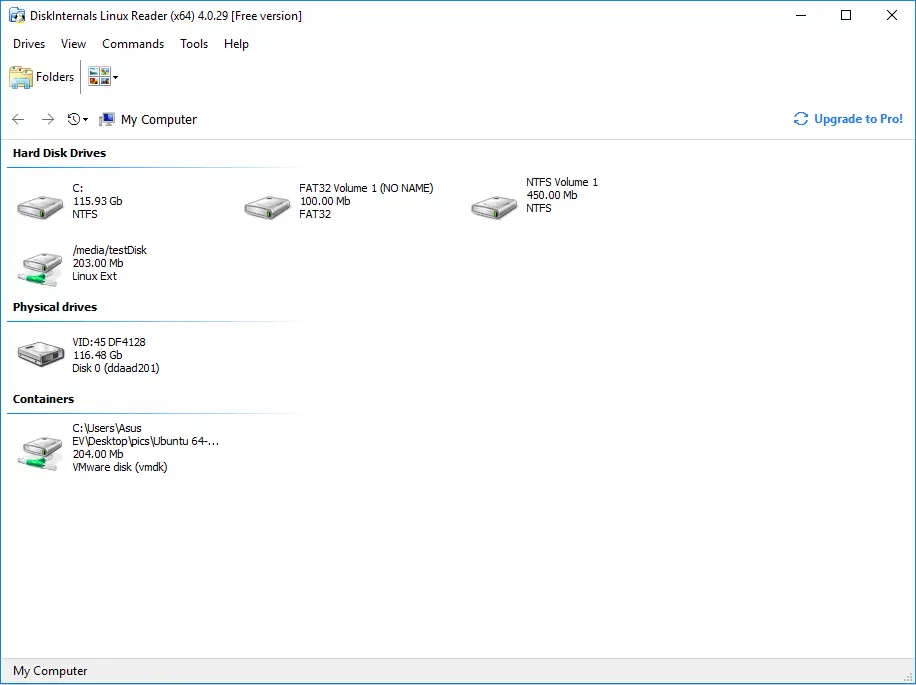
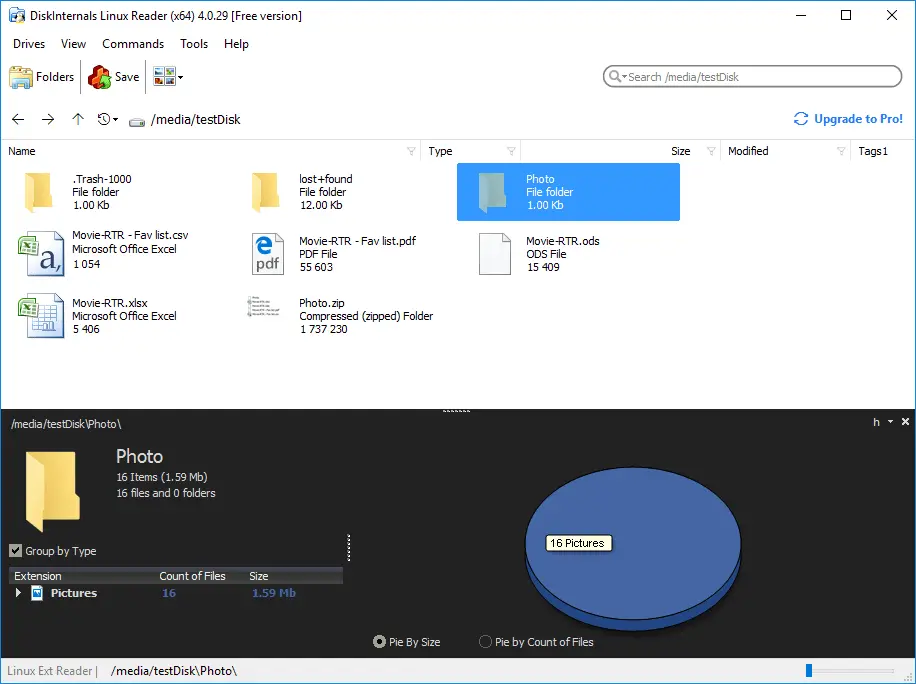
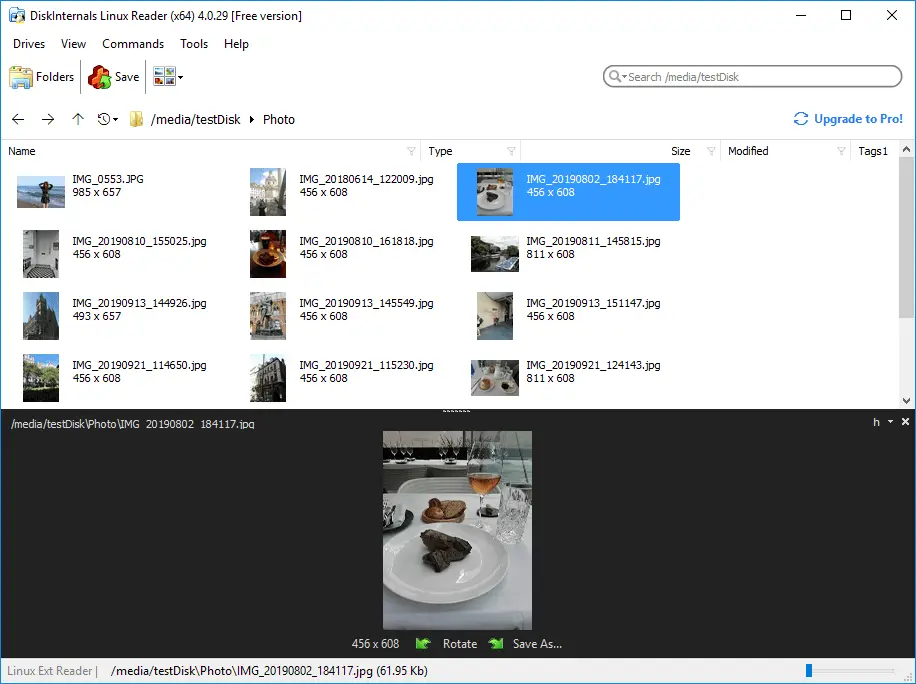
Normally, Windows won’t allow you to access Linux partitions, and you may have some important files in those partitions that you want to access. But with DiskInternals Linux Reader, you can access Linux partitions from a Windows PC. This software works with dual-boot PCs and virtual machines. It features an intuitive user interface that’s similar to Windows File Explorer’s interface.
DiskInternals Linux Reader supports all Linux file systems (Ext2/3/4, ReiserFS, Reiser4, UFS, HFS, HFS+, FAT, exFAT, NTFS, ReFS, UFS2, RAID 0, 1, 4, 5, 50, 10, and JBOD etc.). It can read all files saved in them, including documents and media files. It is an advanced software tool made for Linux programmers who operate with Windows systems.
Related articles
- About a bash date command
- How to Access Linux Ext2 or Ext3 on Windows
- How to Access Ext4 from Windows
- How to Mount Ext4 on Windows for Free
- Mount Linux Drive on Windows for Free
- Bash Script: All You Need to Know
- An Algorithm: How to Create Bash While Loop
- Linux Shell: What You Need to Know at First
- 5 Basic Shell Script Examples for Your First Script
- Bash: How to Check if the File Does Not Exist
- Bash Time Command on Linux
- How to use bash get script directory in Linux
- How to Check Bash String Equality
- How to Use Linux Wait Command
- Bash: How to Loop Through Files in Directory
- 20 Examples of Bash Find Command
- Bash Cat Command in Examples
- Bash Script SSH: How to Use It
- Bash: A Script For User Input
- Linux ZSH: the basic you need to know
- Basic of Grep in Linux Shell Script
- Shell Script Cut: Basic You Need to Know
- Bash: How to Check if String Not Empty in Linux
- Bash: how to split strings in Linux
- Linux: Sudo in Bash Scripts
- Hello World Script in Bash
- A Linux bin/bash Shell
- Linux: New Line in Shell Script
- Linux: Bash String Ends With
- Linux: Bash Printf Examples
- Linux: Bash First Line
- Linux: $0 in a Shell Script
- Linux: A Bash Startup Script
- Linux: Write a Shell Script
- Shell Script: Replace String in File
- A crontab service shell script
- Bash and sh: is there any difference
- A Bash Dirname Command
- Linux: A Bash Source Command
- A Bash to Loop through Lines in File
- Linux: A Bash Linter
- A Bash Nested Loop
- A Bash Test Command
- Use a Shell Script to Send an Email
- A Bash Status of Last Command
- Linux: A Bash Basename Command
- Using Bash to Write to a File
- About Bash Language
- Bash for Loop in One Line
- AWK in a Bash Script
- Learn about useful bash scripts
- Learn about systemd startup script
- About chaining bash commands
- Learn about a bash error code
- Using a bash tee command
- About a bash export command
- Learn about a bash wait command
- Arch Linux install script
- About advanced bash scripting
- To run a shell script in Dockerfile
- About a bash UNTIL loop
- Learn about C shell script
- Learn about Korn shell scripting
- Using /usr/bin/env command
- Whether bash waits for command to finish
- Using bash if 0
- Using && in an IF statement in bash
- If you want to run shell script in background
- The disk you inserted was not readable by this computer error
- Learn to run Perl script in Linux
- Examples of using the Expect
- Copy command in shell scripts
- Shell script usage
- Install Oracle Database
- Here is everything you need to know about Bash for Windows
- Guide in Pictures
- How to Use Shell Script Sleep Command
- A Bash Multiline Command