
What is a C shell script?
Here you will find out:
- what C shell is
- what features of C shell are
- what characters and variables used in C shell are
- when DiskInternals can help you
Are you ready? Let's read!
About C shell
C shell is an interactive shell for UNIX systems written in C language-like syntax. UNIX system users can use C shell to write bash programs. C Shell was created in the late 1970s by a graduate of the University of California named Jim Berkeley. Programs written with C shell are referred to as shell scripts. The purpose of Berkeley’s C shell is simple: provide UNIX system users with an intuitive interface to write commands/scripts.
Features of C shell and programming features
There are a couple of features of C shell you’ll love, including:
- Personalized environment
- Support for aliases (one can abbreviate commands)
- Recording previous commands and saving them in your history
- Ability to run programs in the foreground and the background
- Support for shell scripting and keyboard shortcuts
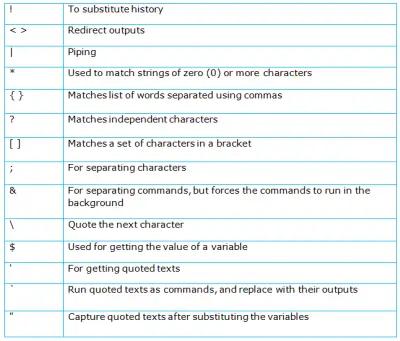
Characters used in C shell
To use any of these special characters for the C shell, you must introduce a backslash (\).
Using variables in C shell
It is important to note that there are built-in C shell variables, and these variables control the shell's behavior. These built-in variables do not require a value; they are defined using set commands without needing a value. You can also unset C shell’s variables using the built-in unset commands.
Examples:
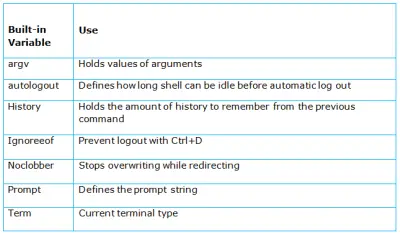
Using variables in C shell
Type the dollar sign ($) followed by the name of the variable. If it is an array, introduce brackets for subscripts, and define the number of elements you wish to collect with the form $#var2.
To check for existing variables, use $?variable. If the variable exists, the expression will evaluate to one (true); otherwise, it prints zero (false).
Integer calculations can be solved in the C shell.
Example:

Other examples of C shell variables
Set var1's value to b8:

Set the array variable var2 to x, y, and z:

If you need to get files from Linux
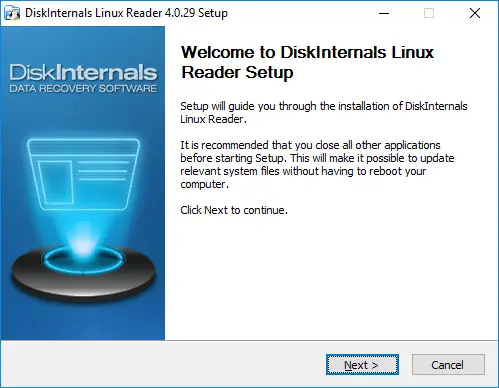
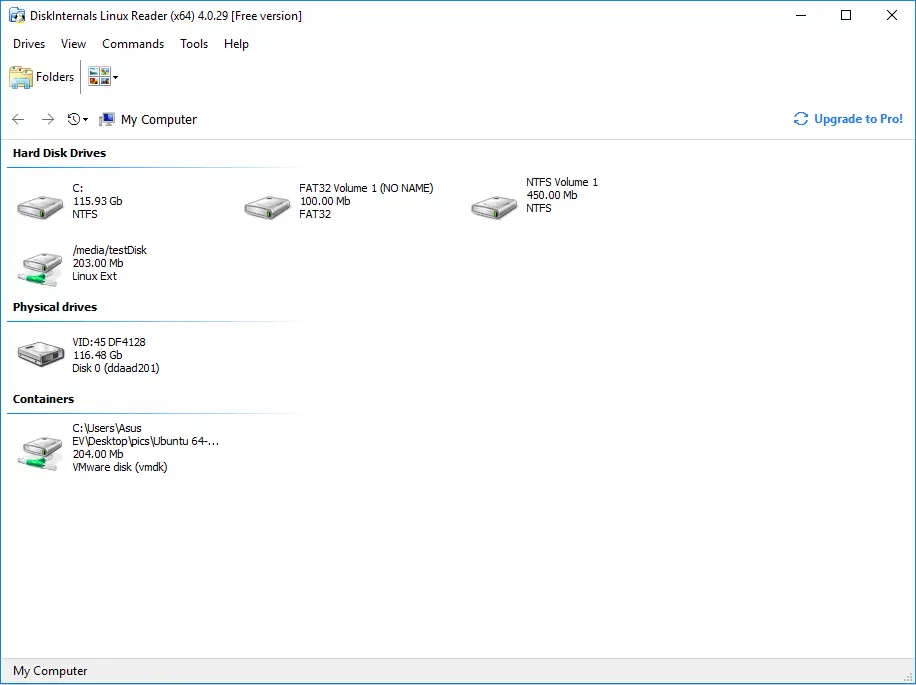
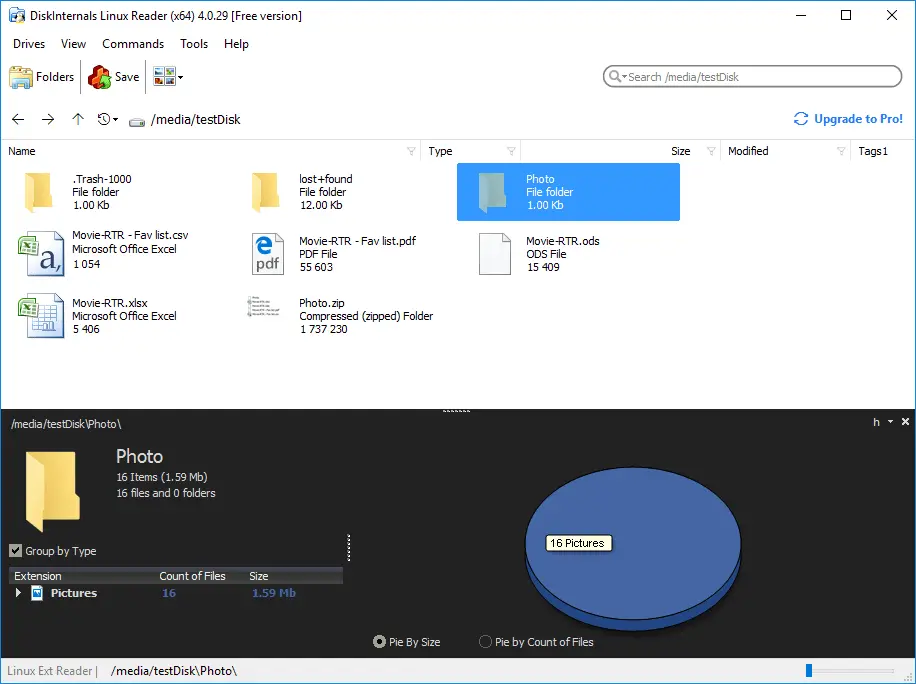
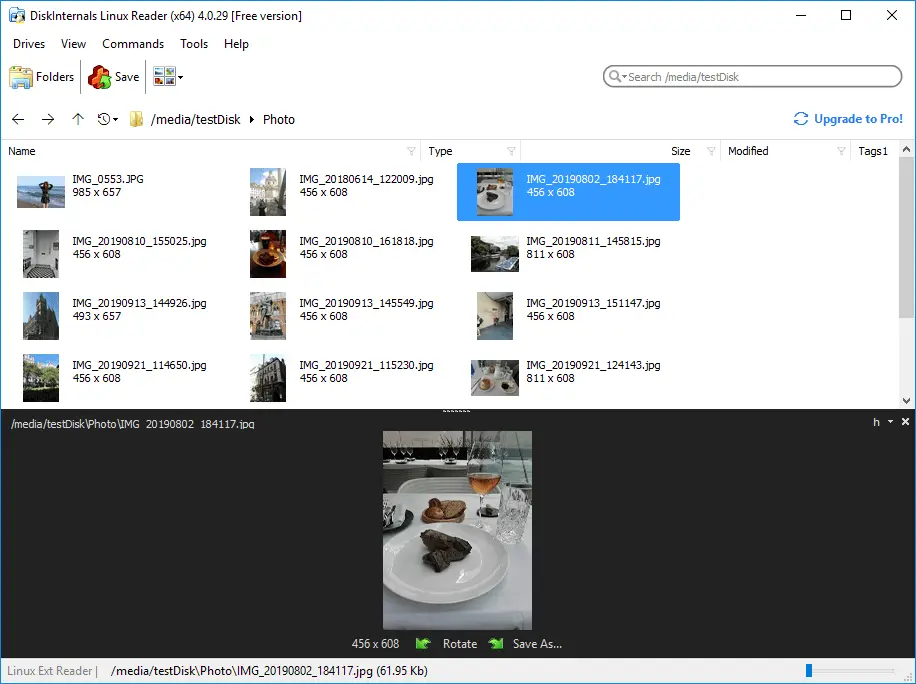
Maybe you want to get some files from Linux while working on Windows; using DiskInternals Linux Reader, it is very easy and straightforward to do. The software does not work with any algorithm, but it helps you to access all Linux partitions on a Windows computer. Interestingly, the interface is familiar if you’re a Windows user; you can easily navigate and get what you want. Also, DiskInternals Linux Reader is free to download and use. It is the best Linux reader software tool to date.
Related articles
- How to Access Linux Ext2 or Ext3 on Windows
- How to Access Ext4 from Windows
- How to Mount Ext4 on Windows for Free
- Mount Linux Drive on Windows for Free
- Bash Script: All You Need to Know
- An Algorithm: How to Create Bash While Loop
- Linux Shell: What You Need to Know at First
- How to Use Shell Script Sleep Command
- Bash: How to Check if the File Does Not Exist
- How to use bash get script directory in Linux
- 20 Examples of Bash Find Command
- Shell Script Cut: Basic You Need to Know
- Bash: How to Check if String Not Empty in Linux
- Linux: Sudo in Bash Scripts
- Linux: Bash Printf Examples
- Linux: Bash First Line
- Linux: A Bash Startup Script
- Linux: Write a Shell Script
- Shell Script: Replace String in File
- Bash and sh: is there any difference
- A Bash Dirname Command
- Linux: A Bash Source Command
- A Bash to Loop through Lines in File
- A Bash Nested Loop
- Use a Shell Script to Send an Email
- Using Bash to Write to a File
- About Bash Language
- Bash for Loop in One Line
- Learn about useful bash scripts
- About chaining bash commands
- About a bash export command
- Learn about a bash wait command
- Arch Linux install script
- About advanced bash scripting
- Learn about Korn shell scripting
- Using && in an IF statement in bash
- If you want to run shell script in background
- The disk you inserted was not readable by this computer error
- Learn about SFTP in bash scripting
- Copy command in shell scripts
- Install Oracle Database
- About a bash date command
- Guide in Pictures
- 5 Basic Shell Script Examples for Your First Script
- Bash Time Command on Linux
- How to Check Bash String Equality
- How to Use Linux Wait Command
- Bash: How to Loop Through Files in Directory
- Bash Cat Command in Examples
- Bash Script SSH: How to Use It
- Bash: A Script For User Input
- Linux ZSH: the basic you need to know
- Basic of Grep in Linux Shell Script
- Bash: how to split strings in Linux
- Hello World Script in Bash
- A Linux bin/bash Shell
- Linux: New Line in Shell Script
- Linux: Bash String Ends With
- Linux: $0 in a Shell Script
- A crontab service shell script
- A Bash Multiline Command
- Linux: A Bash Linter
- A Bash Test Command
- A Bash Status of Last Command
- Linux: A Bash Basename Command
- AWK in a Bash Script
- Learn about systemd startup script
- Learn about a bash error code
- Using a bash tee command
- To run a shell script in Dockerfile
- About a bash UNTIL loop
- Using /usr/bin/env command
- Whether bash waits for command to finish
- Using bash if 0
- Learn to run Perl script in Linux
- Examples of using the Expect
- Shell script usage
- Here is everything you need to know about Bash for Windows